
 Worksheets
Adaptations Quiz 9/4/2020
Total questions: 20
Worksheet time: 27mins
Name
Class
Date
1.

The polar bear's white fur allows it to hide in the cold arctic. This adaptation is called________________.
a)
White on white
b)
Camouflage
c)
Color matching
d)
behavioral adaptation
2.

What adaptation does this squirrel have that allows it to glide through the air?
a)
Extra skin under the arms and legs to capture air as it falls.
b)
Big ears to capture are as it falls
c)
Small eyes to see where it will land
d)
A short thin tail
3.

Most desert plants have spines. How does this adaptation help them survive in a harsh environment?
a)
The spines capture water
b)
The spines make it colder
c)
The spines will make it rain
d)
The spines will protect the plant from animals that want to eat it
4.

Birds migrate during the winter to less cold areas. What type of adaptation is this?
a)
Behavioral
b)
Physiological
5.
Define Adaptation.
a)
How an organism has NOT changed and continues to live in an environment
b)
All animals can live in any environment
c)
How an organism grows over time
d)
Special features or behaviors that allow an animal to survive in an environment.
6.
Hibernation is a ____________________ adaptation that allows animals to survive at times where food is not available.
a)
physical
b)
behavioral
7.

This stick insect is using ________________ to blend in to it's environment.
a)
air
b)
terra
c)
camouflage
d)
synthesis
8.
Anything that helps an animal survive in its environment.
a)
counter-shading
b)
mimicry
c)
adaptation
d)
camouflage
9.
When an animal looks like another animal it is called ______________.
a)
camouflage
b)
mimicry
c)
warning coloration
d)
protective resemblance
10.
Which of the following is a physical adaptation for the underlined animal?
a)
A butterfly has bright colors to warn predators that it is poisonous.
b)
A hognose snake rolls over, slows its breathing, and hangs its tongue out to play dead.
c)
A herd of buffalo encircle their young to protect them from a pack of wolves.
d)
A dung beetle rolls a piece of dung across the desert.
11.
An example of a behavioral adaptation is
a)
The long neck of a giraffe
b)
Penguins huddling together for warmth
c)
A camel's hump used to store water
d)
A polar bear's white fur used for camouflage
12.
An example of a physical adaptation is...
a)
a turtle hiding inside its shell
b)
The spikes on a porcupine fish
c)
a rabbit burrowing underground
d)
a viper biting when threatened
13.
Over time all animals (and plants) develop adaptations that help them ____________________.
a)
develop new adaptations
b)
thrive and survive
c)
change the way they interact with their environment
d)
change their behaviors
14.
Some adaptations are structural. They are changes in the organism's _____________________.
a)
behaviors
b)
behavioral adapations
c)
structural adaptations
d)
physical makeup
15.
All are an example of Natural Selection Except...
a)
the dark colored frogs out last the light colored frogs
b)
selecting two chickens to make more big chickens
c)
the brown moths were able to create more offspring because they were able to hide
d)
The colorful fish are able to pass off their variation to their offspring to survive
16.
Differences in traits are called:
a)
natural selection
b)
genetic variations
c)
artificial selection
d)
adaptations
17.
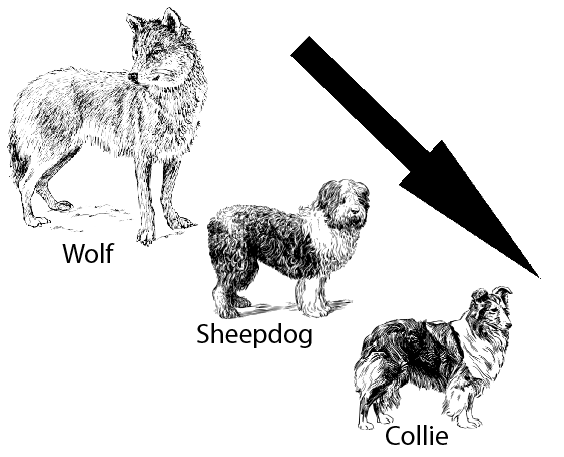
Gradualism means Natural Selection would normally happen over many generations and very
a)
slowly
b)
quickly
c)
in space
d)
beyond time
18.
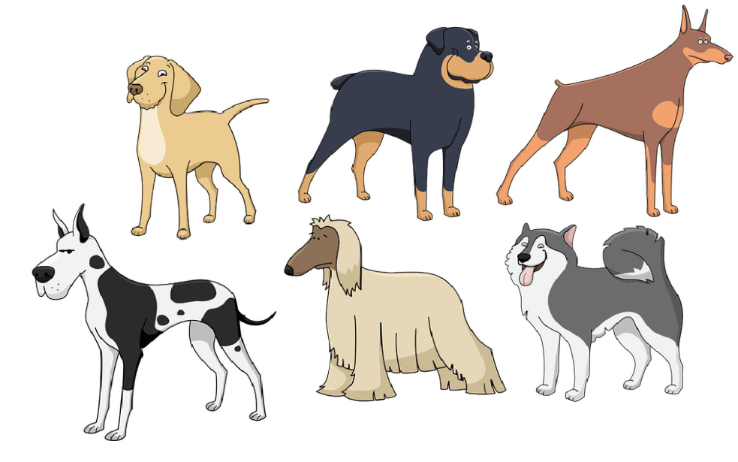
Genetic diversity in a species makes long term survival of some members
a)
impossible
b)
improvable
c)
more likely
d)
less likely
19.
Why do peppered moths tend to be the same color as the trees on which they live?
a)
The coloring goes along with tasting like the tree.
b)
It keeps the moth the same temperature as the tree.
c)
It makes the moths faster than the birds
d)
It makes the moths harder to see.
20.
Humans have been a very successful species on earth. They have very large, very diverse populations spread all around the world. As a result,
a)
Human have very limited ability to adapt to changes in the environment.
b)
Young humans have lower survival rates as compared to other species.
c)
Humans have a potential to adapt to various environmental changes.
d)
All humans are more disease resistant.
100 %

