
 Worksheets
Unit 1 Review
Total questions: 27
Worksheet time: 18mins
Order from smallest to largest
systems, organs, tissues, cells
tissues, cells, organs, system
cells, organs, tissues, system
cells, tissues, organs, systems

Which image represents the Circulatory System?
2
3
4
5
What is a connection between the circulatory system and the respiratory system?
gas exchange occurs between the capillaries and the alveoli
the heart pumps blood through the pulmonary circuit
the heart pumps blood through the systemic circuit.
both 1 and 2
What occurs in the capillaries?
diseases are cured
red blood cells are created
the exchange of gas and nutrients
white blood cells are created
Which of the following is NOT a function of the circulatory system?
circulate blood
regulate calcium production
carry nutrients and hormones through blood stream
deliver oxygen to tissues
What would happen if your arteries cannot deliver blood?
your tissues would not get the oxygen they need
the skin would be extra hairy
the heart would not work
you would immediately fall asleep

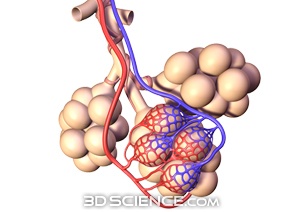
All the following are characteristics of alveoli EXCEPT
moist, thin membranes
where gas exchange occurs
small surface area
many surrounding capillaries

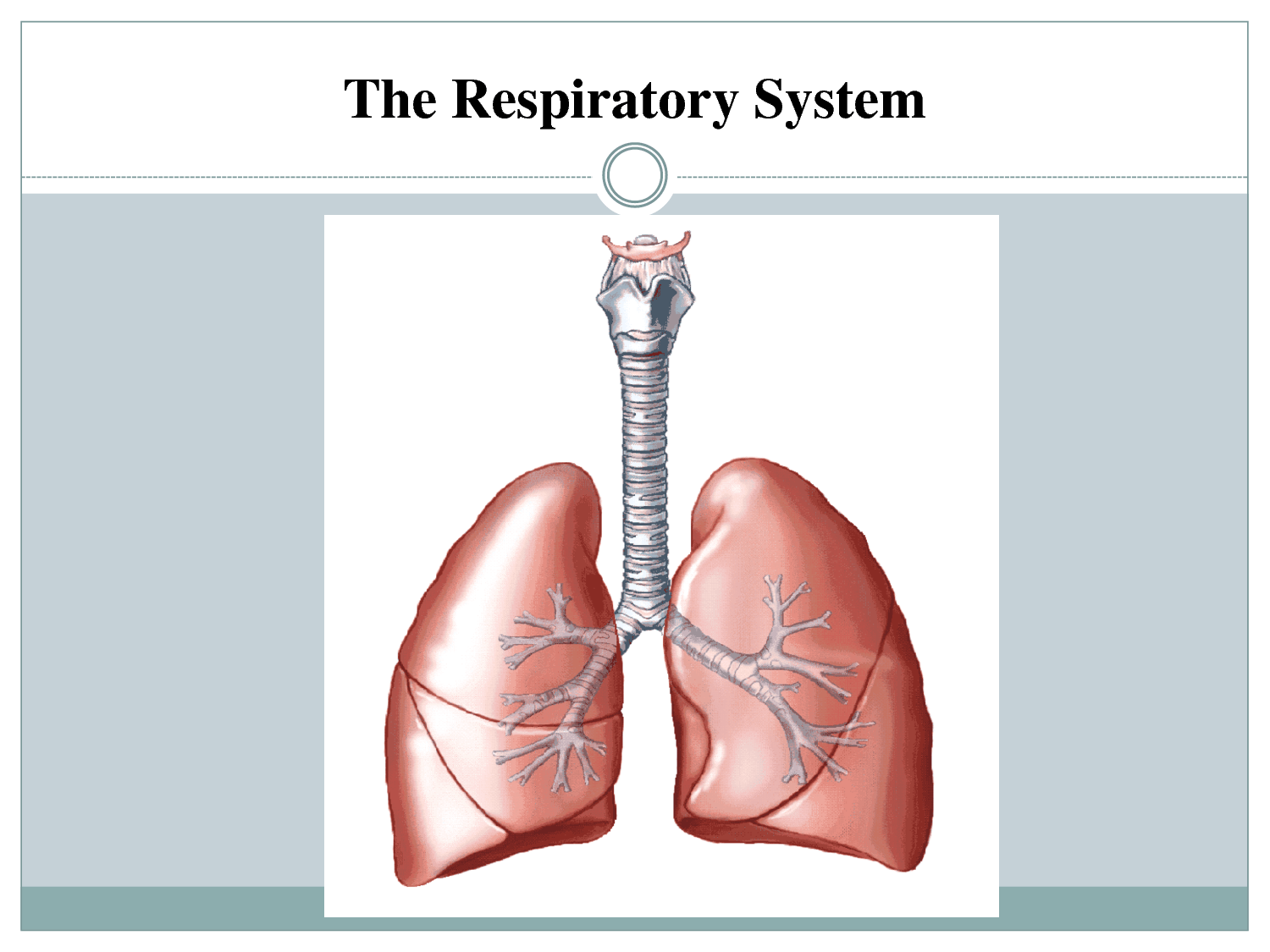
Flap of tissue that covers the opening to the windpipe during swallowing
Pharynx
Trachea
Epiglottis
Describe the connection between the systemic circuit and the pulmonary circuit?
oxygenated blood is transported from the lungs to the heart via pulmonary arteries in the pulmonary circuit.
oxygenated blood is transported from the lungs to the heart via pulmonary veins in the pulmonary circuit.
deoxygenated blood is transported from the heart to the lungs via veins
all of the above

Peristalysis begins at the ____________ and ends at the _________.
esophagus; small intestine
mouth; stomach
gall bladder; liver
esophagus; large intestine


Digestion starts in the ...
stomach.
esophagus.
epiglottis
mouth.
What is the process of wave-like muscle contractions that moves food through the digestive tract?
Pericardium
Peristalsis
Pepsin
Pericoronitis

Villi are characterized by all the following EXCEPT
thin walls
where gas exchange occurs
where diffusion of nutrients into capillaries occurs
large surface area
Which of the following problems can cause kidney damage?
Diabetes
High blood pressure
High blood glucose
all of the above

Which is not a function of the urinary system?
filtration
waste storage and removal
homeostasis maintenance
hormone production
How does the food we eat affect urination?
Too much sodium (salt) causes us to urinate more; too much glucose causes us to urinate less.
Too much sodium causes us to urinate less; too much caffeine causes us to urinate more.
Too much sugar causes us to urinate more; too much salt causes us to urinate less.
None of the above
Which of the following is a benefit of Intermittent Fasting?
lowers blood sugar and cholesterol levels
lowers food cravings and boosts growth hormone levels
lowers the risk of cancer and Parkinson's disease
All of the above are benefits

