
 Worksheets
Unit 1- The Gilded Age
Total questions: 33
Worksheet time: 17mins
Who owned Standard Oil and is considered the wealthiest American of all time?
John D. Rockefeller
Andrew Carnegie
Samuel Gompers
JP Morgan
A person who has become rich through ruthless and unscrupulous business practices such as Vanderbilt and Carnegie was called a ?
Robber Baron
Slum Lord
Proprietor
Land Lord
Which word means a complete ownership or control of the entire supply of goods or a service in a certain market?
monopoly
industry
colony
philanthropy
A Scottish immigrant who led the enormous expansion of the steel industry.
Andrew Carnegie
John D. Rockefeller
J.P. Morgan
Cornelius Vanderbilt
During the late 19th century, most immigrants to the U.S. found work as ?
Educated professionals
Factory workers
Scientists
Lawyers
Which island did European immigrants register to live in in the U.S.?
Ellis
Angel
Galveston
Long
Rockefeller made his own barrels for the oil he mined. This is an example of getting rich by _________________ integration.
vertical
horizontal
parallel
bi-lateral

This picture represents the idea of ?
Nativism
Melting Pot
Reservations
Globalism

What idea does this image represent?
Slums
Melting Pot
Racism
Chocolate Fondue
During the Gilded Age, more people were moving to the ___________ than ever before.
cities
farms

A person who seeks to promote the welfare of others, especially by the generous donation of money to good causes
Philanthropists
Entrepreneur
Good person
Tycoon

_____________________ gave awareness to the increase in difference between poor and rich in the country
Populist Party
Big Business
Labor Unions
Political Bosses
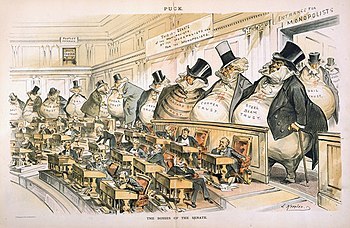
Big Business, Westward Expansion, bad working conditions, political machines, and immigration were issues of what time period in the U.S
Gilded Age
Progressive Era
Building an Empire
Civil Rights and the 60's

____________________ gained power by providing immigrants with services.
Political Machines
Big Business
Labor Unions
Andrew Carnegie

____________________ were culprits of beginning monopolies (trusts) during the Gilded Age.
Big Business
Immigrants
Political Bosses
Natives

When arriving to the U.S, ________________ experienced unhealthy living conditions.
immigrants
settlers in the west
Germans
children

Americans who disliked immigrants were called-
nativists
deplorables
The KKK
The T.E.A Party
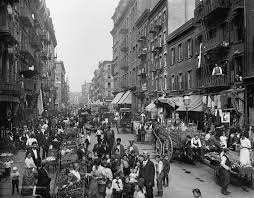
Congested, overcrowded, and pollution were some problems due to-
Urbanization
Westward Expansion
The Klondike Gold Rush
The Transcontinental Railroad

The Chinese Exclusion Act was passed due to-
low wages & unemployment in the West Coast
low wages & unemployment in the South
plenty of jobs and high wages in the country
plenty of jobs and high wages in the West coast

Sped up the production of steel
Bessemer Process
Atkins Reaper
Barbed Wire
The Transcontinental Railroad

What was the most likely result of the publication of images such as this 1906 political cartoon?
The government passed the Sherman Antitrust Act.
Private companies refused to import foreign foods.
The government passed the Pure Food and Drug Act.
Labor unions protested unsafe working conditions.
The Knights of Labor and the American Federation of Labor developed in response to the —
increased need to protect worker interests
decreased power of political machines
increased demand for skilled workers
decreased profitability of the agricultural sector
How did the 19th Amendment expand the democratic process?
By prohibiting discrimination in voting on the basis of race
By eliminating the poll tax
By prohibiting discrimination in voting on the basis of gender
By lowering the voting age
Which groups were most influential in passing the Pure Food and Drug Act?
Southern farmers and clergy members
Factory owners and bankers
Muckrakers and women’s organizations
College students and immigrants
Many Progressives opposed social Darwinism because it promoted the idea that —
people in lower classes were not capable of economic success
immigration weakened national unity
the government should take responsibility for the well-being of people
poverty could be eradicated through increased economic regulation
Which of the following occurred as a result of the Sherman Antitrust Act?
Workers secured a greater share of company profits.
The influence of labor unions on factory owners was reduced.
The federal government could dissolve business monopolies.
Businesses were required to pay fees to open overseas locations.
How did the publication of Upton Sinclair’s The Jungle contribute to a change in the relationship between government and business?
Federal troops were mobilized to break strikes by labor unions.
Government regulations requiring the inspection of food products were implemented.
Congress created a regulatory agency to audit railroads.
Laws were enacted that banned private companies from discriminating when hiring.
What did the 17th amendment do?
Income taxes
Gave all men the right to vote
Direct election of senators
Single term for president
What is a muckraker?
A city official who is corrupt
A gardener who gets muddy
A citizen who gets petitions signed
A journalist who uncovers wrongdoing

