
Font size
 Worksheets
Core Knowledge 6 - Deserts A
Total questions: 17
Worksheet time: 8mins
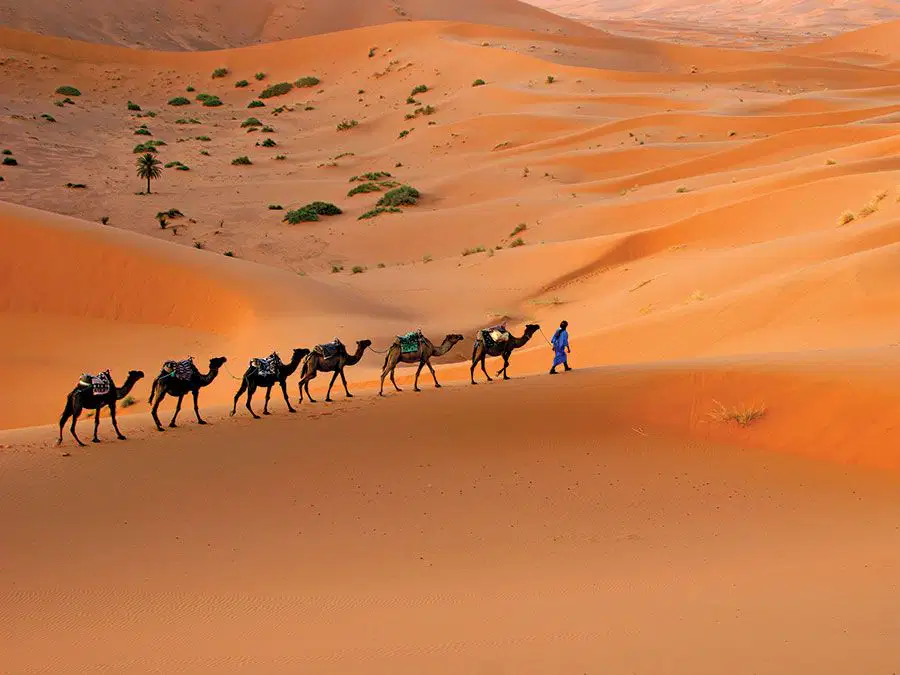
What is a desert?
a place that is very hot
a place that is very sandy
a place that is very dry
a place that is very empty

Imagine you are a scientist studying deserts. What is one thing that "hot" and "cold" deserts have in common?
All the land you study is made of sand.
Underground water in these deserts filters impurities.
There is a dramatic change between day and night temperatures in both types of deserts.
Both types of deserts get regular, predictable periods of rainfall.
Which kind of plant is well adapted to living in the desert?
cactus
moss
elm tree
prairie grass

An example of a nocturnal desert animal is a lizard
True
False

When a polar bear changes its behavior to survive in the Arctic environment, it
dies.
adapts.
grows.
regulates.

A desert location with plentiful drinking water is called
an oasis.
a caravan.
an avalanche.
a dune.
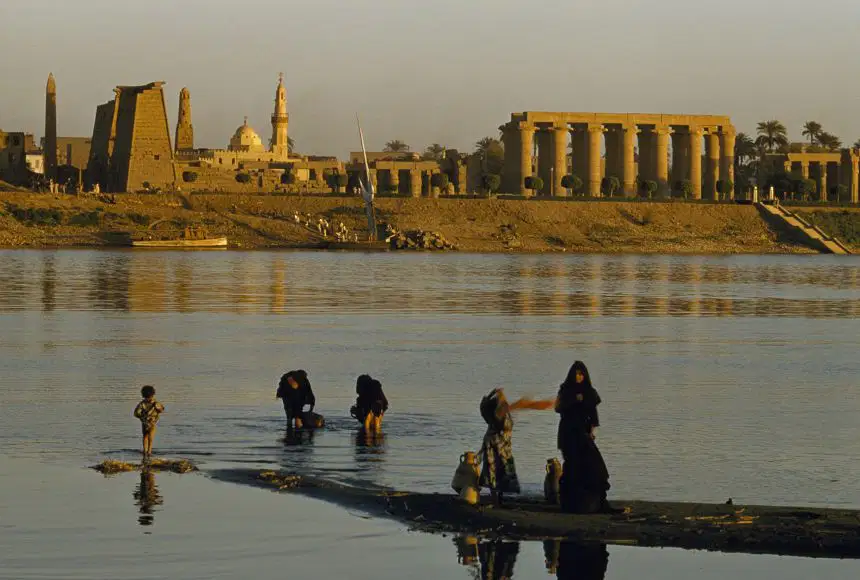
The Nile river runs through the Sahara.
True
False

The Sahara is known for
the large dinosaur fossils that have been discovered there.
being the only place in the world that the Joshua tree is found.
having no permanent water sources.
its extensive salt mines and camel caravans.

Imagine you are a wildlife enthusiast and you are planning a trip to the Kalahari Desert. What can you expect to find there?
Almost no plant or animal life.
A game reserve with a variety of plants and wild animals.
It is located in Asia.
It is where Aborigines have lived for thousands of years.

During a survival expedition in the Kalahari Desert, John found an eggshell. He remembered that the San people used a certain bird's eggshell to store water. Which bird's eggshell was it?
owl
ostrich
chicken
penguin

The Aborigines have survived in Australia because they
adapted to their environment closely over thousands of years.
got help from the Europeans who arrived on their land.
abandoned their traditional ways for more modern ones.
hunted roadrunners and guanaco.
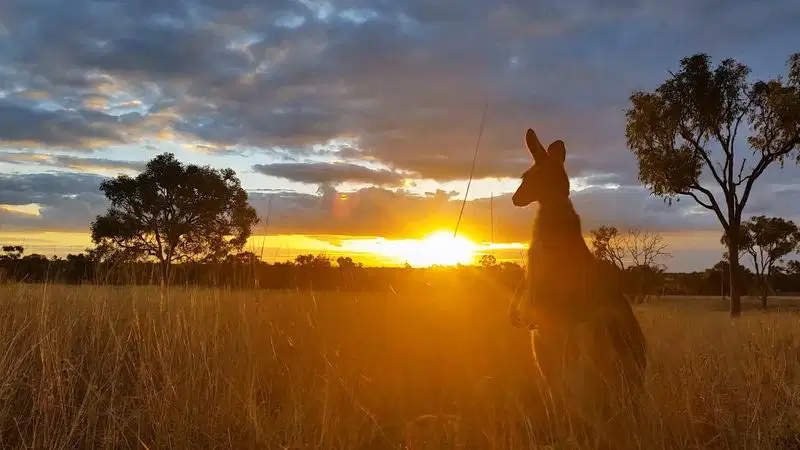
The interior, mostly desert, part of Australia is called (a) .

While visiting Australia, you come across an animal carrying its young one in a pouch. This animal is known as a
mammal
marsupial
rodent
carnivore
Imagine you are studying the culture of Aborigines. You come across the term 'songlines'. What does it refer to?
the lyrics of the Australian national anthem.
the sounds that ostriches in Australia make to warn of danger.
the maps of their world that Aborigines pass on by word of mouth.
the roads through the Australian desert that produce a whistling sound due to the wind.

In the context of Australian indigenous culture, what does the term "dreamtime" refer to?
a period dedicated to sleep
a period that follows another period
a period designated for dreaming
a period that existed before all other periods

What is the interior, mostly desert, part of Australia called?
The Empty Quarter
the tableland
a billabong
the Outback
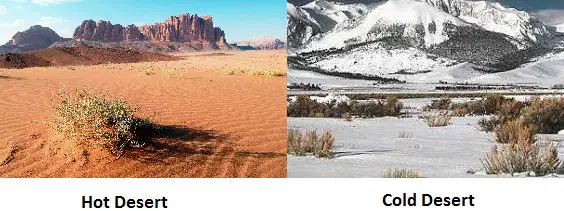
Do you know some of the similarities and / or differences between a hot and a cold desert and are you able to write a short paragraph about this information?
Yes
No

