
 Worksheets
Properties of Water (and chemistry)
Total questions: 15
Worksheet time: 30mins
What is the name of the type of bond that connects the hydrogen and oxygen in a water molecule?
polar covalent bond
nonpolar covalent bond
ionic bond
hydrophobic interaction
Which of the following elements make up 96% of living things.
water and carbon
carbon, hydrogen, oxygen, sodium
carbon, hydrogen, oxygen, nitrogen
nitrogen, potassium, phosphate
The physical property of water, resulting from hydrogen bonding, that allows water molecules to stick to each other is referred to as:
Cohesion
Adhesion
Homeostasis
Capillary Action
The physical property of water that allows it to stick to ther polar substances is referred to as:
Cohesion
Adhesion
Van der Waals Forces
Ionic bonding
On the pH scale, acids have values ranging from 0 to
less than 7
less than 5
14
1


As you add drops of water to the surface of a coin, each drop sticks to the other water droplet because of ________________, and sticks to the penny because of ______________.
adhesion, cohesion
cohesion, adhesion
capillary action, specific heat
specific heat, capillary action

Water travels up from the roots of a tree to the top because of...
capillary action (adhesion and cohesion)
surface tension
specific heat capacity
density of water compared to ice
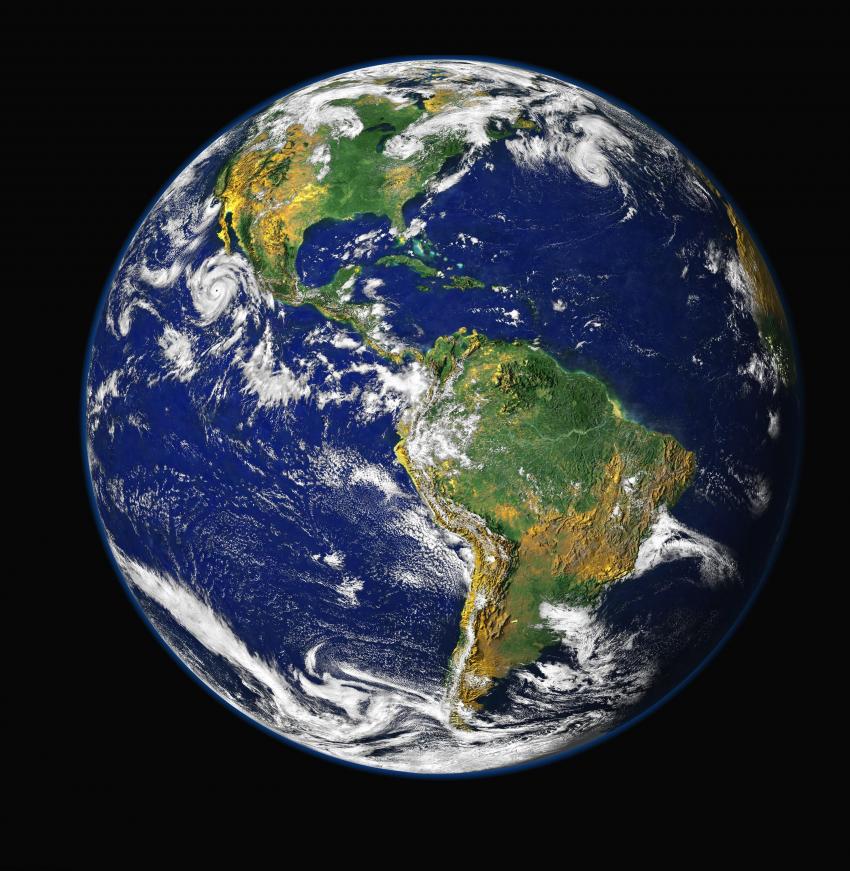
What property of water helps to moderate earth's temperature?
adhesion
cohesion
Specific heat capacity
Latent heat of vaporization
Which of the following types of bonds transfers an electron between atoms?
covalent bond
hydrogen bond
hydrophobic bond
ionic bond
___ bonds are formed through the sharing of electrons while ___ bonds are formed through the transfer of electrons.
covalent, ionic
ionic, covalent
covalent, hydrogen,
hydrogen, ionic

