Worksheets
Macromolecules and Enzymes
Total questions: 36
Worksheet time: 1hrs 4mins
Type of protein that SPEEDS UP metabolic reactions in plants and animals without being permanently changed or destroyed
The reactant
Glucose
Enzyme
ATP
Changing the shape (such as overheating) of an enzyme results in the enzyme's loss of -
ability to catalyze a reaction
storage of inherited information
net electrical charge
storage of a large amount of chemical energy

Refer to the figure above. What temperature would be considered the optimum temperature for this enzyme's activity rate?
20 Degrees Celsius
60 Degrees Celsius
40 Degrees Celsius
30 Degrees Celsius
What suffix is used in the names of most enzymes?
-nic
-ase
-gen
-yme
Both lipids and carbohydrates are important in animal cells because both -
provide insulation
store energy
contain nitrogen
form cell walls

Which of the following macromolecules are a prominent part of animal tissues that function in insulation, helping animals conserve heat?
Proteins
Lipids
Carbohydrates
Nucleic Acids
Which of the following is NOT a function of proteins?
Make up antibodies
Serve as catalysts that control the rate of chemical reactions in the cell
Store genetic information
Form parts of tissues such as bone and muscle
What is an example of a nucleic acid?
A strand of DNA
Vegetable oil
Collagen found in human skin
A sweet potato
Which of the following effect the efficiency of an enzyme
temperature
pH
amount of enzyme
All of the above
Proteins are formed from monomers (subunits) called -
nucleic acids
fatty acids
nucleotides
amino acids
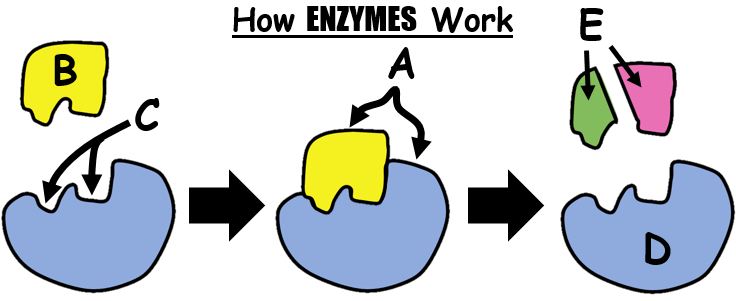
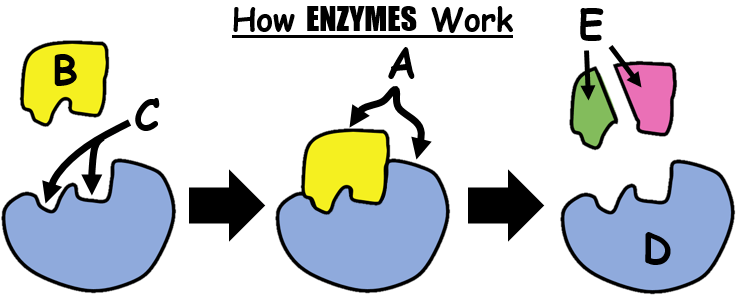
Enzymes only work with specific substrates because each substrate -
actively interferes with other substrates around it
destroys its specific enzyme
can only use a specific ionic bond with the enzyme
has a specific activation site for enzyme attachment

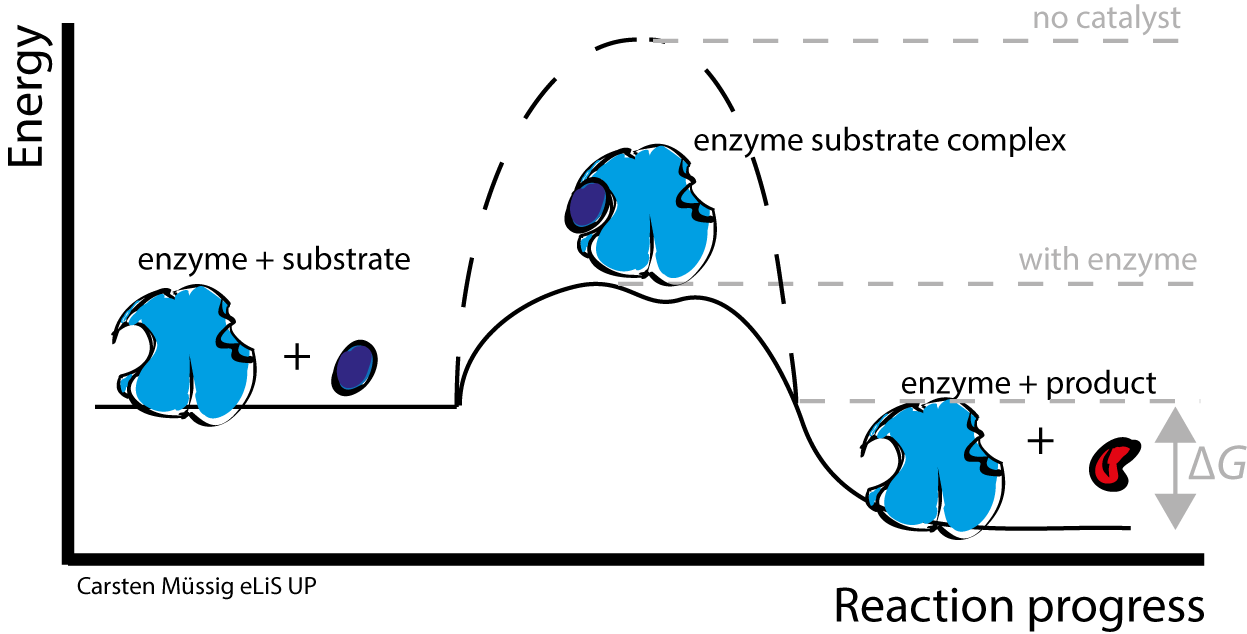
According to the graph, addition of the enzyme amylase causes the reaction to -
slow down
speed up
take in heat
give off heat
Carbohydrates are formed from monomers (subunits) called -
monosaccharides
nucleotides
fatty acids
amino acids
Lipids are formed from monomers (subunits) called -
fatty acids
nucleic acids
amino acids
monosaccharides
Nucleic acids are formed from monomers (subunits) called -
nucleotides
amino acids
fatty acids
monosaccharides
Sugar belongs to which class of macromolecules?
proteins
lipids
nucleic acids
carbohydrates

Which macromolecule is shown?
lipid
protein
nucleic acid
carbohydrate

Which macromolecule is shown?
lipid
protein
nucleic acid
carbohydrate



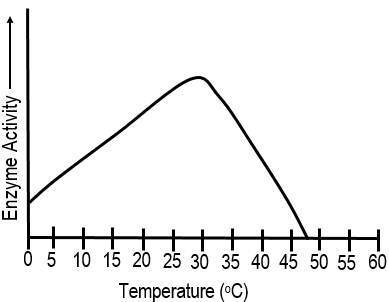
Based on the graph, what temperature does this enzyme work best?
15 C
40 C
30 C
50 C