
NEW
Font size
 Worksheets
Weathering, Erosion, and Deposition Review
Total questions: 20
Worksheet time: 12mins

What type of weathering is the physical breakdown or dissolving of rocks?
Chemical
Mechanical
Biological

What type of weathering is changing the composition of the rock or mineral?
Chemical
Mechanical
Biological

The movement of ________ is a major agent of erosion along streams, rivers, beaches, and underground.
Gravity
Ice
Water
Wind

Sara blew through a straw and directed her breath at a pan of sand. The sand began to move. She is showing how the ______ erodes the land.
Ice
Gravity
Water
Wind

Landslides and mudslides are an example of erosion by ________.
Gravity
Ice
Water
Wind

The process where glaciers erode an area over a long period of time is ______ erosion.
Gravity
Ice
Water
Wind

________ is the breaking down or dissolving of rocks.
Deposition
Erosion
Weathering

______ is the laying down or settling of eroded material.
Deposition
Erosion
Weathering

______ is the process that involves moving bits of rocks or soil from one place to another.
Deposition
Erosion
Weathering
Landslides, rockfalls, and mudslides are responsible for both erosion and deposition. What force is mainly responsible for the erosion and deposition that happens in landslides, rockfalls, and mudslides?
A. ice
B. wind
C. gravity
D. temperature

How can a glacier affect land in a valley?
the glacier can erode rock and soil and deposit it somewhere else
the glacier probably melted and then flooded the valley
the glacier brought seeds with it so new trees could grow
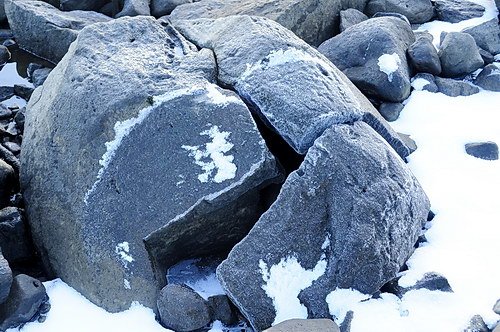


How are sand dunes created?
rain weathering
water erosion
wind depositing the sediments
water deposition

A delta is an example of
Erosion
Weathering
Sediment
Deposition
Waves and currents help to form beaches.
True
False
Chemical weathering is NOT caused by
abrasion
carbonation
hydrolysis
oxidation
Physical weathering is NOT caused by
abrasion
burrowing
ice wedging
oxidation

