
 Worksheets
Safety in the Kitchen Test
Total questions: 50
Worksheet time: 44mins


A knife is more likely to slip and cut you if it's dull.
True
False
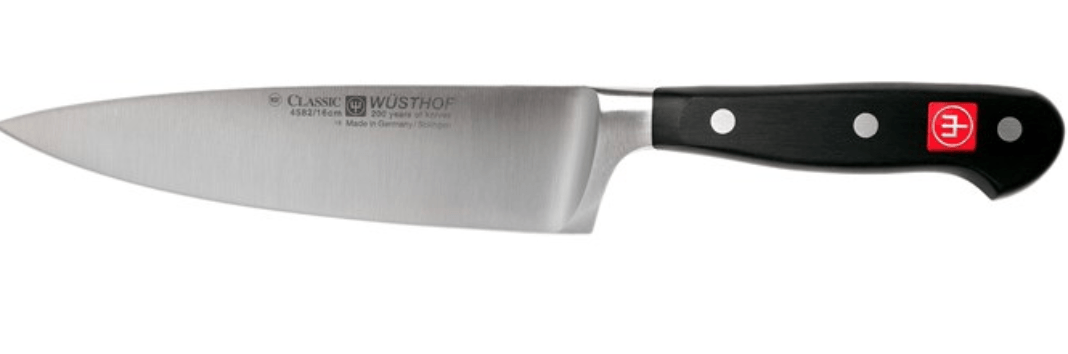
Chef's Knives are mostly used for..
slicing tomatoes and soft foods
Chopping, Dicing, and mincing
Small items like fruits and vegetables
removing bones from fish
A _____ knife is a safe knife.
Dull
Small
Large
Sharp
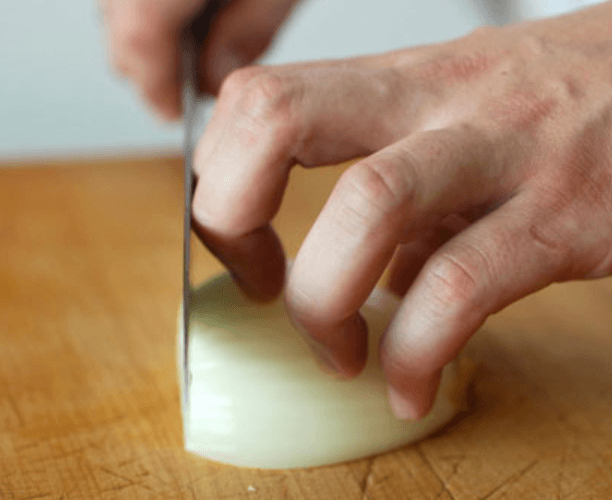
use the _________ technique to protect fingers while cutting foods.
Claw grip
flat fingers
Nuckle grip
Palm grip
How should you cut food that is round?
slice food in half to get a flat edge
slice off thin section so food sits flat and stable on the cutting board
balance the knife carefully on top and start cutting
hold the knife near the blade and cut the food in half
How do you walk safely with a knife?
hold knife facing out and on a slight angle
hold knife facing up with the blade on a slight angle
hold knife facing down and on a slight angle
hold knife by the blade and on a slight angle

What do the three A's stand for?
Attempt, Action, Assist
Activate, Answer, Alarm
Assist, Attempt, Active
Activate, Assist, Attempt
Young workers can exercise workplace safety rights and file a confidential complaint with OSHA if they find the environment hazardous, and the employer neglects safety and OSHA standards.
False
True

What should you not put in the microwave ever?
Microwave safe dishes
Metal
Aluminium Foil
How often should a fire extinguisher be checked?
Weekly
Daily
Monthly
Hourly
What 4 things does a fire need to burn?
Oxygen, Fuel, Heat, Chemical Reaction
Oxygen, Fuel, Gasoline, Flames
Heat, Chemical Reaction, Oxygen, Fire starter
Fuel, Heat, Carbon Dioxide, Propane
What is the correct fire extinguisher to use on a kitchen grease or oil fire?
Dry Chemical
Wet Chemical
Clean Agent
Water & Foam

Which of the following cause slips, trips and falls in the workplace?
Wearing incorrect footwear
Keeping cables neat and tidy
Poor design of workplaces
Being careful at work
Cleaning up leaks and spills are helpful
True
False
What class fire is a wood, paper and trash fire?
A
B
C
K
Prevention of illness through cleanliness and food safety
Food Safety
Contaminants
Sanitation
Bacteria
When working around food, what should you do if you have a cut or wound on your hand?
wash the wound with soap and water
wear a Band-Aid on the wound
wear gloves
all of the above
Which age group is injured at work most often?
Very old workers
Younger workers
Age doesn’t matter
What is the most effective way to prevent slips, trips, and falls in a retail workplace?
Making sure workers are properly trained
Complying with safety standards
Maintaining a tidy environment
Reporting any unsafe activities
What should a retail worker do if they see a slippery surface or wet floor?
Alert the supervisor
Mark the area with a sign
Wait for someone to clean it up
Walk around it
MSDS sheets contain the following information:
Product identity
Hazardous ingredients and exposure limits
Chemical characteristics
Fire and explosion information
All answers are correct
What occupations are prohibited for people under 18?
Manufacturing or storing of explosives
Using power driven machines for baking, meat processing, metal forming, or punching
Trenching or excavating
All of these
Mis en place is another way of saying
Safety first
Everything in its place
Store foods properly
Cook Thoroughly
Use water to put out a grease fire
True
False
It is safe to soak knifes in soapy dish water in the sink
True
False
You should wash your hands before going in the kitchen.
true
false
What should you wear while putting something in the oven?
nothing
oven mitts
oven mutts
plastic
It is alright to use a knife if you do not have a can opener.
True
False
The primary risk associated with transporting ice in containers originally used to store chemicals is that they
are extremely heavy and difficult to transport when full of ice
are not self draining and promote biological contamination
may still have residue after they have been cleaned
The third compartment in a three compartment sink is for
rinsing
sanitizing
cleaning
Why is kitchen safety important?
Spatulas have sharp edges.
Turners are hard to use.
It makes us learn about dangers of kitchens.

