
 Worksheets
Abiotic Biotic Resources Competition
Total questions: 23
Worksheet time: 30mins
All the populations living in the same place create a? (pg. 404)
community
resource
ecosystem
habitat
________ is all the members of a species that live in an ecosystem.
population
community
habitat
ecosystem
humans are biotic factors.
true
false

An individual living things,such as animals or a plants,is called an
Animal
plant
Organism
Nutrition


Hawks and owls eat the same type of food and struggle with one another to get their food. What is this an example of?
Competition
Biotic factor
Symbiosis
Population

A source or supply from which benefits are produced.
Resources
Sam's Club
Dependent Interaction
Symbiosis
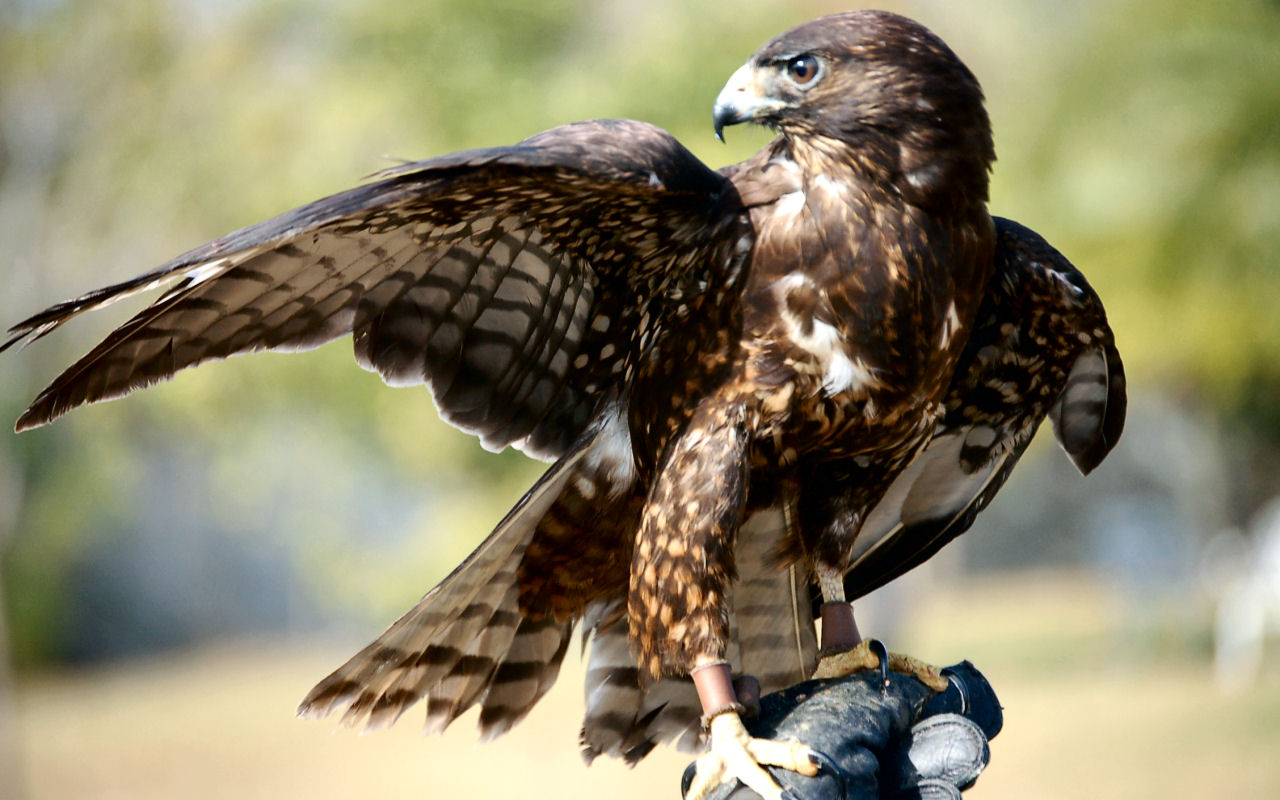
Hawks and brown bears live together in the same habitat. There will be competition between the hawks and the brown bears only if which of the following is true?
Brown bears hibernate during the winter while hawks remain active.
Pesticides in the fish population affect hawks’ eggs and decrease their population.
Both brown bears and hawks feed on the same species of fish.
Both Shanna and Savanna feed on the same species of snakes.

A student wants to investigate competition between two organisms. For the investigation, it is most important that the student should choose organisms that –
reproduce at a faster rate.
are both active during the night.
have the different adaptations.
require the same resources.
The milkweed plant serves an important role in the life cycle of the monarch butterfly. Adult monarchs lay their eggs on milkweed, and then caterpillars eat that same plant during their development. Based on the relationship between monarchs and milkweed, which of the following trends would be predicted when looking at data on the populations of these two organisms?
A decrease in the milkweed population will cause a decrease in the monarch butterfly population.
When the milkweed population decreases, the monarch butterfly population stays the same.
A decrease in the milkweed population will cause the monarch population to increase.
When the monarch population increases, the milkweed population stays the same.
Two species of fish live in the same pond. Which of the following would increase competition between these two species of fish?
Habitat temperature increases.
Population of birds that eat the fish increases.
Number of food plants the fish eat increases.
Water level in the pond decreases.
Which of the following lists contains only abiotic factors?
water, air, temperature
grass, air, people
trees, fish, polar bears
grass, water, sand

