
 Worksheets
Water Use and Management
Total questions: 20
Worksheet time: 10mins
Often water must be treated to become _______, safe to drink
pathogen
potable
clarified
bonifide
Which of the following is NOT a residential use of water>
cooking and drinking
washing dishes and clothes
washing cars and watering the lawn
watering the crops
showers and toilets
What is the best way to CONSERVE water use in an agricultural setting...
low flow toilets
reuse cooling water
drip irrigation
high power overhead irrigation
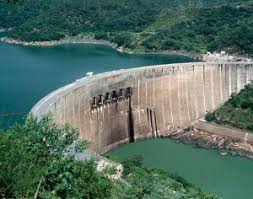
The image here is how humans control rivers for the last few hundred years. This is
diverting water thru canels
create an aquaduct
damming a river
desalination plant
Fluoride may be added in...
coagulation.
additional treatment.
second filtration.
aeration.
Which of the following is a disadvantage of dams and reservoirs?
man made lakes used for drinking water, recreation and industry
hydroelectric power
existing ecosystems changed, displacing species and humans
flood control
While expensive and inefficient now, the removal of salt from ocean water may help create more potable water in the future
water transport
towing icebergs
desalination plants
xeriscaping
Many areas of the world without adequate fresh water have become habitable because:
water conservation has been implemented.
icebergs have been towed in to provide fresh water.
water management projects have diverted water to the area.
rainfall patterns have changed.
Layers of sand, gravel, and hard coal remove impurities in...
coagulation.
first filtration.
second filtration.
chlorination.
The largest single use of water for industrial purposes is for
canning and food processing.
cooling.
power production.
washing produce in food processing industries.
This step removes odors and improves taste.
coagulation
first filtration
second filtration
aeration
In general, water use worldwide is dominated by
Agricultural use
Domestic needs
Industrial activities
All of these are sectors that use water about equally
Process used in water treatment process where chemicals like alum is added to water causing flocs- globs of trash that pathogens stick to.
filtration
chlorination
coagulation
bioreactors
Conserving water for residential use would involve
xeriscaping
drip irrigation
reusing cooling water
manufacturing goods
What percent of water is used for industrial use?
5%
19%
40%
67%
The step that prevents bacterial growth is...
coagulation.
additional treatment.
second filtration.
chlorination.
What provides crops with water from sources other than direct precipitation?
Aeration
Irrigation
Coagulation
Xeriscaping
What percent of water is used for Agricultural use?
5%
19%
40%
67%
Large trash items are removed in...
coagulation.
first filtration.
second filtration.
aeration.
A reservoir is...
a place where seawater is stored for desalination.
an artificial lake formed in front of a dam.
the place where all the toilet paper is hoarded.
an artificial lake formed behind a dam.

