
 Worksheets
Unit 2 & 3 Test Review
Total questions: 97
Worksheet time: 1hrs 3mins
A decade is a period of time that lasts _______.
10 years
20 years
100 years
1,000 years
Which is an example of an artifact?
a book about ancient history
a map of an archaeological dig
a description of an extinct species
a weapon from a culture of long ago
An archaeologist studies the past by looking at what people left behind.
True
False
An example of a secondary source is ______.
a diary
a letter
a government document
an encyclopedia
An example of a primary source is a ______.
history book
textbook
diary entry
biography
A historian uses information from primary sources to draw conclusions.
True
False
When you make an inference, you ______.
read many opinions about a subject
read only primary sources about an event
rely on your own experiences in your life
use trustworthy sources to make a judgment about an event
A primary source is more likely to be written from a biased point of view than a secondary source.
True
False
Which of the following is most likely a trustworthy source?
a blog about life in medieval Japan
a Web site called “Medieval Japan Fans”
an academic journal article about medieval Japan
a novel that takes place in medieval Japan
Which comes first? 500 CE or 1000 BCE?
500 CE
1000 BCE
Neither one.
The Paleolithic people had to go from place to place to find food. This is why they were known as (pick one answer)
gatherers
hunters
nomads
Where did early humans first live?
Early humans probably lived in Africa
Early humans probably lived in North America
Early humans probably lived in Asia
What types of homes did early humans live in?
Early humans lived in new, modern apartments
Early humans camped outside under trees
Early humans lived in caves, or shelters such as animal skin tents
Finish this sentence: Early humans ______ ________ ____ ______
stayed in one place
moved around a lot
took long vacations
How did early humans eat?
Early humans didn't eat so they starved
Early humans hunted animals, caught fish, and gathered plants for food
Early humans were Nomadic...that means:
Early humans moved from place to place so they could hunt and find plants
Early humans stayed in one place and grew their own food
Early humans lived in Nome, Alaska
What happened during the Ice Age?
Early humans didn't move...they started farming in greenhouses
Early humans built a lot of snowmen!
Early humans and animals moved to warmer climates

What does prehistory mean?
The time period before writing/recording of events.
Previous history.
1. What did the Neolithic Revolution bring about?
a. Storms
b. Drought
c. Agriculture
Which of the following describes agriculture?
growing crops and raising animals
gathering plants and hunting animals
moving to another place to find plants
developing skill with a spear
Which of the following was an immediate effect of the development of agriculture?
People learned how to make tools from stone.
People learned new ways of hunting wild animals.
People had some control over their food supply.
People ran out of food when they stayed in one place.
Which of the following was an immediate effect of the development of agriculture?
People learned how to make tools from stone.
People had some control over their food supply.
People ran out of food when they stayed in one place.
What was the major development of the Neolithic Age?
specialization of labor
beginning of trade
systematic agriculture
use of new stone tools
During the Neolithic Age, the population was able to grow because _____.
many animals that were dangerous to humans died off
hunters developed better techniques for hunting
humans learned which plants were safe to eat
people had a steady supply of food
Which of the following is considered a primary source?
A newspaper article from the time of the event
A biography written years after the event
An encyclopedia entry
A documentary film
What was a significant consequence of the Neolithic Revolution?
Increased reliance on hunting and gathering
Development of permanent settlements
Decline in population
Invention of the wheel
Why do mapmakers create different types of map projections?
to reduce distortion
to create distortion
to show the perfect shapes of countries
Put the measurements of time in order from smallest to largest:
Era, century, decade, millennium
decade, century, millennium, era
century, era, decade, millennium
millennium, era, century, decade
Which MOST LIKELY to contain bias?
a photograph
a personal diary
a textbook
map that show specific kinds of information
physical
political
special purpose
T or F: The Cardinal Directions are North, South, East, West
True
False
Proof or an indication hat something is true
Evidence
Reliability
Bias
a measuring line that tells you how big an area of a map is in real life.
Cardinal Directions
Key
Scale
Compass Rose
explains the lines and colors used on a map. It also explains any symbols, or signs and pictures, used on a map.
Scale
Compass Rose
Key
Cardinal Directions
T or F: A primary source is first hand evidence created by people that experienced and event or is from the event
True
False
Which of the following would be examples of a Primary Source
Diary, Speech, Photograph
Textbook, Biography, Wikipedia
Which of the following would be examples of a Secondary Source
Diary, Speech, Photograph
Textbook, Biography, Wikipedia
T or F: A Secondary Source is a source created after an event, they are created by people who did not experience the event.
True
False
Which date came first and would go to the left on a timeline?
200 BC
200 AD
Which date came first and would go to the left on a timeline?
200 BC
6 BC
Which date came first and would go to the left on a timeline?
6 AD
200 AD

Which letter shows the Equator?
G
F
A
H
Which letter shows the Prime Meridian?
G
F
A
H
Which letter shows a line of latitude?
G
F
A
H
Which letter shows a line of longitude?
G
F
A
H
Which letter shows the the Northern Hemisphere?
B
C
D
E
Which letter shows the the Southern Hemisphere?
B
C
D
E
Which letter shows the the Eastern Hemisphere?
B
C
D
E
Which letter shows the the Western Hemisphere?
B
C
D
E
What is one key difference between the Paleolithic and Neolithic ages?
Use of fire
Development of agriculture
Invention of the wheel
Domestication of animals
Which factor contributed to the change from a nomadic lifestyle to permanent settlements?
Climate change
Development of language
Agricultural advancements
Discovery of metals
What is one factor that led to the migration and spread of humankind across continents?
Development of writing
Search for food
Invention of the wheel
Establishment of trade routes
How did the development of agriculture and metallurgy relate to the emergence of civilization?
It led to the creation of art
It caused population decline
It supported settlement growth
It resulted in language development
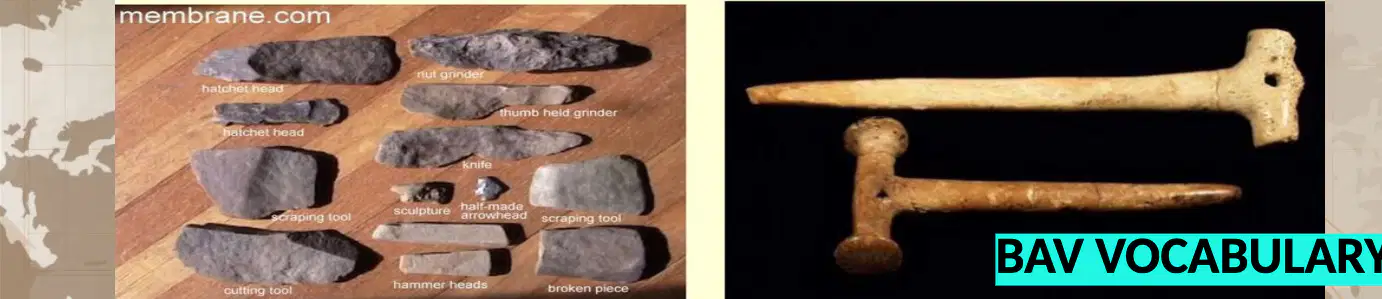
What type of tools were used during the Paleolithic era?
Pottery and metal work
Baskets, skins, bone, and stone tools
Spinning and weaving
Farming tools
Which era is associated with the use of farming tools?
Paleolithic
Neolithic
Bronze Age
Iron Age
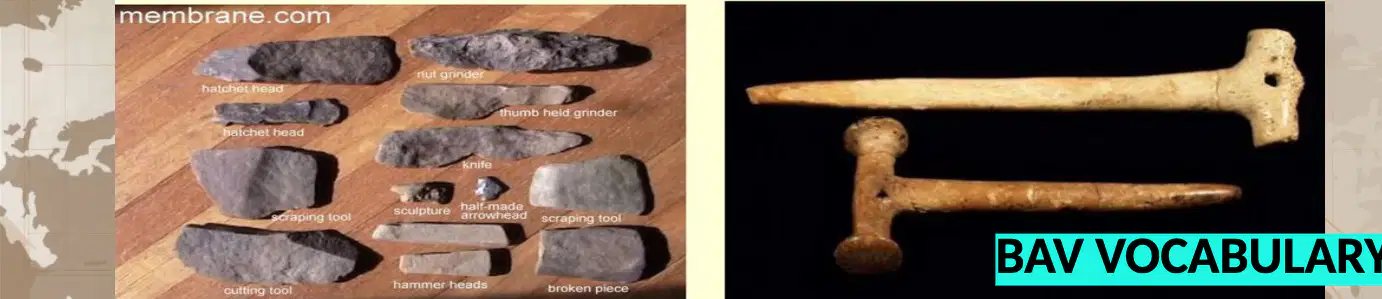
What activities are associated with Neolithic technology?
Hunting and gathering
Pottery, metal work, spinning/weaving
Fishing and sailing
Building pyramids
What does the term "surplus" mean?
A shortage of goods
An excess amount of something
A type of vegetable
A method of cooking
What does the term "Paleolithic" refer to?
The New Stone Age
The Old Stone Age
The Bronze Age
The Iron Age
What is the primary characteristic of "nomads"?
Settling in one place permanently
Moving from place to place
Building large cities
Practicing advanced agriculture
What does "metallurgy" involve?
The study of stars
The art of making pottery
The science of working with metals
The cultivation of plants
What is "domestication" in the context of agriculture?
Building homes
Taming and breeding animals
Growing crops
Trading goods
What does "irrigation" help with in agriculture?
Harvesting crops
Watering crops
Storing crops
Selling crops
What were the Ice Ages?
Long periods of extreme heat
Short periods of mild weather
Long periods of extreme cold
Short periods of extreme cold
What happened to ocean water levels as ice sheets grew larger during the Ice Ages?
Water levels rose
Water levels stayed the same
Water levels lowered
Water levels fluctuated
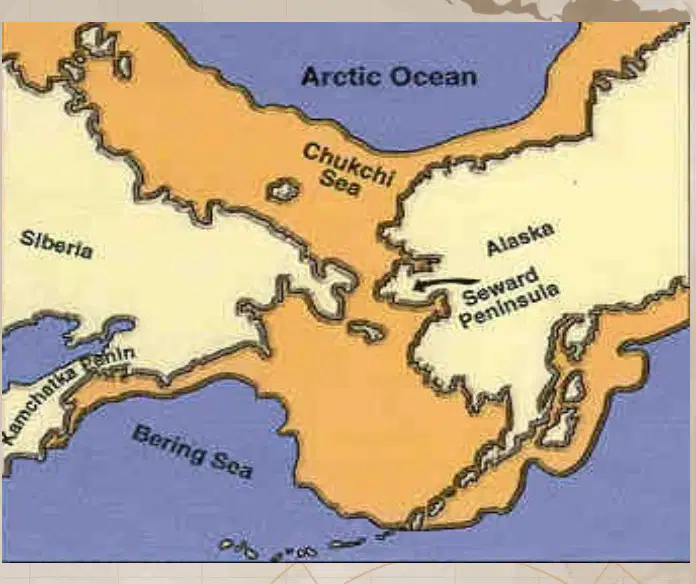
What was exposed due to the lowering of ocean water levels during the Ice Ages?
New islands
Dry land (land bridge)
Underwater cities
Coral reefs
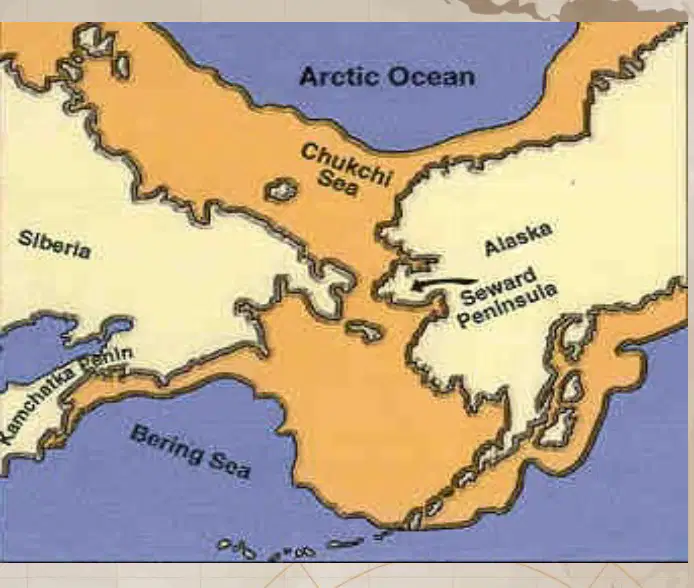
What did the exposed land bridge during the Ice Ages allow people to do?
Travel from Europe to Asia
Travel from Asia to North America
Travel from Africa to South America
Travel from Australia to Antarctica
What type of clothing did early humans wear to survive the Ice Age?
Light cotton clothes
Thick furs
Silk garments
Woolen sweaters
What kind of meals did early humans eat during the Ice Age to help them survive?
Meals rich in carbohydrates
Meals rich in protein
Meals rich in fat
Meals rich in vitamins
How did early humans keep warm during the Ice Age?
By building shelters
By using fire
By migrating to warmer areas
By wearing multiple layers of clothing
How and why did early humans migrate out of Africa and across the Earth's varied landscapes?
To search for food, avoid overpopulation, avoid warfare, or explore new lands
To find new friends and build cities
To escape from dinosaurs
To discover new technologies
What kinds of evidence do historians use to trace the paths of early human migrations?
Bones, tools, cave paintings, and other artifacts
Modern maps and GPS
Weather patterns and climate data
Ancient texts and scrolls
How did the Ice Ages affect where people settled in the Americas?
Early humans migrated using the land bridge and settled where there was food and no ice
Early humans stayed in one place due to the cold
Early humans moved south to escape the ice
Early humans built shelters to live in the ice
Briefly describe what life was like in the Paleolithic Age and the Neolithic Age.
Life was primarily agricultural in both ages.
The Paleolithic Age was characterized by hunting and gathering, while the Neolithic Age saw the beginning of farming.
Both ages were known for advanced technology and urban development.
The Neolithic Age was focused on hunting, while the Paleolithic Age was agricultural.
Where were many Neolithic settlements located and why?
In mountainous regions for protection.
Near rivers and fertile land for agriculture.
In deserts to avoid floods.
On islands for isolation.
Briefly describe what life was like in the Paleolithic Age and the Neolithic Age.
Life in the Paleolithic Age was based on hunting and gathering, while the Neolithic Age saw the development of agriculture.
The Paleolithic Age was known for advanced technology, while the Neolithic Age focused on art.
The Paleolithic Age had large cities, while the Neolithic Age had small villages.
The Paleolithic Age was a time of peace, while the Neolithic Age was marked by wars.
Where were many Neolithic settlements located and why?
Near rivers, because they provided water and fertile land for farming.
In deserts, because they offered protection from invaders.
On mountains, because they were closer to the gods.
In forests, because they provided plenty of wood for building.
What is the meaning of the term "Paleolithic"?
New stone
Old stone
Metal age
Bronze age
Why do historians call the early period the Stone Age?
Because people used metal tools
Because people used stone to make tools and weapons
Because it was a time of peace
Because it was the age of dinosaurs
When did the Stone Age begin and end?
3 million BCE - 5,000 BCE
2.5 million BCE - 8,000 BCE
1 million BCE - 10,000 BCE
500,000 BCE - 2,000 BCE
What significant development marks the beginning of the Stone Age?
The use of fire
The ability to make tools
The discovery of agriculture
The invention of the wheel
When did Homo Sapiens emerge in East Africa?
50,000 - 100,000 years ago
100,000 - 400,000 years ago
400,000 - 600,000 years ago
600,000 - 800,000 years ago
Where did Homo Sapiens migrate from Africa?
Only to Europe
Only to Asia
To Eurasia, Australia, and the Americas
To Antarctica
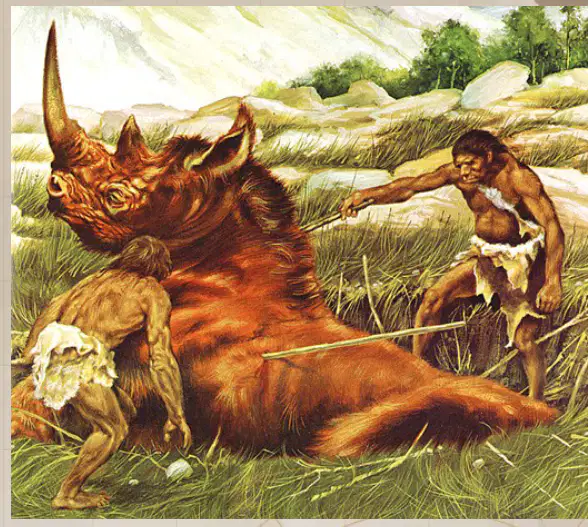
What was the primary lifestyle of early humans?
Farmers
Hunters and gatherers
Industrial workers
Merchants
What role did men primarily have according to the learning material?
Hunted animals and developed tracking methods
Stayed close to camp and looked after children
Searched for berries, nuts, and grains
Made clothing and pottery
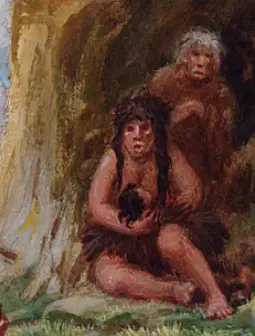
What activities were women responsible for according to the learning material?
Hunted animals
Developed tracking methods
Stayed close to camp and searched for berries, nuts, and grains
Built shelters
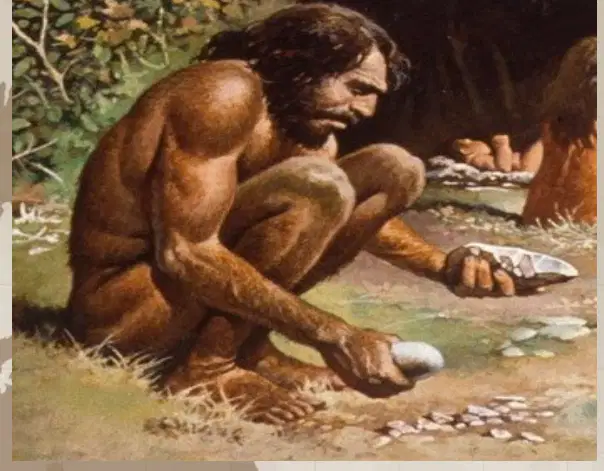
Which of the following was a way humans adapted to their environment?
Built skyscrapers
Made tools for various tasks
Invented the internet
Used solar panels
What did humans create to help them survive in cold environments?
Air conditioning
Warm clothing
Refrigerators
Sunglasses
Where did early humans find shelter?
In tents
In caves and rock ledges
In treehouses
In igloos
What important discovery did humans make to help them adapt to their environment?
Electricity
Fire
Plastic
Steel
What was one of the earliest forms of communication?
Writing letters
Using gestures
Sending emails
Drawing maps
What did early humans start using to express themselves?
Numbers
Words
Symbols
Colors
What purpose did words serve in early communication?
Building structures
Communicating information and emotions
Cooking food
Traveling long distances
Which animals were commonly depicted in cave art?
Lions, tigers, and bears
Horses, boars, bison, and deer
Elephants, giraffes, and zebras
Dogs, cats, and birds

