
 Worksheets
Respiratory System & CPR
Total questions: 20
Worksheet time: 10mins
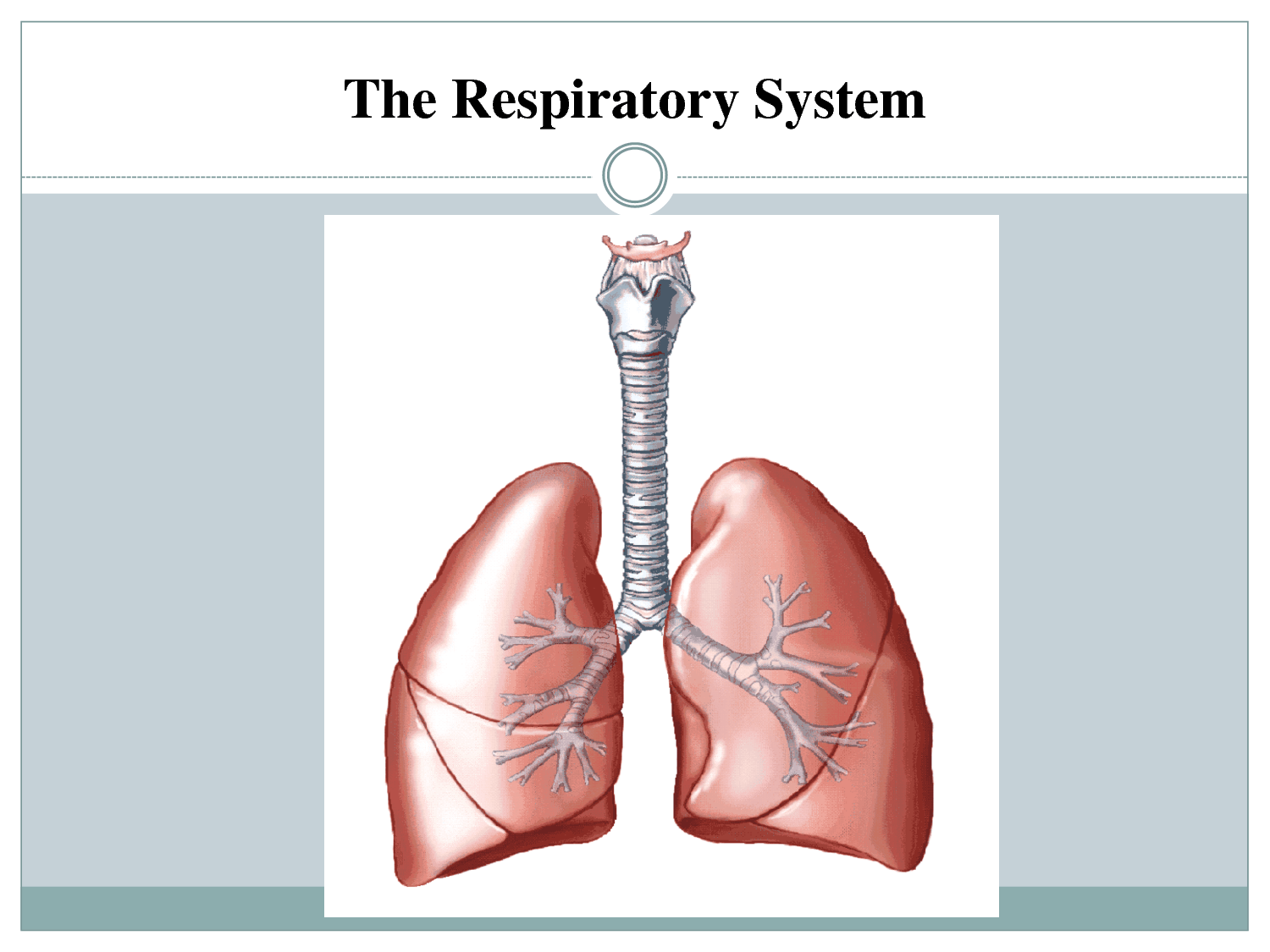
Which is the main organ of gas exchange in the Respiratory System?
larynx
heart
lungs
brain
How can you tell if an infant is responsive?
flick its foot
tickle it
throw water on it
listen for breathing
If something is fully obstructing the airway, what will happen to the infant?
they won't be able to cry or cough
they may ask for food
they'll laugh
they'll cry
Before assisting anyone in an emergency situation, you first need to
make sure the scene is safe.
check for witnesses
Call 911.
Look, listen, and feel for breathing.
How do you know a person needs assistance if they are choking?
They cannot cough
They cannot speak
They cannot breath
all of these

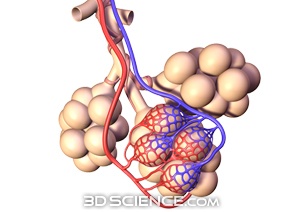
What are the tiny sacs of lung tissue called that specialize in the movement of gases between air and blood.
lungs
bronchi
alveoli
diaphragm
This is also called the windpipe; a passage through which air moves in the respiratory system.
trachea
lungs
larynx
bronchi
What happens when your diaphragm relaxes and moves upward?
Your lungs deflate and you breathe out.
Your lungs inflate and you breathe in.
Your alveoli transfer oxygen to your bloodstream.
Your bloodstream transfers carbon dioxide to your alveoli.

What organ of the respiratory system is in blue.
pharynx
trachea
larynx
epiglottis
What organ of the respiratory system is in purple.
pharynx
trachea
larynx
epiglottis

What do we use "Look, Listen, and Feel" for?
Breathing
Counsciousness
Bleeding
Pulse


During CPR on an adult, you should give __?__ compressions
10
20
30
40

How many breaths are given during CPR?
10
7
8
2

CPR stands for ?
Caring Pulmonary Resuscitation
Cardiopulmonary Reflex
Cardio Pulse Response
Cardiopulmonary Resuscitation

With infant CPR, you adjust compressions by ....
Using one finger from both hands at the same time.
Using you palm from one hand.
Using one thumb
Using two fingers from one hand

Infant CPR compressions are how deep?
2 inches
1 1/2 inches
1 inch
2 1/2 inches

