
 Worksheets
cells
Total questions: 15
Worksheet time: 25mins
Name
Class
Date
1.
The ____________ regulates what enters and leaves the cell.
a)
mitochondria
b)
cell membrane
c)
golgi bodies
d)
cytoplasm
2.
Jelly-like material that makes up most of the cell
a)
cytoskeleton
b)
cytoplasm
c)
cyclops
d)
cytoliquid
3.
What is the cell wall?
a)
Something in both animal and plant cells
b)
Only in animal cells
c)
Found in plant cells and it surrounds the cell membrane
4.
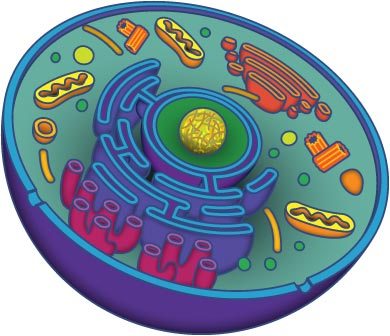
All living things are made up of...
a)
cells
b)
cell tissues
c)
organ
d)
organ systems
5.
An organism made of one cell is called
a)
unicellular organism
b)
multicellular organism
6.
Made up of several cells
a)
Single Cellular
b)
Multi-Cellular
c)
Chloroplast
d)
Nucleus
7.
What is found in both plant and animal cells but is much larger in plant cells?
a)
Nucleus
b)
Mitochondria
c)
Chloroplast
d)
Vacuole
8.
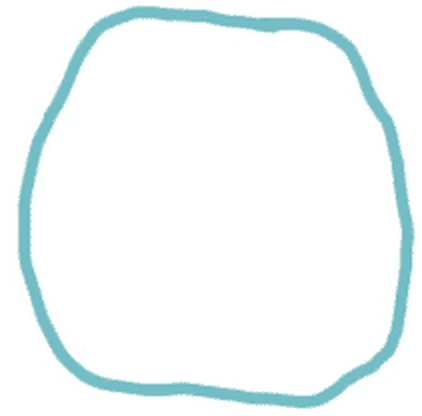
I am the outer most layer of an animal cell. What am I?
a)
cell wall
b)
nucleus
c)
cell membrane
d)
cell skin
9.

What cell part is NOT found in all cells?
a)
Cell Wall
b)
Cell Membrane
c)
Cytoplasm
d)
Genetic Material
10.
plants don't have chloroplasts
a)
true
b)
false
11.
Which is an example of a single-celled organism?
a)
bird
b)
cricket
c)
snake
d)
bacteria
12.
A group of similar cells working together is called...
a)
cell
b)
tissue
c)
organ
d)
organ system
e)
multicellular organism
13.
The heart is an example of different tissues working together to perform a specific job. This is an example of a(n):
a)
cell
b)
tissue
c)
organ
d)
organ system
e)
organism
14.

You are studying an organism under the microscope. You notice that it has many cells working together to digest food that it just consumed. Is this organism multicellular or unicellular?
a)
Unicellular
b)
Multicellular
15.
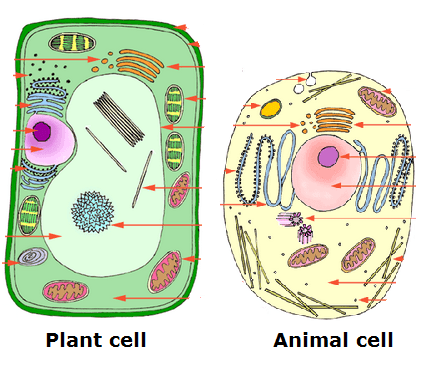
What distinguishes a plant cell from an animal cell? (How do you tell them apart) Hint: There's 3 ways (Check all 3)
a)
Central Vacuole
b)
Mitochondria
c)
Cell Wall
d)
Ribosomes
e)
Chloroplasts
100 %

