
 Worksheets
The Harlem Renaissance
Total questions: 25
Worksheet time: 13mins
The Harlem Renaissance was a cultural, intellectual, and artistic movement.
True
False
Louis Armstrong was a _______________.
Poet
Jazz Musician
An Athlete
Person
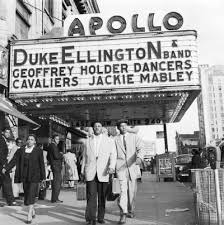


The Harlem Renaissance spanned which decade?
1900s
1910s
1920s
1930s

The Harlem Renaissance
Occurred in Harlem, New York
Took place in the 1920s
Was a period of intellectual, artistic, and social explosion
All of the answers are correct
What was the "New Negro?"
A new view on how society treated black people
A popular new style of music
A new sense of identity and dignity among African Americans
A jazz musician at the Cotton Club


Who was known as the “Empress of the Blues”
Zora Neale Hurston
Nella Larsen
Bessie Smith
Josephine Baker
True or false: The Cotton Club was a place where African Americans performed for other African Americans.
True
False
Who was known for being one of the most militant writers during the Harlem Renaissance
Jean Toomers
Langston Hughes
Aaron Douglas
Claude McKay
What book did Zora Neale Hurston write that expressed longing independence felt by women black and white.
Their Eyes Were Watching God
I, Too
It Don’t Mean a Thing if it Ain’t Got That Swing
The Red Summer of 1919

The photograph above was an example of —
Reconstruction
Freeman's Bureau legislation
Jim Crow Laws

Approximately this many African Americans moved to the North during & right after World War I.
1 million
5 million
10 million
25 million

Which of these was NOT an important figure during the Harlem Renaissance?
Marcus Garvey
Zora Neale Hurston
Duke Ellington
Booker T. Washington

The most popular jazz club in the US during the 1920's was the
Club 21
Armstrong Club
Cotton Club
Club Speakeasy
How did race relations in the South change after Reconstruction?
Laws were created to increase African Americans' rights.
Poll Taxes were decreased to ensure voting practices.
Laws were created to limit African Americans' rights.

Which type of discrimination is portrayed in this Jacob Lawrence painting from his Great Migration series?
White people received the higher paying jobs in the North and Midwest.
African Americans experienced segregation in public facilities.
There were few job opportunities for African Americans in the North.

