
NEW
Font size
 Worksheets
HIstory of the Periodic Table HW
Total questions: 12
Worksheet time: 6mins
Who proposed the Law of Octaves?
Lothar Meyer
Henry Moseley
John Newlands
Dmitri Mendeleev
J.J. Thomson
Which scientist organized the periodic table by atomic number?
Mendeleev
Moseley
Dobereiner
Seaborg
Dalton
Which scientist is known for the Law of Triads?
Mendeleev
Moseley
Dobereiner
Seaborg
Rutherford
The modern periodic table is arranged by ____
atomic mass
atomic number
ion charges
number of isotopes
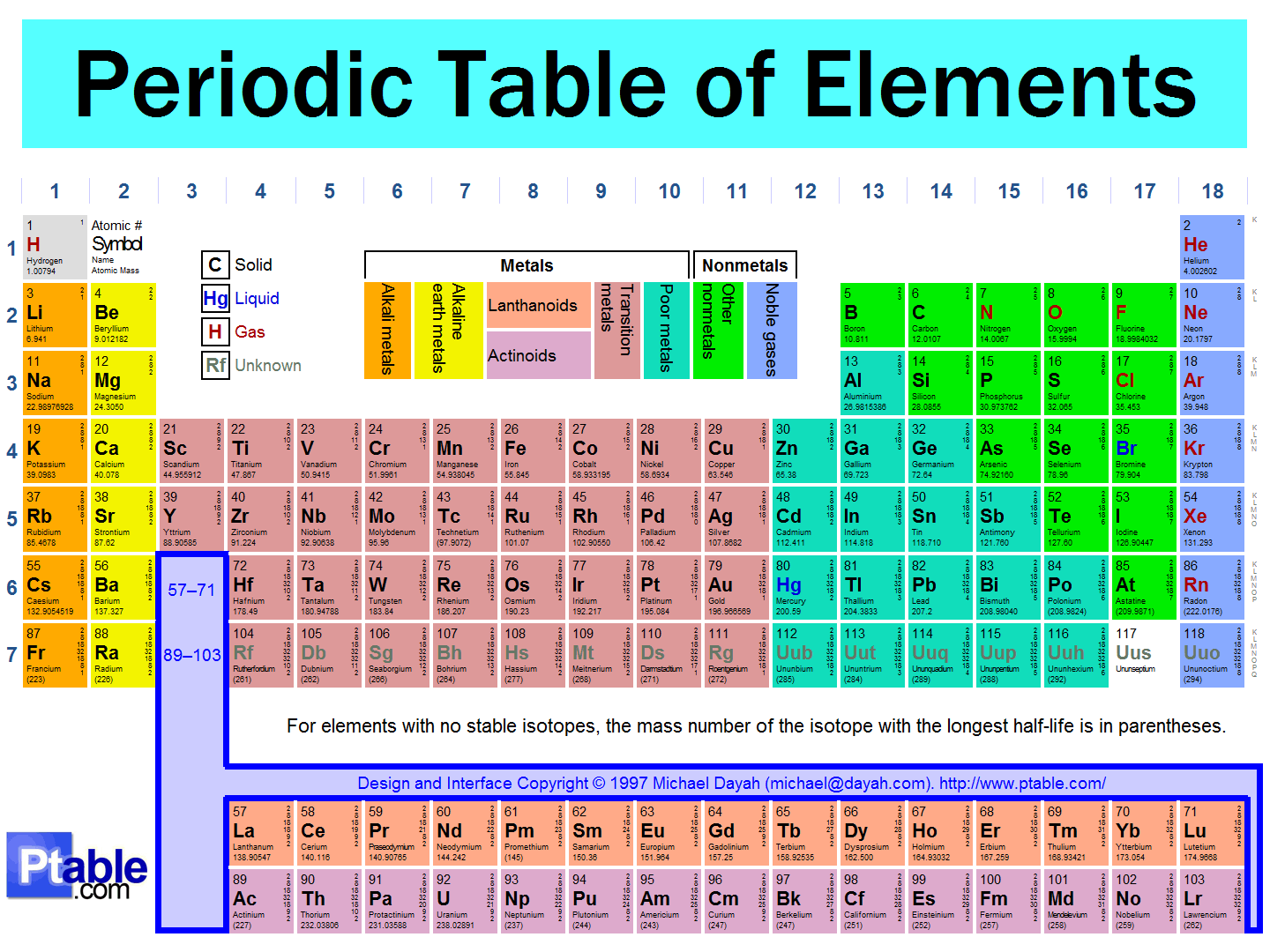
The vertical (up and down) columns in the periodic table are called
groups
towers
periods
atomic numbers
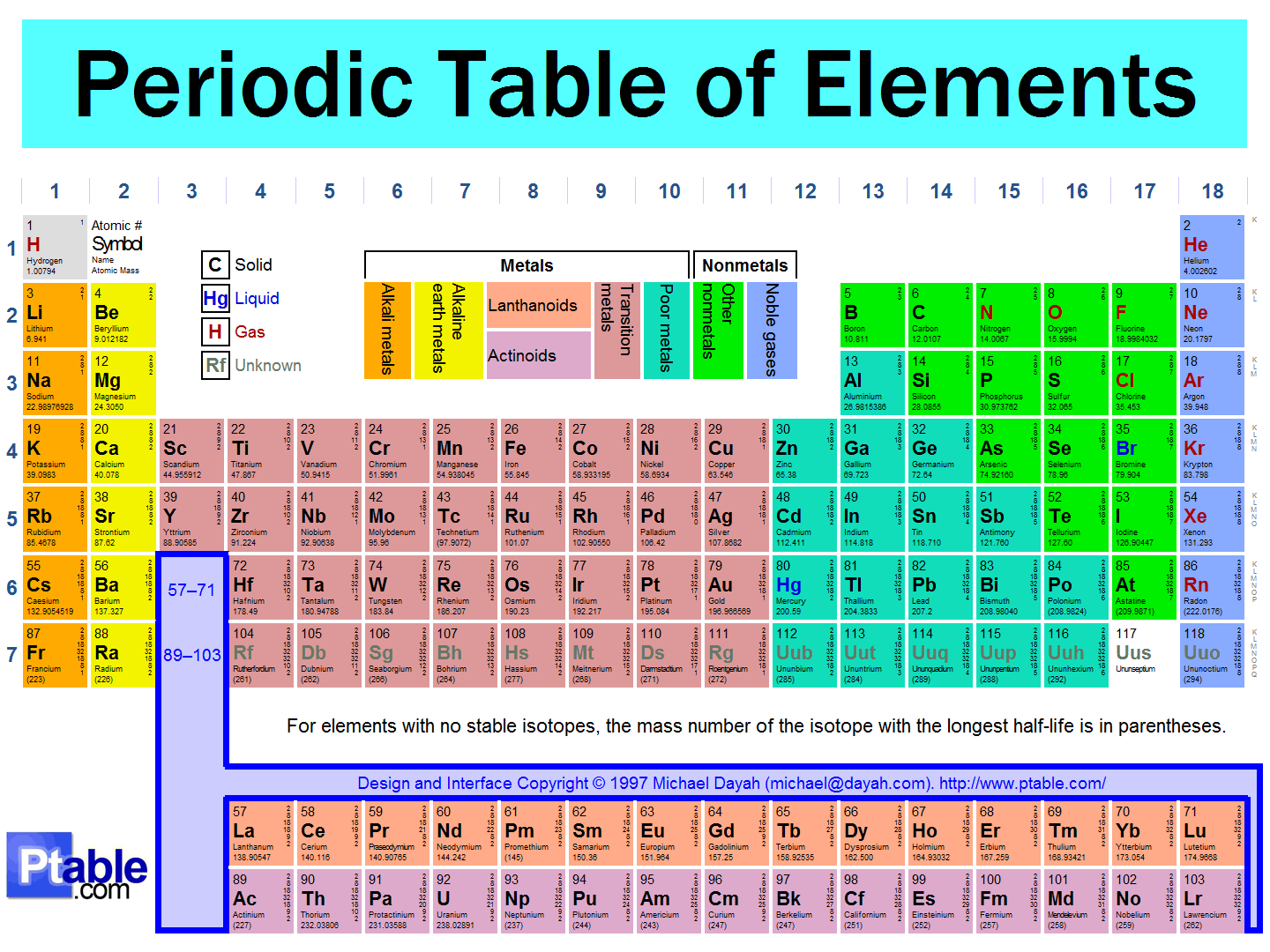
The horizontal (side to side) rows in the periodic table are called
groups
families
periods
atomic numbers

Which two elements are in the same period?
boron (B) and lithium (Li)
beryllium (Be) and calcium (Ca)
phosphorus (P) and oxygen(O)
boron (B) and phosphorus (P)
The scientist ____ is credited with the idea of arranging the elements in the periodic table according to their physical and chemical properties.
Mendeleev
Dobereiner
Newlands
Dalton
Mendeleev predicted that the empty spaces in his periodic table represented ____.
isotopes
radioactive elements
permanent gaps
undiscovered elements
Which scientist discovered many elements past uranium and reorganized the periodic table by moving the lanthanides and actinides below the main body of the table?
Seaborg
Moseley
Meyer
Mendeleev

