
 Worksheets
chemical bonding
Total questions: 13
Worksheet time: 10mins
why atoms form compounds?
to lower their potential energy
to lower their kinetic energy
to increase their strength
to increase get rid of electrons
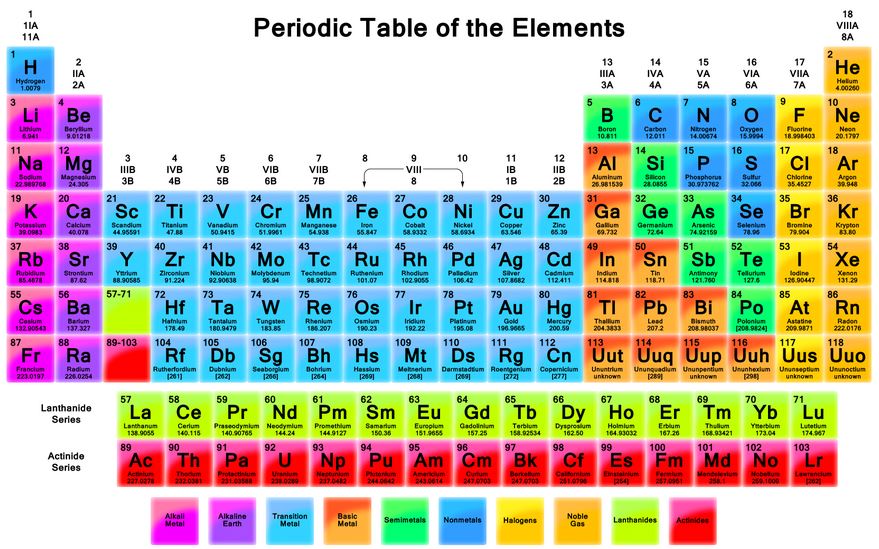
A covalent bond forms when atoms ___________ electrons.
gain
share
increase
transfer
when a metal and non-metal reacts, the type of bond formed is _____________
ionic
covalent
metallic
network
when non-metal and non-metal reacts, the type of bond formed is _____________
ionic
covalent
metallic
network

using the values of electronegativity, determine the type of bond between Fluorine (F) and Potassium (K)
Ionic
polar covalent
non-polar covalent
using the values of electronegativity, determine the type of bond between Carbon (C) and Bromine (Br)
Ionic
polar covalent
non-polar covalent
using the values of electronegativity, determine the type of bond between Hydrogen (H) and Phosphorous (P)
Ionic
polar covalent
non-polar covalent

