wayground logo

Free Printable Worksheets

NEW

Font size

S
M
L
XL
Worksheets

Ecology Vocabulary

Total questions: 25

Worksheet time: 14mins

Name
Class
Date
1.
An organism that produces its own food supply from inorganic compounds is called a(an)
a)
heterotroph
b)
consumer
c)
detritivore
d)
autotroph
2.
An organism that needs to eat other organisms to obtain energy is known as a:
a)
Autotroph
b)
Producer
c)
Consumer
d)
Mutualist
3.

The nonliving parts of an ecosystem.

a)

Abiotic factors

b)

Biotic factors

4.

The organisms that make up a community and the nonliving parts of the environment that they interact with are a(n)

a)

Population

b)

Community

c)

Habitat

d)

Ecosystem

5.

What are the abiotic factors in this image?

a)

water, sunlight, dirt, air

b)

birds and plants

c)

birds, water, dirt

d)

plants, water

6.
The study of how living things interact with one another and with their environment.
a)
Biology
b)
Lithology
c)
Ecology
d)
Farmacology
7.

The portion of the planet in which living things are found

a)

ecosystem

b)

biosphere

c)

biome

d)

atmosphere

8.

Organisms that break down decaying material are

a)

consumers

b)

producers

c)

decomposers

9.
the path of food energy from one living thing to another
a)
food chain
b)
food web
c)
organism
d)
energy
10.
a consumer that eats only plants
a)
herbivore
b)
carnivore
c)
omnivore
d)
predator
11.
a consumer that eats only other animals (meat)
a)
herbivore
b)
carnivore
c)
omnivore
d)
decomposer
12.
a consumer that eats both plants and other animals
a)
herbivore
b)
carnivore
c)
omnivore
d)
producer
13.

An organism’s way of life (role in its environment)

a)

producer

b)

consumer

c)

habitat

d)

niche

14.

an organism that feeds on dead organic material; add nutrients to the soil

a)

herbivore

b)

decomposer

c)

producer

d)

carnivore

15.
Homeostasis is vital to an organism because it allows the organism to
a)
Grow at the fastest rate possible
b)
Reproduce even when conditions are unfavorable
c)
Camouflage against its background
d)
Maintain a stable internal environment
16.

An organism that eats dead or decaying organisms is a

a)

carnivore

b)

herbivore

c)

detrivore

d)

omnivore

17.
Organisms that relies on other organisms for food; consumer
a)
herbivore
b)
decomposer
c)
heterotroph
d)
species
18.

Each level of the energy pyramid is called, what?

a)

trophic level

b)

consumer level

c)

energy level

d)

producer level

19.
process by which some organisms, such as certain bacteria, use chemical energy to produce carbohydrates
a)
producer
b)
photosynthesis
c)
chemosynthesis
d)
decomposer
20.
group of ecosystems that have the same climate and dominant communities
a)
biosphere
b)
biome
c)
ecosystem
d)
community
21.

the replacement of one community by another until a stable stage is reached

a)

succession

b)

military coup

c)

homeostasis

d)

transpiration

22.

Living things found in nature

a)

Abiotic

b)

Limiting Factors

c)

Biotic

d)

Interdependence

23.
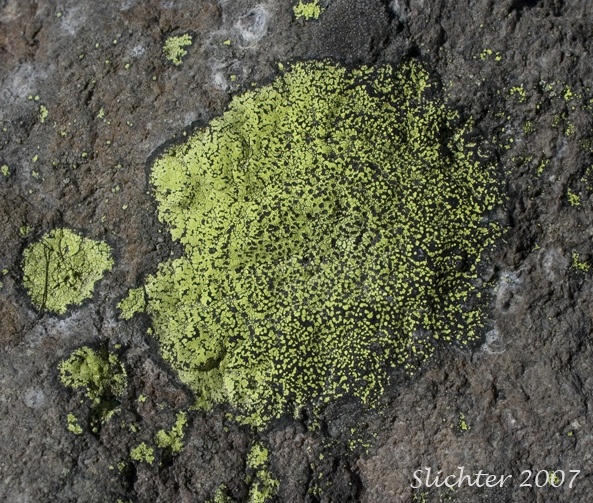
What is the first species you will see after a primary succession? (in picture)
a)
lichens
b)
grasses
c)
small plants
24.

What is the total mass of organisms in a trophic level?

a)

Food Chain

b)

Biomass

c)

Ecological succession

25.

The process of converting nitrogen gas into nitrates for bacteria to use and put it back into the soil.

a)

Nitrogen fixation

b)

Carbon dioxide