
NEW
Font size
S
M
L
XL
 Worksheets
Chemistry of Water
Total questions: 26
Worksheet time: 31mins
Name
Class
Date
1.

The chemical compound of water is
a)
HO
b)
H2O
c)
H3O
d)
HO2
2.

Water is a universal solvent
a)
True
b)
False
3.

Pure water has a
a)
Neutral pH
b)
Negative pH
c)
Positive pH
d)
Both Negative and Positive pH
4.

A Compound that is being dissolved is called a
a)
Solution
b)
Solute
c)
Solvent
d)
Suspension
5.
A solvent is...
a)
substance into which the solute dissolves
b)
a compound being dissolved
c)
a substance that does not dissolve
d)
None of the above
6.

What is water made of?
a)
Water
b)
Liquid
c)
Hydrogen and oxygen
d)
Blue
7.

What is an example of something that dissolves in water
a)
Yourself
b)
Sugar
c)
A rock
d)
A boat
8.

A water strider can skate along the top of a pond because:
a)
covalent bonds result in water cohesion
b)
hydrogen bonds result in water cohesion (surface tension)
c)
water striders have adapted to take advantage of water cohesion
d)
low surface tension of water
9.

Why can water have no net charge but have slight charges in different parts of the molecule?
a)
The oxygen end is slightly negative and the hydrogen end is slightly positive
b)
The hydrogen end is slightly negative and the oxygen end is slightly positive
c)
The hydrogen and oxygen ends change in polarity
d)
Because it is hydrophobic
10.

Attractions between water molecules are called
a)
Covalent bonds
b)
Ionic bonds
c)
Polar bonds
d)
Hydrogen bonds
11.

Which end of the water molecule has a slightly positive charge?
a)
the oxygen end
b)
the hydrogen end
c)
both ends are slightly positive
d)
neither end is positive
12.
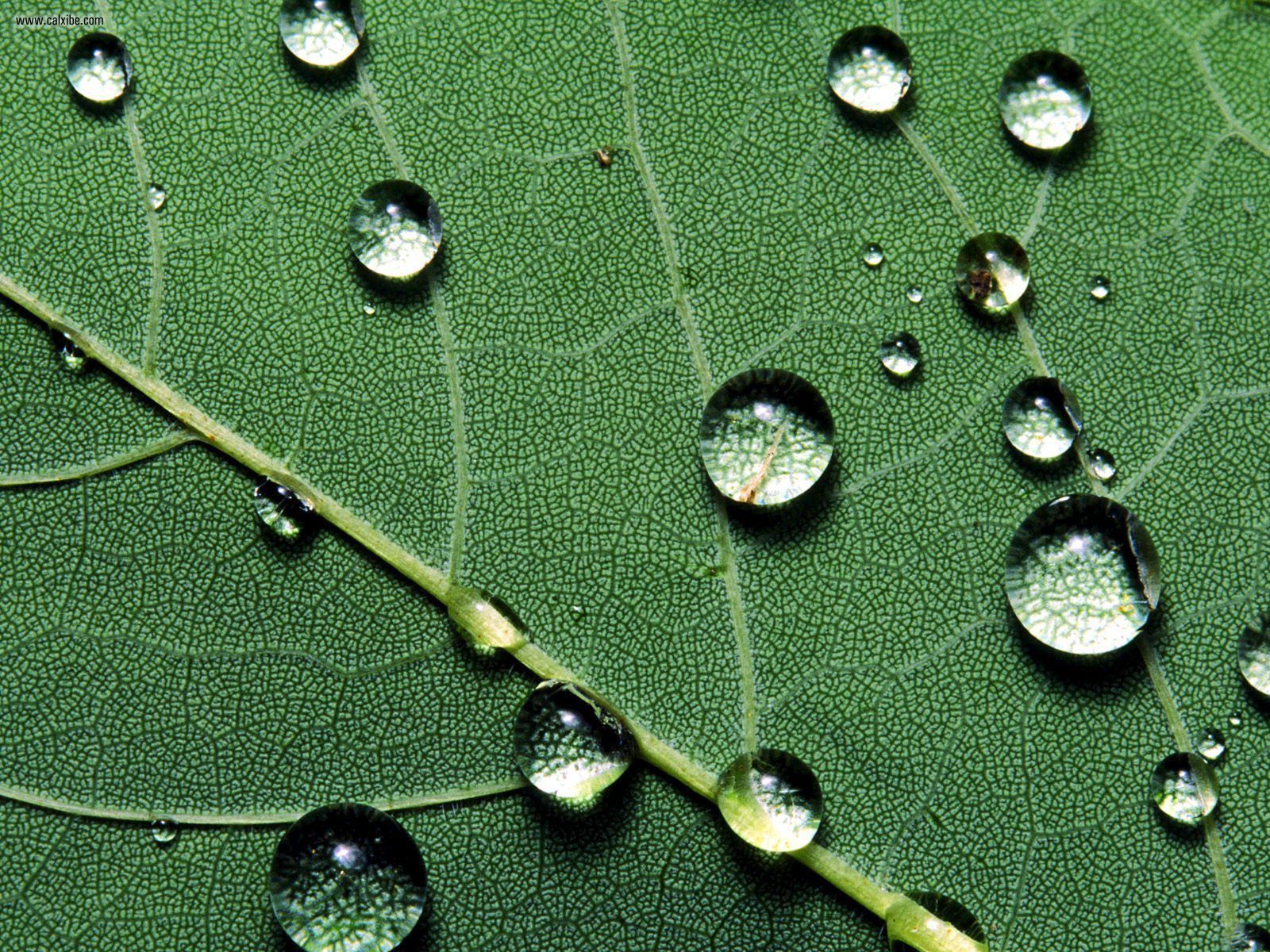
Refer to the picture of water sticking to a leaf; this is occurring because of:
a)
Adhesion
b)
Cohesion
13.
Describe COHESION.
a)
Water molecules attracted to other substances.
b)
Water molecules climbing upwards against the force of gravity.
c)
Water molecules dissolving many substances because of its polarity.
d)
Water molecules attracted to other water molecules.
14.

What two elements make up water?
a)
Helium and oxygen
b)
Hydrogen and oxygen
c)
helium and carbon
d)
oxygen and carbon
15.

Attractions between water molecules are called
a)
Covalent bonds
b)
Ionic bonds
c)
Polar bonds
d)
Hydrogen bonds
16.

tendency of molecules of the same kind to stick to one another
a)
cohesion
b)
adhesion
c)
solution
d)
polar molecule
17.

molecule in which opposite ends have opposite electric charges
a)
cohesion
b)
polar molecule
c)
hydrogen bond
d)
solution
18.
Which characteristic of water will allow a paperclip to remain floating on water when the paperclip is gently placed on top of the water?
a)
adhesion
b)
surface tension
c)
solvent properties
d)
nonpolar
19.
Water's ability to stick to glass is
a)
adhesion
b)
cohesion
c)
surface tention
d)
capillary action
20.
What is adhesion?
a)
Water's ability to stick to itself
b)
Water's ability to stick to other substances
c)
The strength of the cohesion of all the water molecules combined
d)
Tape, glue and other adhesives
21.

A solution with a pH of 3.6 would be...
a)
Acid
b)
basic
c)
Neutral
d)
Acid and basic
22.
What does the pH scale range from?
a)
0-10
b)
2-15
c)
1-5
d)
0-14
23.

According to the pH range which substance is more acidic than lemon juice
a)
Hydrochloric acid
b)
cabbage
c)
milk
24.

Bleach is a strong base, what is the pH level of bleach?
a)
13
b)
14
c)
1
d)
2
25.
A solution with a pH of 7.0 would be...
a)
Acid
b)
Base
c)
Neutral
d)
Acid and Base
26.
A high specific heat means...
a)
It heats up quickly with energy added
b)
It requires more energy to change temperature
Reset

