Worksheets
Assessment 2 Review
Total questions: 20
Worksheet time: 20mins
What is the belief that individuals are born with basic rights that cannot be taken away by government?
natural law
social contract
separation of powers
consent of the governed
What is it called when three branches of government have their own distinct powers?
checks and balances
separation of powers
natural law
consent of the governed
An agreement among the people and the government is called a
natural law
separation of powers
check
social contract
Thomas Jefferson used John Locke's natural rights in which famous U.S. document?
U.S. constitution
Declaration of independence
English Bill of Rights
Magna Carta
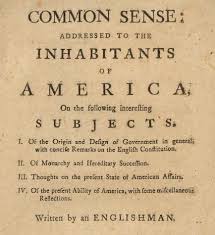
Thomas Paine mainly wrote Common Sense to
Demand limited government
Convince people to create self-government
Illustrate the king’s oppression
Expand the rights of the people

Which phrase completes the diagram?
Why did Parliament eventually repeal the Stamp Act, which taxed goods such as newspapers and playing cards?
The colonists established a blockade against British goods.
The colonists were able to produce their own goods.
The colonists started destroying British goods.
The colonists began boycotting British goods.

Based on the passage, where should governments get their power?
from the legislative branch
from the executive branch
from elected leaders
from the citizens
Which of the following were English policies that raised concerns with colonists? Choose all that apply.
Stamp Act
Civil Rights Act
Intolerable Acts
Sugar Act
Tea Act
When a person or group is acting on behalf of another person or group, it is called...
rule of law
oppression
individual rights
representation
Following the _______, England taxed the colonies to pay its debt and limited westward expansion with the Proclamation of 1763. Both of these actions angered the colonists.
French and Indian War
American Revolution
War of 1812
Civil War
As a result of conflicts with England, colonists wrote the ________, which expressed their grievances against the King of England and proclaimed that they wanted to be independent states.
Declaration of Independence
U.S. Constitution
Articles of Confederation
Bill of Rights
To refuse to buy or take part in
Delegate
Boycott
Customs Duty
Grievance
A monarchy is...
a government ruled by a king or queen
a government ruled by a mayor
a government ruled by a president
a government ruled by a dictator
Rights that are given to you when you are accused of a crime
Parliament
Constitution
Grievance
Due Process
Which of these is something that a citizen HAS to do?
vote
jury duty
volunteer
community service
To whom were the signers writing this "break-up letter"?
The world
King George
George Washington
No one