wayground logo

Free Printable Worksheets

Font size

S
M
L
XL
Worksheets

Ecology review 2020

Total questions: 20

Worksheet time: 23mins

Name
Class
Date
1.

Ecology is the study of .

a)

life

b)

Interactions among organisms and their environments

c)

interactions among organisms

d)

how traits are passed from parents to offspring

2.

Which of the following is abiotic?

a)

A tree in a forest.

b)

Wood from the tree on the forest floor.

c)

A termite on the tree.

d)

The soil the tree is growing in.

3.

Which of the following is biotic?

a)

Food

b)

Water

c)

Air

d)

Light

4.

A close, ongoing relationship between species in which at least one is benefiting and the other is not helped or harmed.

a)

Commensalism

b)

Symbiosis

c)

Predator & Prey

d)

Mutualism

5.

An ongoing relationship in which one organism benefits and the other is harmed.

a)

A. Predator & Prey

b)

B. Mutualism

c)

C. Commensalism

d)

D. Parasitism

6.

There are birds that eat the food from between the teeth of alligators, leaving the alligators with clean teeth and the birds with a meal. What type of ongoing relationship is this?

a)

A. Predator & Prey

b)

B. Mutualism

c)

C. Commensalism

d)

D. Parasitism

7.

Which of the following is a predator and prey relationship?

a)

A. Cow and grass.

b)

B. Vulture and a dead lion.

c)

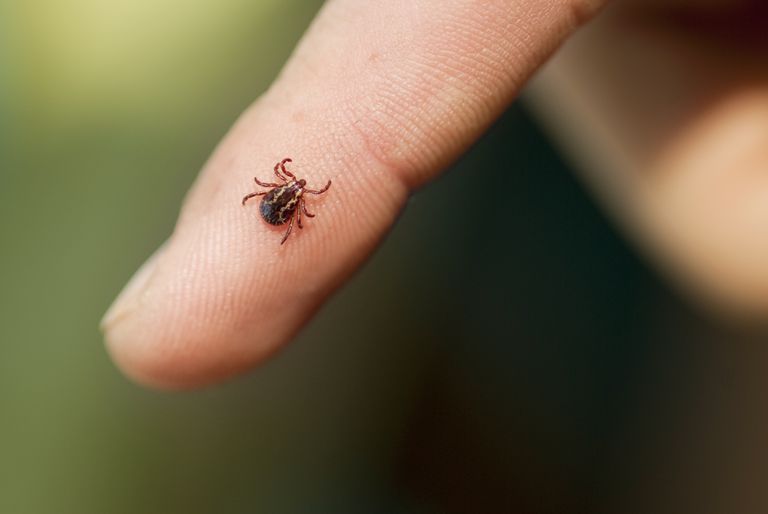
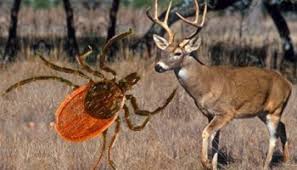
C. Tick and a deer.

d)

D. Spider and a fly.

8.

Bee and flower.

a)

Commensalism

b)

Predator/Prey

c)

Mutualism

d)

Parasitism

9.

Bird builds nest in tree.

a)

Commensalism

b)

Mutualism

c)

Predator/Prey

d)

Parasitism

10.

Tick and Deer

a)

Commensalism

b)

Mutualism

c)

Parasitism

d)

Predator/Prey

11.
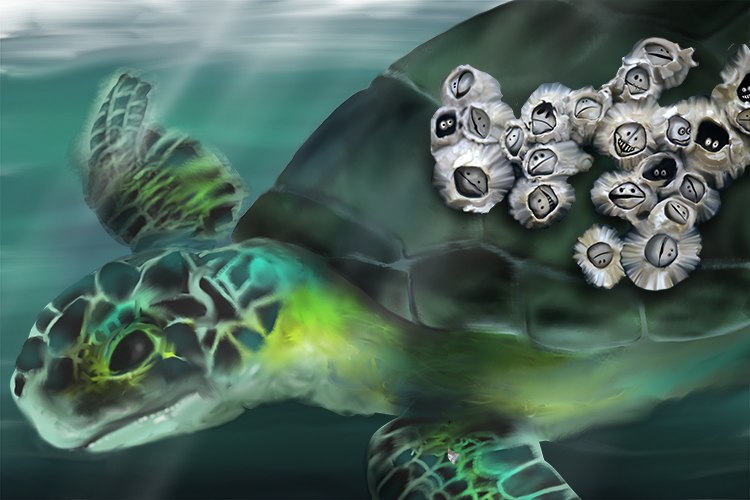
Barnacles attach themselves to whales. The whales are so large that they are seemingly unaffected. The barnacles get a habitat and food when the whale enters an area with abundant food resources. What type of relationship exists between the whale and the barnacle?
a)
mutualism
b)
commensalism
c)
parasitism
d)
predation
12.
Oxpeckers are birds that sit on zebras and rhinos and eat ticks and other parasites that live on their skin. The oxpeckers get food and in return the zebras and rhinos get pest control. When there is danger, the oxpeckers fly upward and scream a warning to help the zebras and rhinos.  Which of the following correctly identifies the symbiotic relationship between the oxpeckers and the zebras? 
a)
parasitism
b)
commensalism
c)
mutualism
d)
competition
13.

Epiphytes are plants that grow on other plants. They do not harm the plants that they grow on. Instead they obtain what they need for survival from the air and the sun. Which of the following correctly identifies the relationships between orchids and tropical rain forest trees?

a)

mutualism

b)

commensalism

c)

parasitism

d)

predation

14.
A food chain contains oak trees (producer), mice (herbivore), black rat snakes (carnivore), and bald eagles (carnivore). If these organisms were placed in an energy pyramid, which organism would be in the energy level with the second-most amount of energy available? 
a)
Mice
b)
Oak Trees
c)
Bald Eagles
d)
Black Rat Snakes
15.
Sharks are hunted for their fins for use in shark fin soup, a specialty food item in Asia. Sharks grow slowly and take years to reproduce, which makes them vulnerable to overfishing. If overfishing of sharks is not reduced, sharks may become endangered in the next few years.  What would occur to the Pacific Ocean fish population if their natural predator, sharks, are overfished? 
a)
overpopulation
b)
extinction
c)
migration
d)
adaptation
16.

What change could happen in the atmosphere because of widespread deforestation? Choose all the correct answers.

a)

Oxygen increase

b)

Oxygen decrease

c)

Carbon dioxide increase

d)

Carbon dioxide decrease

17.
Grass --> Grasshopper --> Mockingbird represents __________. 
a)
food chain
b)
food pyramid
c)
food web
d)
ecosystem
18.
Energy in an ecosystem is used for growth or lost as __________
a)
light
b)
heat
c)
death
d)
biomass
19.
Algae, grasses and trees are all __________. 
a)
decomposers
b)
consumers
c)
autotrophs/producers
d)
pyramids
20.
A trophic level represents a _________. 
a)
consumer
b)
feeding level
c)
speeding level
d)
cooking level