
Font size
 Worksheets
SCIENCE FORM 2 CHAPTER 1 AND 2
Total questions: 40
Worksheet time: 20mins
Which of the following is NOT a characteristic of plant that has monocotyledon seed?
Has parallel vein leaves
Has tap root
Has woody stem
Non-flowering plant
Which of the following plant can be classified into non-flowering plant?
Conifers
Grass
Cactus
Pomegranate tree
What is an endemic species?
Species that can be found anywhere
Animals that became endangered
Organisms that can only be found in restricted habitat
Plants that can undergo photosynthesis
Which of the following animal is invertebrates, has 6 pairs of legs and segmented body?
Ants
Spider
Millipede
Bat
An animal that has moist skin and no scales.
amphibian
mammal
reptile
fish
Which of the animals below are reptiles? CHOOSE ALL CORRECT ANSWERS!
croccodiles
alligators
chickens
fish
frogs
Choose the animal that is a vertebrate.
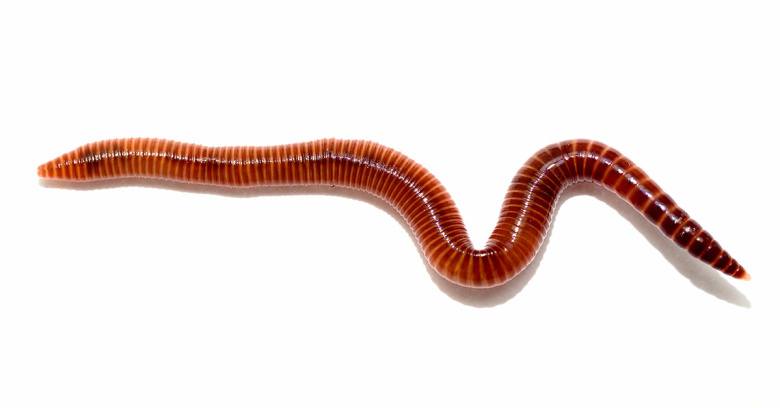
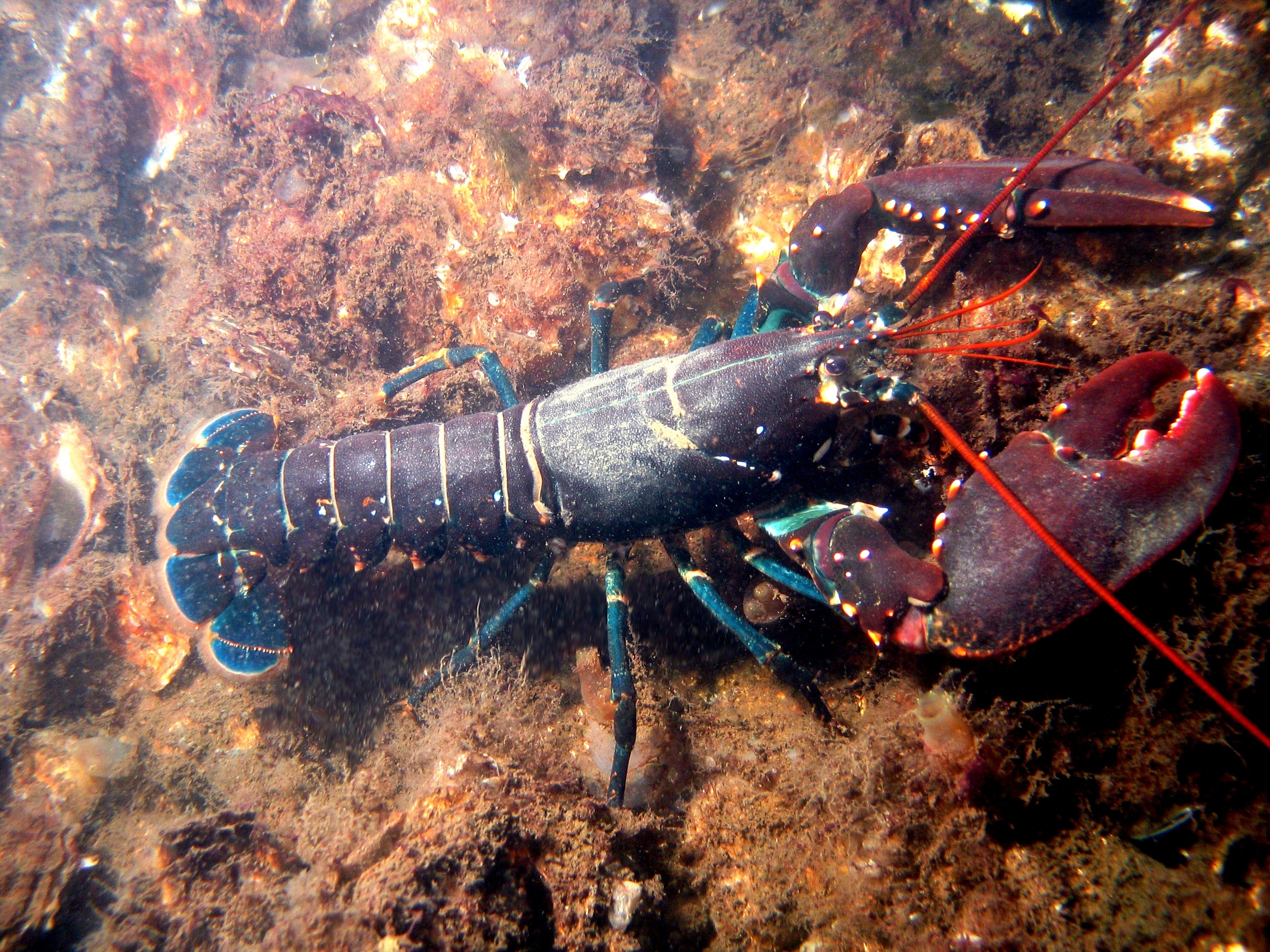
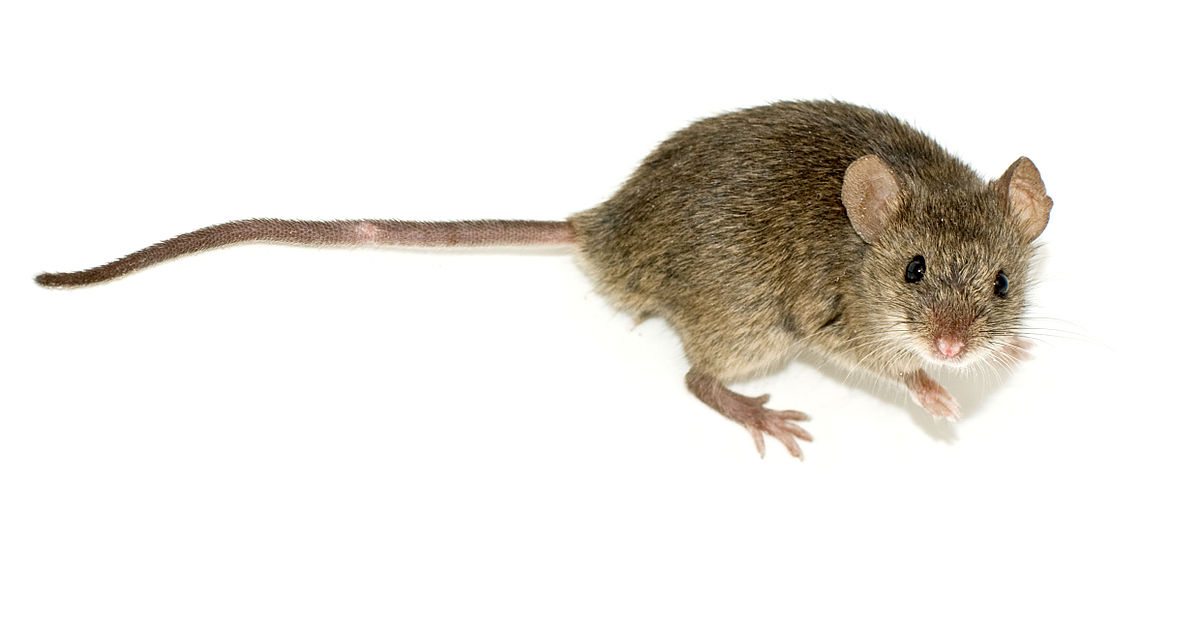
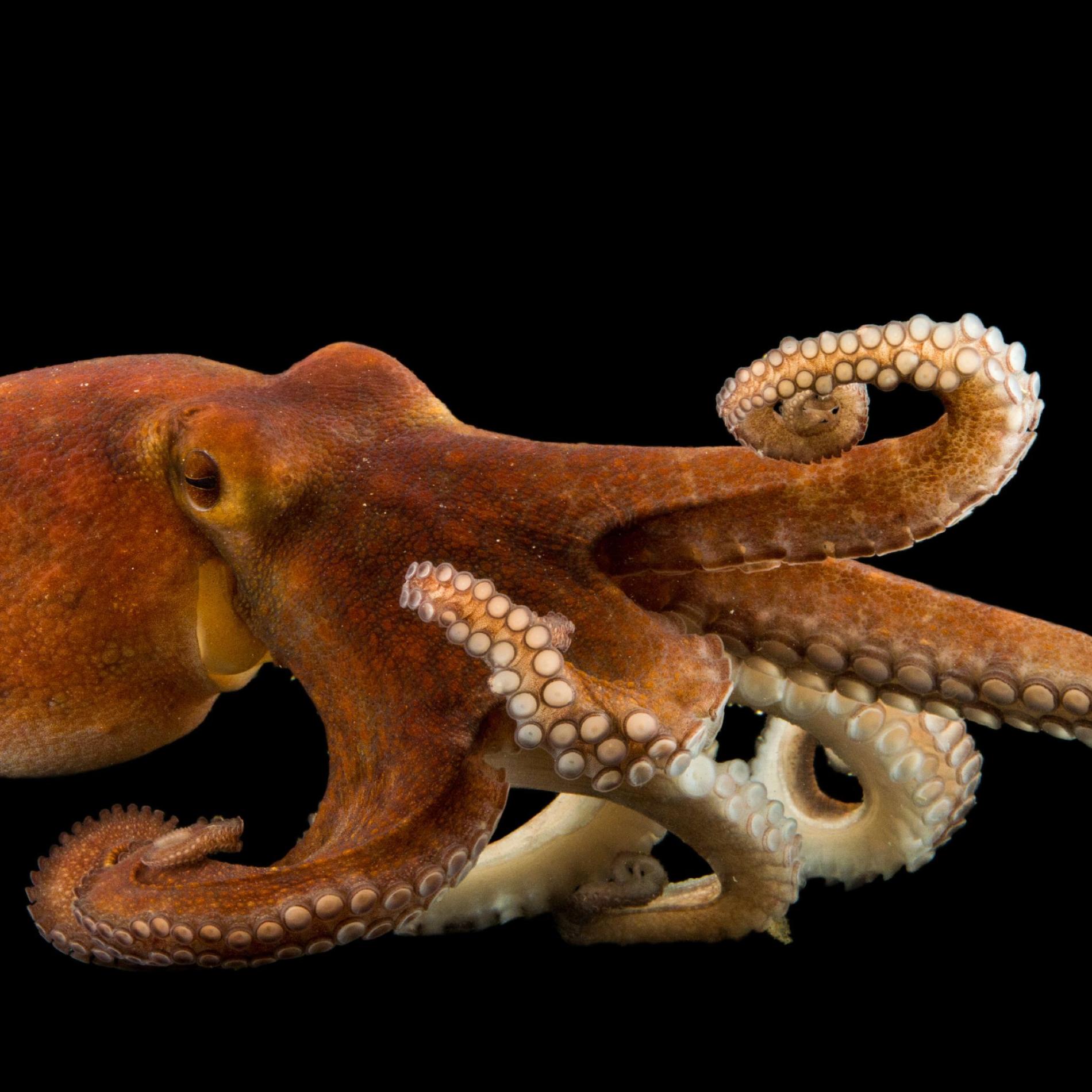
Which of the following is an endangered species in Malaysia?
Tapir
Sumatran rhinocerous
Mouse deer
Rabbit
The following are some vertebrates, EXCEPT
turtle
snake
corals
bird
Invertebrate with segmented body is_____________
tapeworm
snail
sponge
planaria
The following are characteristics of fish, EXCEPT
lay eggs
breathe through gills
undergo internal fertilisation
have fins
Bird are homeothermic.
True
False
The following are mammals, EXCEPT
ptatypus
dolphin
whale
snake
Dicotyledons have fibrous root.
True
False
The following characteristics are true for amphibian, EXCEPT
covered with moist skin
undergo external fertilisation
give birth
live on land and in water
Reptiles breathe through lungs.
True
False
Mammals are covered with fur or hair.
True
False
The following are some dicotyledonous plant, EXCEPT
durian tree
maize plant
tomato plant
chilli plant
Biodiversity is a priceless treasure and a legacy of nature which should
be preserved. Choose two importance of biodiversity.
Recreational places
To maintain the water level in the atmosphere
Medical
To classify organisms
A __________________ is a method used by biologists to identify and classify organisms systematically
based on similarities and differences.
dolphin key
dicotyledon key
dictionary key
dichotomous key
Which animal has fins?
Chicken
Pomfret
Lion
Snake
What is the similarity between salamander and clownfish ?
Both are covered with moist skin
Both are poikilothernic
Both undergo internal fertilisation
Both live on land
Plants are classified as non-flowering and flowering plants. Which of the following is flowering plant?
Moss
Fern
Durian tree
Conifer
The methods of biodiversity conservation can be classified as in situ conservation and ex situ conservation. Which statement below best describe ex situ conservation?
Preserves the species outside of their natural habitat such as in zoos and botanical parks.
Preserves the species within their natural habitat such as in national parks, permanent forest reserves and marine parks.
Invertebrates are animals without a backbone.
YES
NO
Horseshoe crab, eel and centipede are vertebrates.
YES
NO
Paddy plant is an example of flowering plants. Choose one characteristic of paddy plant.
Has woody stem
Has leaves with parallel veins
Has tap root
Consist of two cotyledons
What is vertebrates?
Vertebrates is a animal with backbone.
Vertebrates is a animal without backbone.
A food chain must start with a ___________
producer
primary consumer
secondary consumer
tertiary consumer
Green plants convert light energy into________ energy.
kinetic
chemical
heat
Secondary consumers are herbivores.
True
False
The size of tertially consumer is usually bigger than secondary consumer,
True
False
Water is released into atmosphere by plants is known as ________________
combustion
transpiration
photosynthesis
The process which absorbs carbon dioxide is________________
respiration
photosynthesis
decomposition
A _____________ is a few populations of different organisms that live together in one habitat and have mutual interaction with one another.
species
population
community
ecosystem
Which of the following interaction is mutualism?
sea anemone and clown fish
tiger and zebra
remora fish and shark
tapeworm and human
Prey is eaten by predator.
True
False
The bird's nest fern and trees is_______________
mutualism
commensalism
parasitism
prey-predator
The following are the benefits of biological control, EXCEPT
does not cause pollution
environmental friendly
expensive
The following are the steps to solve the effects of human activities on the environment, EXCEPT
enforce laws
use biological controls
illegal logging
increase public awareness

