
NEW
Font size
 Worksheets
Periodic Table of the Elements
Total questions: 30
Worksheet time: 38mins
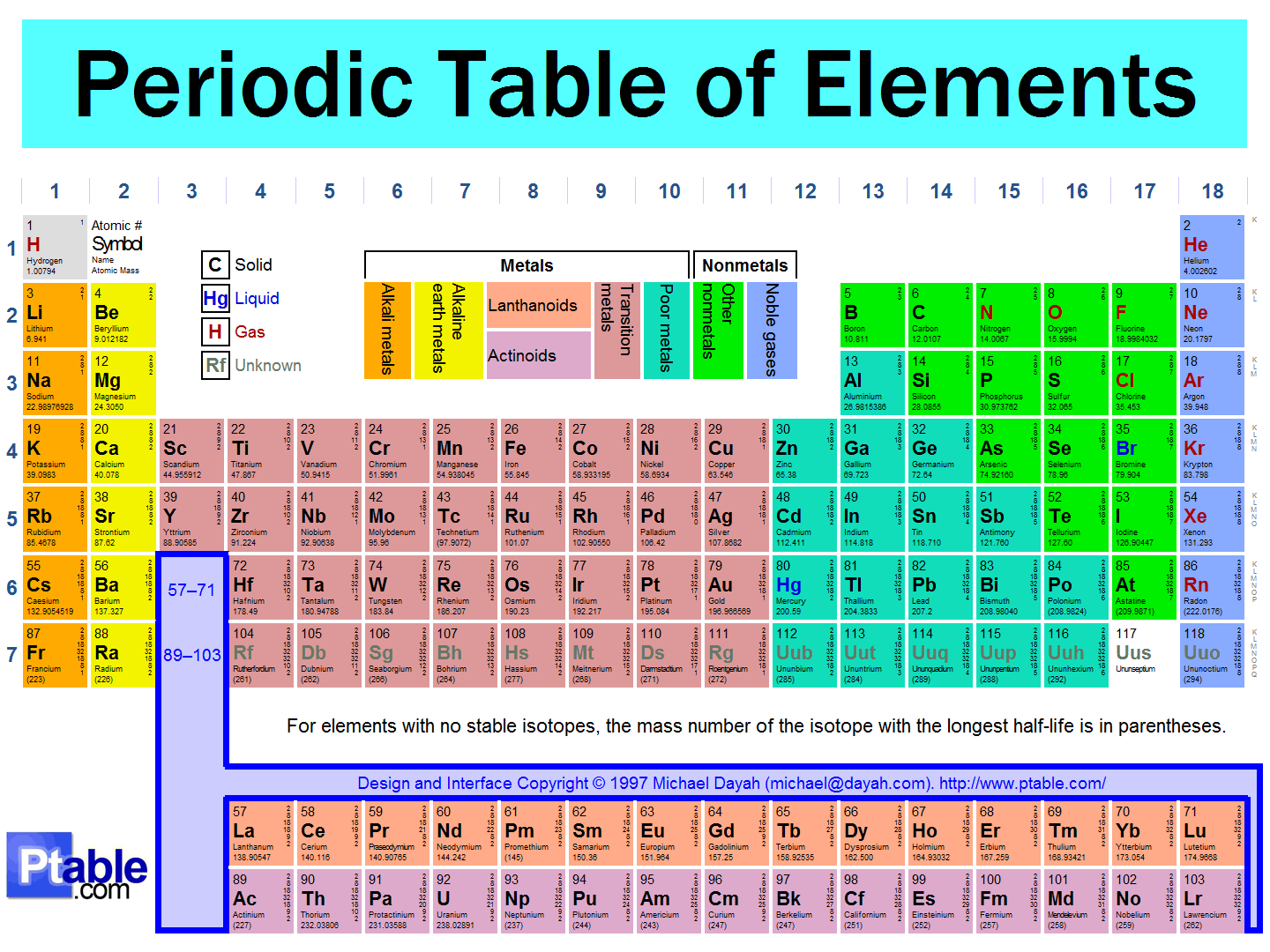
The horizontal rows on the periodic table are called
groups
families
periods
atomic numbers
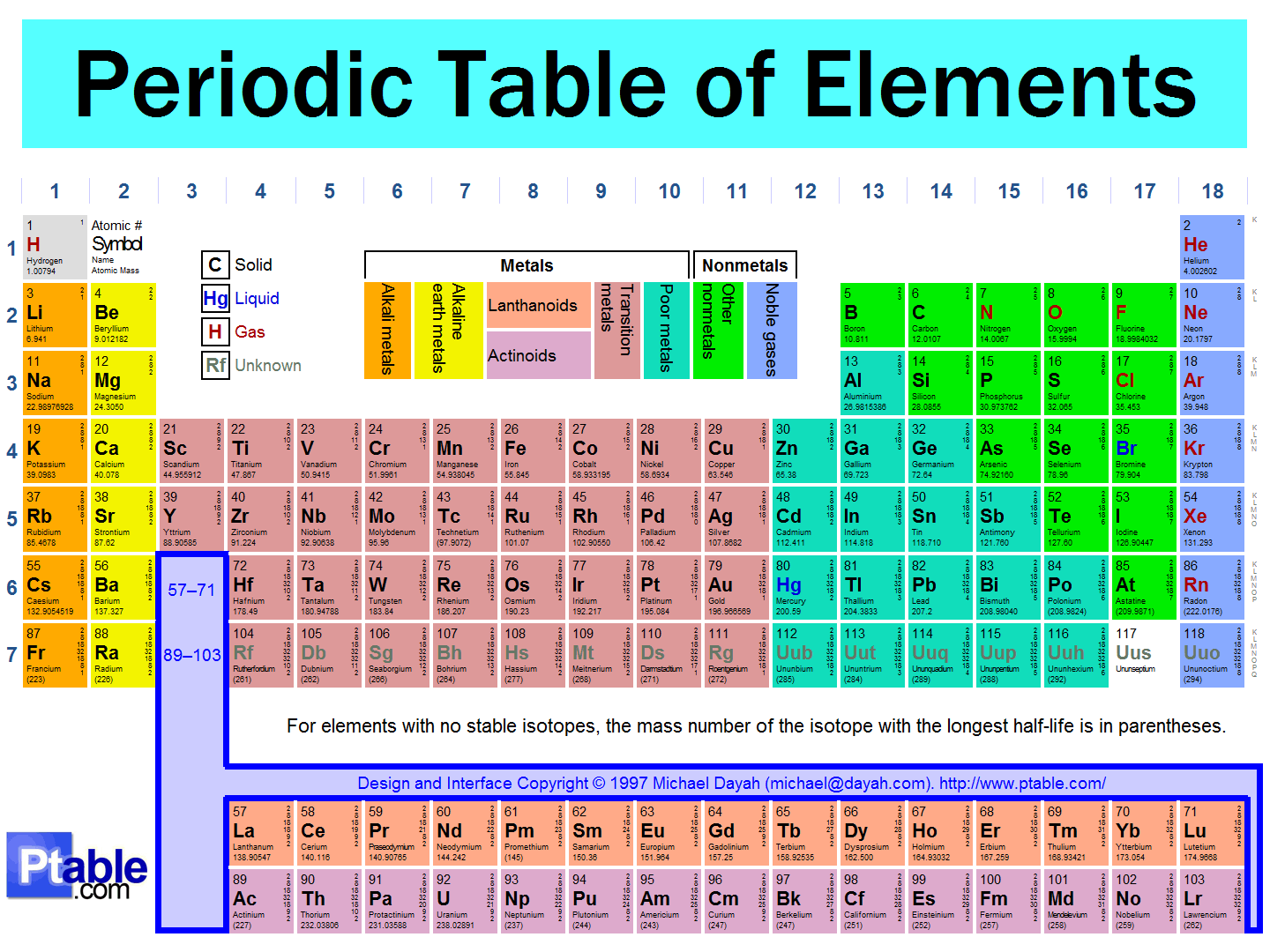
Each vertical column on the periodic table is called a...
group
tower
period
crew
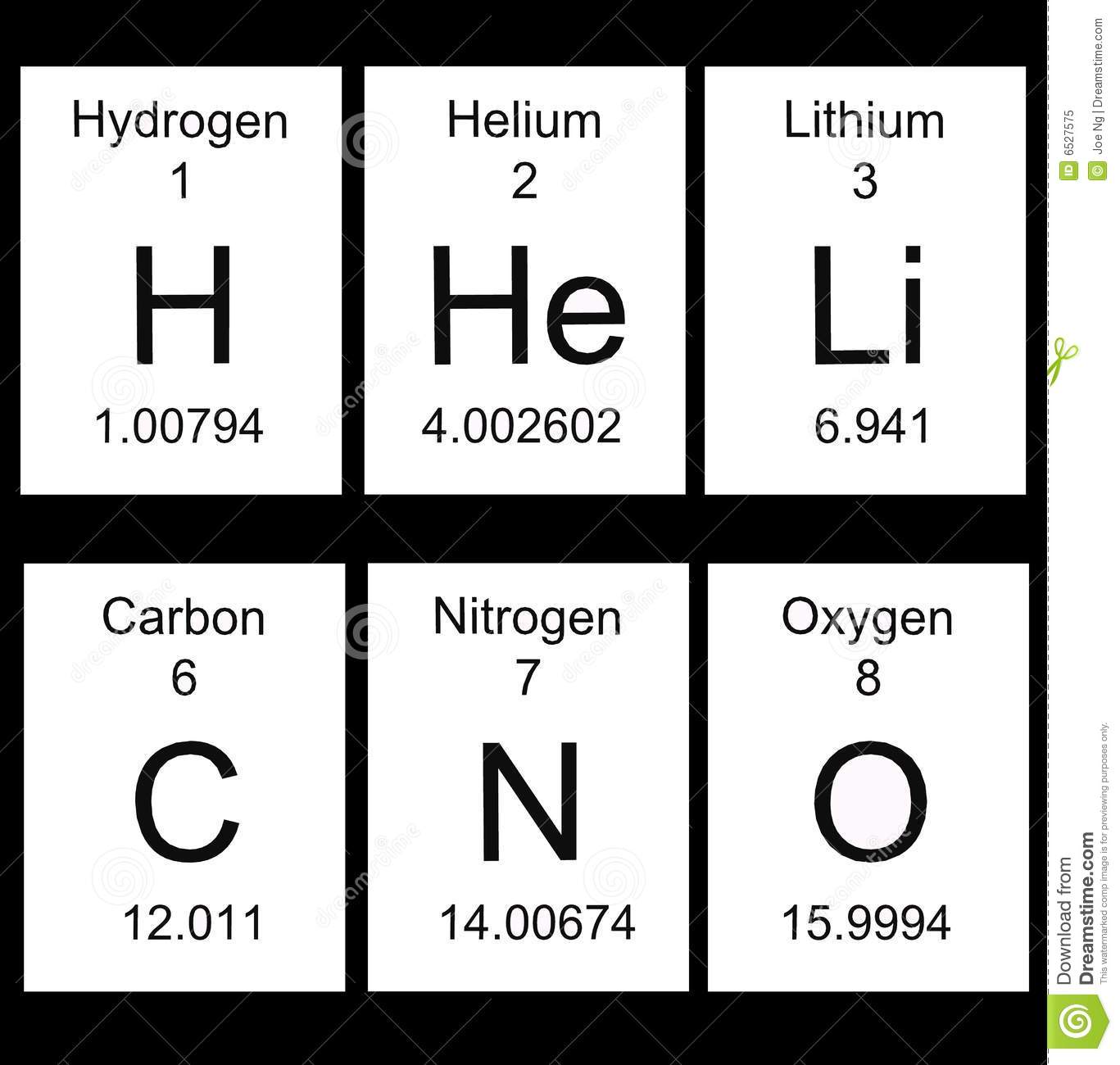
In each square of the periodic table, the number at the bottom is the:
atomic number
atomic mass
chemical symbol
element name
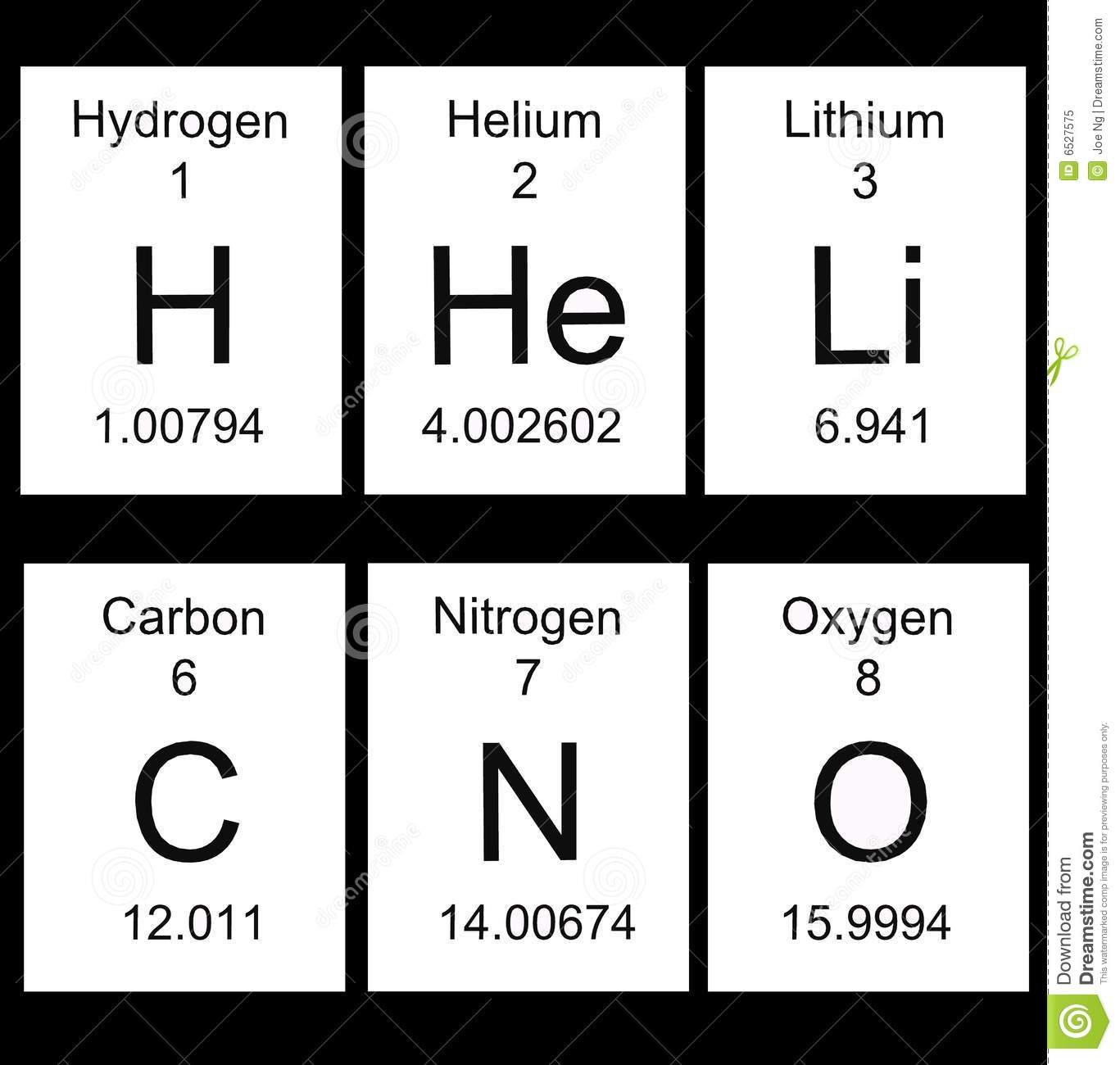

On the periodic table, elements on the right side of the "stair-step" line are classified as:
nonmetals
metals
gases
Halogens

The atomic mass of an element is:
the amount of electrons the element has
the element's size
the number of protons and neutrons an element has in its nucleus
the element's name
The atomic number is the
average mass of the element
number of protons an element has
number of valence electrons an element has
group and period an element belongs to

Elements in the same group or family have the same number of
neutrons
valence electrons
electrons
energy levels

Electrons...
are found in the nucleus
give us the atomic number of an element
are how we identify each elements
have a negative charge

In an element box, the number at top is the
atomic number
atomic name
atomic mass
atomic symbol
The number of neutrons in an atom can be found by
adding the number of neutrons and protons together.
adding the atomic mass and the atomic number.
subtratcting the atomic number from the atomic mass.
subtracting the atomic mass from the atomic number.

___________________ are positively charged particles located in the nucleus of an atom.
Electrons
Neutrons
Protons
Isotopes
Isotopes are atoms of the same element with different numbers of
electrons
neutrons
protons
nuclei
Elements on the Periodic Table are ordered according to their
element name
element symbol
number of atoms
atomic number

Rows in the Periodic Table are called
Periods
Groups/Families
Cousins
Metals

Column in the Periodic Table are called
Periods
Groups/Families
Cousins
Metals


The chemical symbol in this element box is
26
Fe
Iron
55.845


