
Font size
 Worksheets
FOSS Water and Climate Unit
Total questions: 46
Worksheet time: 39mins
What climate area is located in the North and South Poles?
Polar
Subarctic
Temperate
Tropical
What climate area is located around the Equator?
Polar
Desert
Temperate
Tropical

Which graph shows weather in New York City, New York, USA in July?
Graph A
Graph B
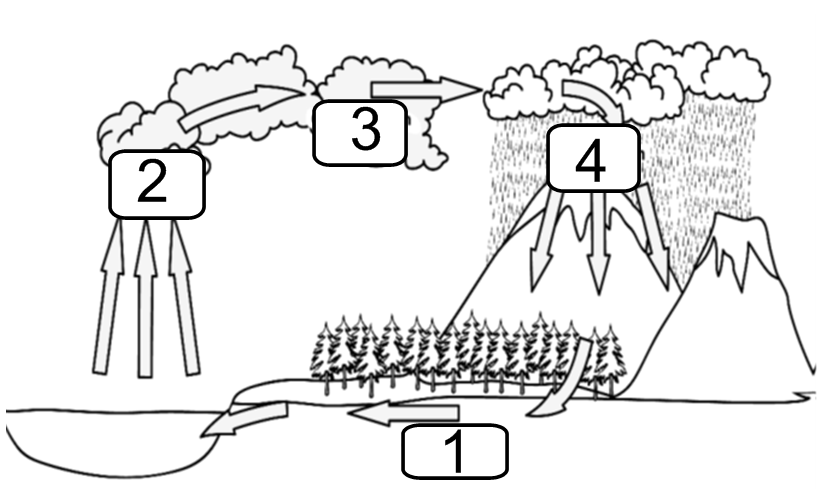

What does the #4 show in the diagram?
condensation
evaporation
precipitation
run off

What does this tool measure?
wind direction
wind speed
air temperature
humidity
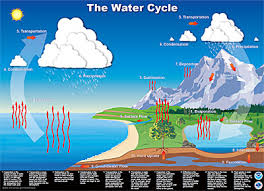
What is it called when liquid changes into gas?
evaporation
condensation
water
water vapor
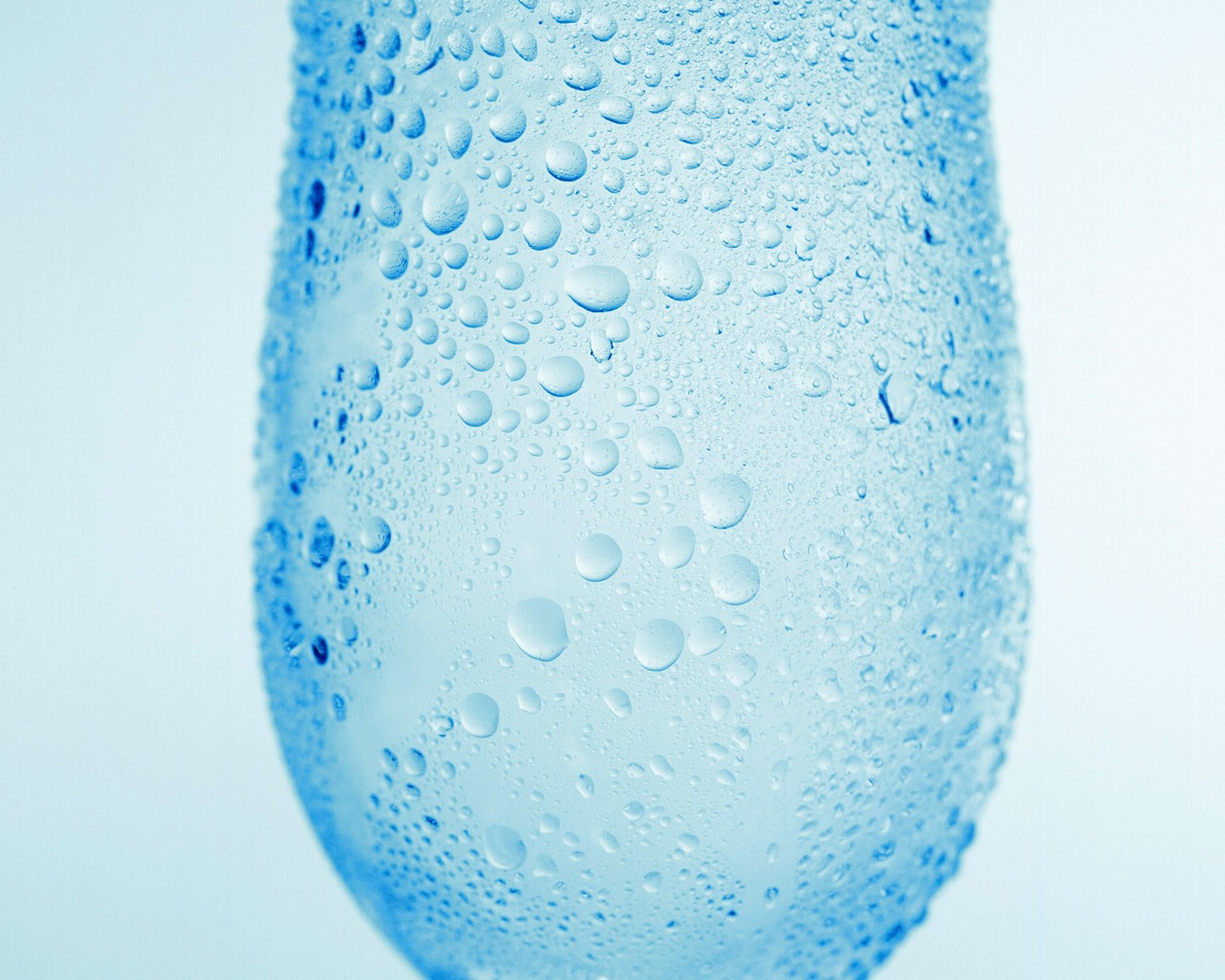
What are the 3 states of water found on Earth?
solid, liquid & gas
oceans, lakes & streams
evaporation, condensation, precipitation
rain, sleet & hail
Evaporation occurs when water changes into _____.
transpiration
snow
solid
vapor


The movement of water from the Earth's surface into the air and back to the surface again is called ____.
The Wind Cycle
The Water Cycle
The Weather Cycle
The Winter Cycle


Which direction does water move?
side to side
up
downward
backwards
Does a towel absorb water?
Yes
No
What percentage of the planet's water is salt water?
98%
97%
75%
25%
How does a water strider stay on top of water?
gravity
force
surface tension
magic
Paper towels ___________ water.
flood
absorb
drain

A wind vane measures
wind strength
wind direction

A rain gauge measures...
temperature
precipitation
balance
wind direction
When water turns from a liquid to a solid it is...
freezing
melting
evaporating
condensing
an object will sink if it is placed in water. this means it is ________ than water.
more dense
less dense
an object will float if it is placed in water. this means it is ________ than water.
less dense
more dense
contract
to get smaller; to take up less space
to get bigger; to take up more space
expand
to get smaller; to take up less space
to get bigger; to take up more space
float
to go under water as a result of being more dense than water
to stay on the surface of water as a result of being less dense than water
Sink
to go under water as a result of being more dense than water
to stay on the surface of water as a result of being less dense than water

Looking at the pattern shown in this chart, what is the most likely the air temperature at 3:00pm?
17 degrees C
12 degrees C
2 degrees C
9 degrees C
When the liquid in the thermometer cools, it ____________.
expands
contracts
When the liquid in the thermometer heats up, it __________.
expands
contracts
Hot water will __________ in room temperature water because it is ______________ than the room temperature water.
sink, less dense
float, more dense
float, less dense
sink, more dense
Cold water will __________ in room temperature water because it is ______________ than the room temperature water.
float, more dense
sink, less dense
sink, more dense
float, less dense
Engineers design electric power plants that use moving water to turn big turbines that generate electricity.
Which would be the best place to locate the power plant?
next to a slow moving river
at the top of a waterfall
at the bottom of a steep river
next to a lake

Study the chart. Select the answers that are true (there is more than 1 true).
Most of Earth's water is in the ocean.
Most of Earth's fresh water is in snow and ice.
30% of freshwater is in river and lakes.
There is more freshwater in rivers and lakes than groundwater.
Some children got into a car one morning. The temperature outside was 0°C. The car windows were clear and dry. Soon the car windows got “fogged up” on the inside of the car.
What caused the water to appear on the inside of the windows?
The glass and the humid breathing were both cold.
The glass was colder than the humid air from breathing.
The glass was warmer than the humid air from breathing.
The glass and the humid air from breathing are the same temperature.

Using the map and the table, predict what weather will most likely happen next in Philadelphia.
Sunny and 5°C
Rain and 10°C
Snow and 5°C
Snow and –3°C
A gardener in North Dakota left a hose outside all winter. Winter temperatures are often below 0°C. In the spring, when the temperature went above 0°C, the gardener discovered a leak in the hose.
What is the most likely explanation for what caused the leak?
The plastic hose froze and became brittle.
The air in the hose expanded and broke the hose.
The water in the hose contracted when the temperature went below 0°C.
The water in the hose expanded when it froze.

The charts below show the weather in Butte, Montana, and Miami, Florida, for a week in January. (Temperatures are in °C.)
Choose all the true statements.
The climate in Butte is colder than Miami.
The weather in Miami is usually cooler than it was this January.
It is most likely to snow in Butte than Miami in January.
The climate in Butte was warmer than it usually is in January.

