
 Worksheets
CHAPTER 9 F2: EARTH
Total questions: 58
Worksheet time: 38mins
Earth's surface is formed by 2 processes known as ..
Exergonic and endergonic
Exogenic and endogenic
Exothermic and endothermic
Exosystem and endosystem
• Happen on Earth's surface
• EXamples are weathering, erosion, mass and land depletion, transport and sedimentation
Process above is referring to ....
Endogenic
Endegonic
Exogenic
Exegonic

The weathered or corroded materials are moved by the agents such as running water, waves and glaciers.
This process refers to ...
Weathering
Erosion
Mass and land depletion
Transport and sedimentation
Exogenic processes are ...
Mantle convection
Earth's crust movement
Erosion
Magma activity

Diagram above shows an exogenic process known as ...
Weathering
Erosion
Mass and land depletion
Transport and sedimentation

The weathered and corroded materials in the process above were moved by ...
I. Running water
III. Wind
III. Waves
IV. Glaciers
I and II
II and III
I,II and III
I, II, III and IV

The exogwnic process above known as ...
Weathering
Erosion
Mass and land depletion
Transport and sedimentation

Diagram shows a process of rock fragmentation and decomposition. It is known as
Erosion
Weathering
Mass and land depletion
Transport and sedimentation
Weathering is a process of rock fragmentation and decomposition or decay due to changes in ..
I. Temperature
II. Rainwater
III. Frosting
IV. Microorganisms
I and II
II and III
I, II and III
I, II, III and IV
The process is causes by forces from within the Earth.
This statement refers to ..
Exogenic
Endogenic
Exothermic
Endothermic
Examples of endogenic processes are ...
I. Mantle convection process
II. Earth's crust movement ( plate tectonics)
III. Magma activity
IV. Weathering
I, II
I, II, III
I,I,II, III and IV

Diagram above refers to ...
Endogenic process
Exogenic process
Exothermic process
Endothermic process

Diagram shows Earth's crust movement.
This is example of ...
Endogenic process
Exogenic process

Diagram refers to..
Mantle convection process
Earth's crust movement
Magma activity
Mantle conduction process
It is a vent on the Earth's crust that allows molten and hot magma to flow out through it in a strong eruption.
This process reters to
Mantle convection process
Earth's crust movement
Magma activity
Contains minerals that are very useful for human life
Geosphere
Hydrosphere
Atmosphere
Biosphere
Supplies food sources such as fish, squids and shrimps
Geosphere
Hydrosphere
Atmosphere
Biosphere
Contains ozone and absorbs the harmful rays from the sunlight
Geosphere
Hydrosphere
Atmosphere
Biosphere
The components interact with each other to maintain a balance of oxygen and carbon dioxide
Geosphere
Hydrosphere
Atmosphere
Biosphere
Formed from cooling and solidification of magma and lava
Igneous rocks
Metamorphic rocks
Sedimentary rocks
Formed from sediment deposition of rock fragments, remains of plants and animals
Igneous rocks
Metamorphic rocks
Sedimentary rocks
Caused by high temperature and pressure
Igneous rocks
Metamorphic rocks
Sedimentary rocks
The Earth's surface folds forming peaks and valley
Endogenic
Exogenic
Erosion on Earth's surface by wind and water
Endogenic
Exogenic
Volcanic eruption
Endogenic
Exogenic
Formation of sand dunes in the desert by sand storm
Endogenic
Exogenic
Beach becomes steep due to coastal erosion
Endogenic
Exogenic
Gases that causes acid rain
Carbon dioxide
Sulphur dioxide
Carbon monoxide
Oxygen
Metals minerals
Aluminium
Copper
Gold
Carbon
Silicon
Non-metals minerals
Aluminium
Copper
Sulphur
Carbon
Silicon

According to the diagram, what will form when sedimentary rock is exposed to heat and/or pressure?
magma
igneous rock
sediments
metamorphic rock
Because we rarely witness dramatic changes in the Earth, we can conclude that the Earth is not changing very much.
True
False
Sudden shaking or vibration of the Earth's crust is commonly called landslide.
True
False
Endogenic force is the force within the Earth that causes the ground to move.
True
False
Fault line is the break in rock during the faulting process.
True
False
The Experts who study the pattern of the Earthquakes are called ...........................
Scientists
Seismologists
Artists
Geologists
Which activity in a river erodes the landscape?
growth of weeds
boating
swimming of humans
running water
Which of the following agents carry eroded material to form new land-forms?
trains & aeroplanes
people & buildings
water & wind
The following are the agents of erosion EXCEPT:
Gravity
Ice
Soil
Wind
Debris flow is characterized by the chaotic movement of rocks, soil and debris mixed with water.
True
False


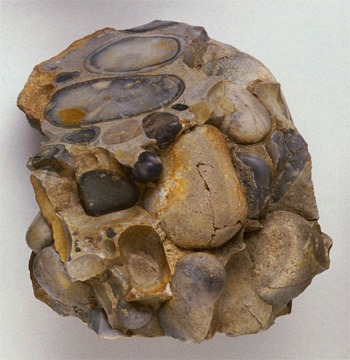
As lava cools and crystallizes, what type of rock will form?
Sedimentary
Metamorphic
Extrusive Igneous
Intrusive Igneous

Which of the following is NOT a slow change to Earth's surface?
weathering
erosion
deposition
a landslide
What is the process of moving sediments from location to another?
mantle convection
Erosion
Weathering
Compaction

