
 Worksheets
Homeostasis
Total questions: 24
Worksheet time: 8mins
A large amount of glucose in James urine was detected. A 2nd test two day later showed the same results. What disease does this indicate James may have?
anemia
diabetes
hepatitis
sickle cell anemia

The diagram shows a kidney and its blood vessels.
In the healthy person, which structure transport glucose?
artery only
artery and ureter
artery and vein
ureter and vein

The graph shows the results of blood test for glucose of two person, P and Q. What is the difference between the maximum blood glucose concentration of P and Q?
25 mg/100 cm2
75 mg/100cm3
100 mg/100cm3
125 mg/100cm3

The diagram represents glucose metabolism in the body.
What hormone is X?
adrenaline
insulin
oestrogen
testosterone

The diagram show blood vessels in the skin under two different conditions.
Which statement correctly describes diagram P? It shows:
a response to hot temperature
that the hairs are raised
vasoconstriction
vasodialation
What processes takes place in the body of a runner at the end of a marathon race?
sweating and vasodilation
sweating and vasoconstriction
vasoconstriction
vasodilation

The diagram illustrates the process of temperature regulation in a mammal.
Which process is occurring at S?
sweating
urinating
vasoconstriction
vasodilation

Calculate the difference between the minimum and maximum glucose concentration over 12 -hours?
(a)

Calculate the length of time it for which the blood glucose was at or above 80mg per 100cm3
(a)
Name the hormone responsible for the fall in blood glucose concentration between 14:00 and 15:00.
(a)
Name the organs which work together to bring about the decrease.
(a)
Name the disease that prevents a person from regulating their blood sugar level.
(a)
Explain why we should drink more water on a hot day than on a cold day.
(a)
Why is important for the body to maintain a close to normal temperature
(a)
During child birth a woman's body over produces a hormone called oxytocin until the baby is born. What kind of feedback loop would this be?
Negative Feedback Loop
Positive Feedback Loop
Neutral Feedback Loop
Linear Feedback Loop
The 4 parts of the communication pathway to maintain homeostasis listed in order are:
target, sensors, control center, communication system
communication system, sensors, target, control center
sensors, control center, communication system, target
target, control center, sensors, communication system
Messages from the brain are sent to either the nervous system (muscles) or the endocrine system (hormones), what are they referred to as?
sensors
target
Communication System
Control Center
Osmoregulation means....
maintain water levels
maintain temperature
maintain heart rate
maintain breathing
Positive Feedback loops are...
Counteract changes that move above or below set values.
more common
regulate body temp
Purposeful pushes above normal set values.

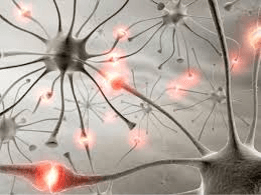
Why does a nerve cell look different from a circular red blood cell?
There is no connection between shape and function
Cells all look exactly the same
Cells are shaped differently according to their function. A nerve cell needs long arms for communication.
All cells have the same exact job
The group of organisms that use the process of homeostasis includes
mammals, only
animals, only
plants and animals
all living things
Which of the following statements about changes in blood glucose are true?
Eating carbohydrates increase blood glucose level
Increase blood sugar level is monitored by the liver
Exercising increases blood glucose levels
Blood glucose level is monitored by the Pancreas
Where are changes (increase/decrease) in blood glucose levels detected?
Liver
Pancreas
Hypothalamus
Blood

