
 Worksheets
solid liquid and gases
Total questions: 26
Worksheet time: 20mins
Name
Class
Date
1.

Is this a solid, liquid or gas?
a)
Solid
b)
Liquid
c)
Gas
2.
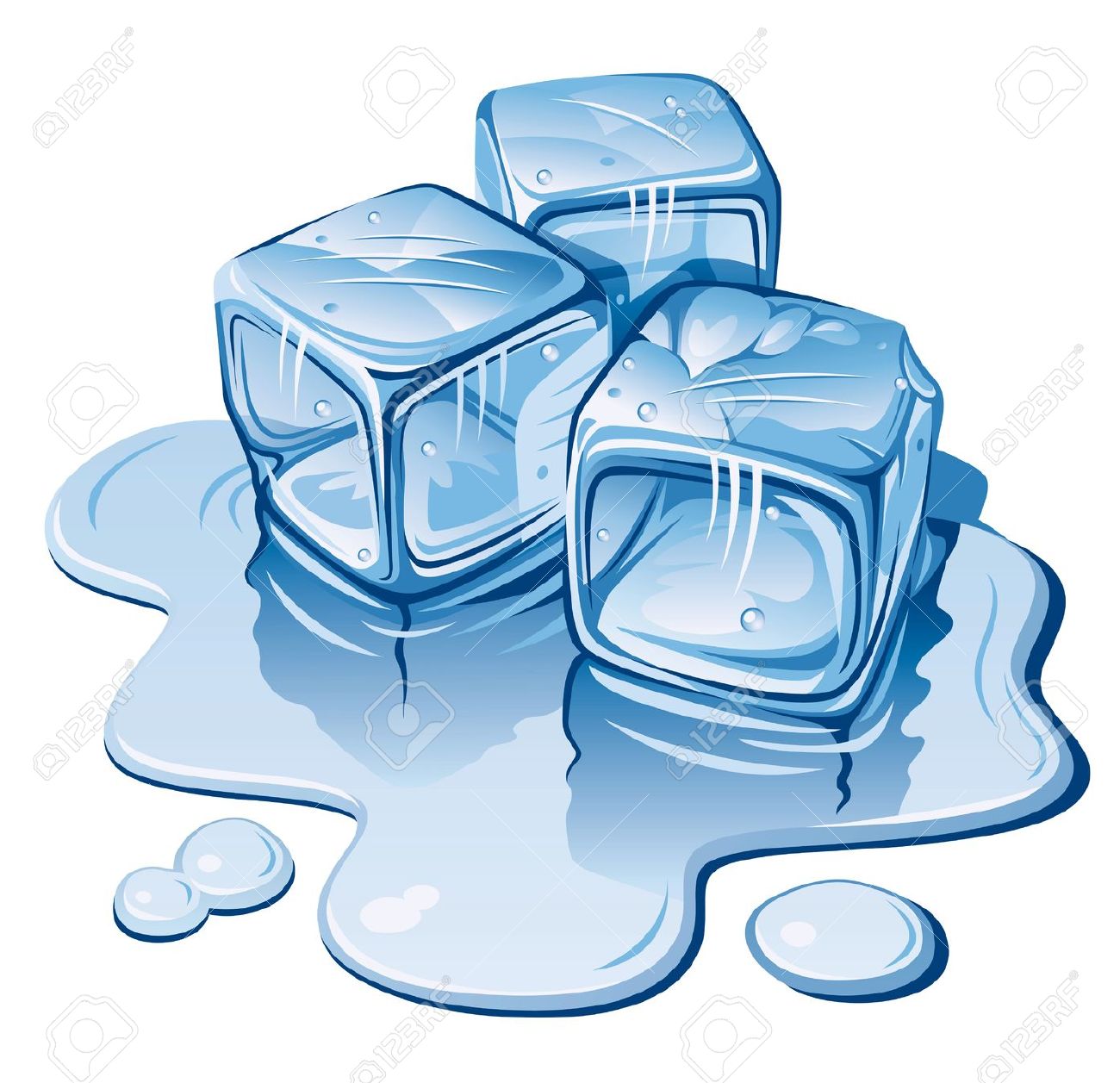
This ice cube is changing from a solid to a ______?
a)
Solid
b)
Liquid
c)
Gas
3.

This water is changing from a liquid to a ________?
a)
Solid
b)
Liquid
c)
Gas
4.
What happens when the motion of particles slows?
a)
The particles split.
b)
The particles move further apart.
c)
The particles move closer together
d)
The particles no longer move randomly.
5.
Which phrase best describes the particles in a solid?
a)
not moving
b)
very far apart
c)
vibrating in place
d)
able to slip past one another
6.
A solid has ________ and a definite volume.
a)
a definite shape
b)
a definite volume
c)
no definite shape
d)
no definite volume
7.
Measure of the average kinetic energy of the particles in an object
a)
thermal energy
b)
temperature
c)
kinetic energy
8.

Matter with no definite shape or volume.
a)
solid
b)
gas
c)
liquid
d)
plasma
9.
Matter that has a definite shape and volume.
a)
solid
b)
gas
c)
liquid
d)
plasma
10.

Matter that has definite volume and no definite shape.
a)
solid
b)
gas
c)
liquid
d)
plasma
11.
Matter in which the particles are free to move in all directions.
a)
solid
b)
gas
c)
liquid
d)
plasma
12.

Most matter does this when heated.
a)
expands
b)
solidifies
c)
contracts
d)
does not change
13.

The glass in the first picture had the temperature shown. About fifteen minutes later, it had the new temperature as shown in the second picture. What happened to the glass during that fifteen minutes?
a)
Someone put the glass outside on a warm day.
b)
Someone put the glass next to a hot stovetop.
c)
Someone put the class in the freezer.
d)
Nothing happened to the glass
14.

The thermometer shows the temperature of Cindy's soup. What is the temperature of her soup in degrees Fahrenheit?
a)
30
b)
86
c)
90
d)
84
15.
____ is matter that has a definite shape and takes up a definite amount of space.
a)
Solid
b)
Liquid
c)
Gas
16.
What are three common phases of matter?
a)
solid, liquid and gas
b)
atom, element and molecule
c)
mixture, solution and compound
d)
mass, volume and temperature
17.
A __________ is used to measure mass.
a)
balance
b)
thermometer
c)
beaker
d)
meter stick
18.
Scientists most often measure the volume of a fluid in __________.
a)
milliliters and liters
b)
degrees Celsius
c)
millimeters, centimeters, meters and kilometers
d)
grams and kilograms
19.
Compress means to __________.
a)
flatten by pressure
b)
increase temperature
c)
melt
d)
decrease mass
20.
Solids __________.
a)
take the shape of their container
b)
have a fixed shape
c)
are compressible
d)
have particles that flow easily
21.
Gases __________.
a)
have a fixed shape
b)
are easily compressed
c)
have particles that do not flow easily
d)
have a definite volume
22.
How do gases move?
a)
They flow into any container.
b)
The keep their shape and are rigid.
c)
They vibrate and move freely at high speeds.
23.
Which of these will flow and fill up any shape of container?
a)
solid
b)
liquid
c)
gas
d)
cats
24.
Which of these is the right word for the process of turning a solid into a liquid?
a)
Boiling
b)
Melting
c)
Condensing
d)
Evaporating
25.
When you squeeze a sponge under water, what are the bubbles that escape?
a)
Pieces of sponge
b)
Air coming from the spaces in the sponge
c)
Water
26.
Which of these is true?
a)
Solids hold their shape.
b)
Liquids hold their shape.
c)
Gases hold their shape.
d)
Penguins eat pineapples.
100 %

