
 Worksheets
The Matter, Mixtures and Changes of State
Total questions: 29
Worksheet time: 20mins


There are two types of mixture
Magnetic and separation
Decantation and filtration
Heterogeneous and homogeneous
Heteregeous and evaporation
If we dissolve salt in water and heat the water, it becomes a vapour and leaves the salt. This is called
Decantation
Evaporation
Filtration
Distillation
Matter existin three main states...
Reversible, irreversible and volume
Mass, density and volume
Solid, liquid and gas.
Physical, chemical and irreversible
Filtration and evaporation are...
A mixture of two substances.
A homogeneous mixture.
Methods to separate the components of mixtures.
A physical combination.

What is this separation method?
Evaporation
Filtration
Separating funnel
Distillation

This separation method is called...
Magnetism
Filtration
Distillation
Evaporation

What is the name of this separation method
Evaporation
Distillation
Paper Chromatography
Separating Funnel

Which method can you use to separate sand and iron filings?
Distillation
Magnetism
Filtration
Evaporation
What is the filtration method used for?
To separate a liquid from a gas
To separate a liquid from a solid
To separate a liquid from a liquid
To separate a solid from a solid
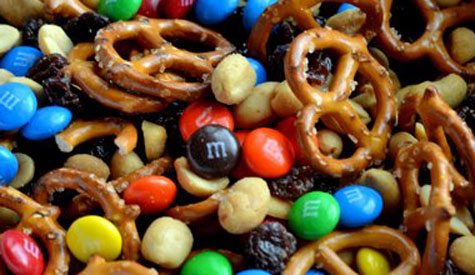

Matter is classify in...
Elements & Compounds
Homogeneous & Heterogeneous
Colloids & Suspensions
Pure substances & Mixtures

Acetona´s fusion and boling point are -95°C AND 56°C respectively. Look at the following graph and heating curve and answer: what is the state of this substance at 0°C?
Solid
Liquid
Gas
Plasma.
Indicate if the following statements are true (T) or false (F): An excess of carbon dioxide causes an anormal increase in the greenhouse effect triggering a chance in the climate on a global level
TRUE
FALSE
Solids
have a definitive shape and have a definitive volume
have a definitive shape and don't have a definitive volume
We use this process to change water from a liquid to a solid
freezing
melting
evaporating
We use this process to change water from a solid to a liquid.
freezing
melting
evaporating
We use this process to change water from a liquid to a gas
freezing
melting
evaporating

