
 Worksheets
Review for Test (Ch5)
Total questions: 54
Worksheet time: 50mins
the measurement of the force of gravity on an object
mass
speed
weight
motion
speed with a direction
motion
velocity
acceleration
distance
the capacity necessary to do work; controls the amount of change that can occur within a system
speed
joule
momentum
energy
energy of motion
kinetic energy
potential energy
movement
work
energy cannot be created or destroyed, only transferred
Law of conservation of matter
Law of conservation of energy
Law of energy transfer
Law of the universe
the standard international unit for energy
newton
joule
kilogram
m/s/s
speed up, slow down, change direction
speed
motion
movement
acceleration
Kinetic energy is...
energy carried in ultraviolet waves
energy stored in food
energy in motion
energy from splitting an atom
What two factors affect an object's kinetic energy?
area and volume
mass and weight
weight and height
mass and speed
Mass and speed both affect the amount of kinetic energy an object has, but ____________ has a greater effect.
mass
speed
volume
weight
If all objects are moving as the exact same speed, which would have the greatest kinetic energy?
tennis ball
football
notebook
box of 20 textbooks


Energy stored because of gravity is called:
Gravitational Potential Energy
Kinetic Energy
Mechanical Advantage
Chemical Energy
How could you increase the gravitational potential energy of an object without changing its mass and gravity?
Make the object larger
Lower the object towards the ground
Raise the object farther off the ground
Allow the object to roll on the ground
Gravitational potential energy depends on the strength of gravity, ________ and ________ of the object.
height and mass
friction and movement
mass and movement
height and friction
Which of the following is the correct equation for calculating an object's gravitational potential energy?
PE = mgh
PE = mg / h
PE = mg + h
PE = gh
What is the value of the Earth's acceleration due to gravity (g)?
9.8 m/s2
100 m/s2
25 m/s2
3.14 m/s2
What is the gravitational potential energy (GPE) of a 1 kilogram book that is 1 meter above the ground?
g = 9.8 m/s2
9.8 Joules
1.0 Joule
0.10 Joule
11.8 m/s2
What is potential energy?
The energy an object has due to its position or condition.
The energy an object has due to its motion.
The energy an object has due to its chemical composition.
The energy as object has due to its atomic structure.

All of the pictures are examples of what type of energy?
gravitational potential energy
elastic potential energy
chemical potential energy
kinetic potential energy
Which object has elastic potential energy?
a hanging leaf
a burning coal
a rolling ball
a stretched bow

Energy

What force causes a roller coaster cart to slow down the most?
friction
weight
gravity
air resistance

Which form of energy is represented in this image?
kinetic
thermal
potential
radiant

What happens when the ball goes from the highest position to the lowest position
PE and KE increases and decreases together
Impossible to know without knowing the mass of the object
the PE decreases while KE increases

Identify the correct energy transformation for the image below.
Chemical --> Radiant --> Thermal
Sound --> Thermal --> Radiant
Kinetic --> Potential --> Sound
Electrical --> Sound --> Thermal

What is the energy transformation that occurs in an electric pencil sharpener?
mechanical energy → electrical energy
electrical energy → kinetic energy
radiant energy → sound energy
chemical energy → kinetic energy
Which object shows an energy transformation from electrical → kinetic → sound?


Which of the following energy transformations occur when a lamp that is plugged into a wall socket is functioning correctly?
Chemical → light
Electrical → chemical
Electrical → light
Chemical → electrical
What energy transformations take place when a battery-operated radio is in use?
Electrical → chemical → light
Sound → chemical → thermal
Chemical → electrical → sound
Light → electrical → thermal

A student listens to music with a digital music player, similar to the one shown below. Which best describes the energy transformations that take place in the music player?
Kinetic → chemical → electrical
Chemical → sound → electrical
Chemical → electrical → sound
Electrical → heat → sound


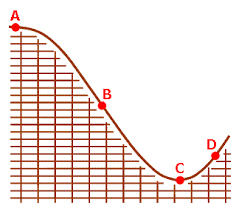
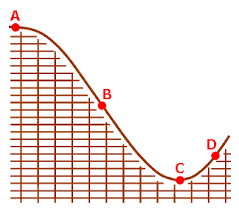
Water moving over a dam to move a generator?
A book falling?

