Worksheets
Unit 2 - Industrial Revolution/Economic Systems
Total questions: 16
Worksheet time: 1hrs 20mins
What were/was one of the main factors that lead to the industrial revolution?
The Commercial Revolution from 1500 to 1700
The Scientific Revolution and new advances in technology
The increase in the population of Europe
The political and social revolutions of the 19th Century
All of the above
What was the Enclosure Movement?
The closing or fencing off of land to raise animals (people were kicked off the land)
Opening of lands for more agriculture production
Mass movement to the cities
All of these
Farmers who were kicked off the land were forced to go where?
New farmland
Cities to look for work
Emigrate to the Americas
File lawsuit to stay on their land
Where did the Industrial Revolution begin?
Italy
New York
France
England
Why were cities horrible to live in during the industrial revolution?
Overcrowded and dirty/polluted
No job opporunities
Too many rich, wealthy people
None of the above
Which of the following is NOT a reason the Industrial Revolution began in England?
Not as much conflict/war, money spent on industry not war
financial institutions were in place, such as a central bank, to finance new factories.
Smaller country, travel was faster
England had an abundant supply of coal
Karl Marx believed that eventually the working class would...
elect union representatives
participate in local government
rise up and revolt against the owners of factories and the upper classes of society
demand pensions and disability insurance
An economic and political system in which a country's trade and industry are controlled by private owners for profit, rather than by the state (government).
Mixed economics
Bourgeoisie
Socialism
Capitalism
Laissez-faire capitalism as attributed to Adam Smith called for
heavy taxation of manufacturers
strict government control of the economy
minimal government involvement in the economy
government investments in major industries
During the Industrial Revolution, a new social and economic class that developed was the
serfs
rich, or the upper class
expanded lower class
middle class
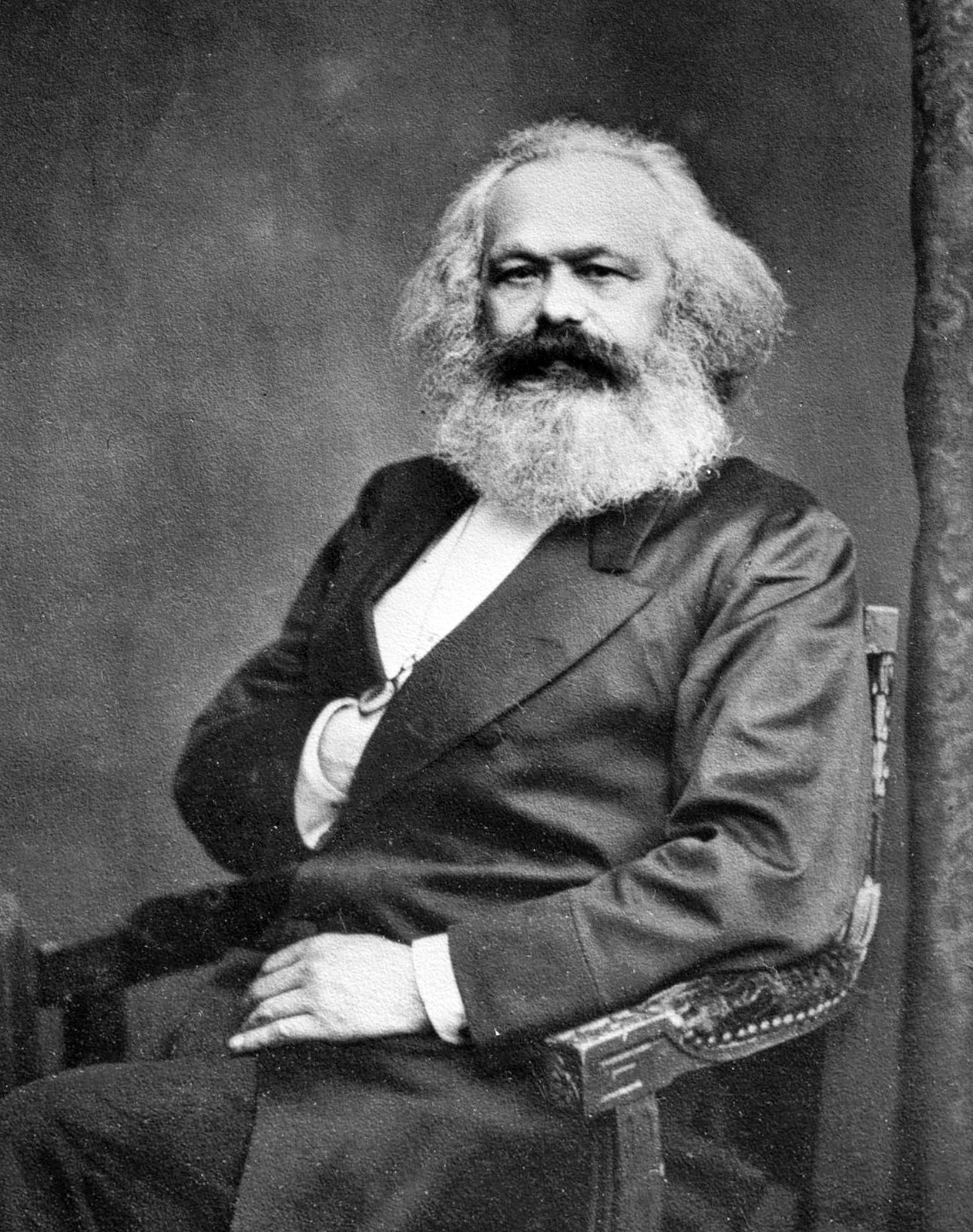
Karl Marx spelled out how he believed that workers would rise up against factory owners, outlining the basic principles of
capitalism
socialism
command economies
In which economic system is property is owned by the state?
Socialism
Capitalism
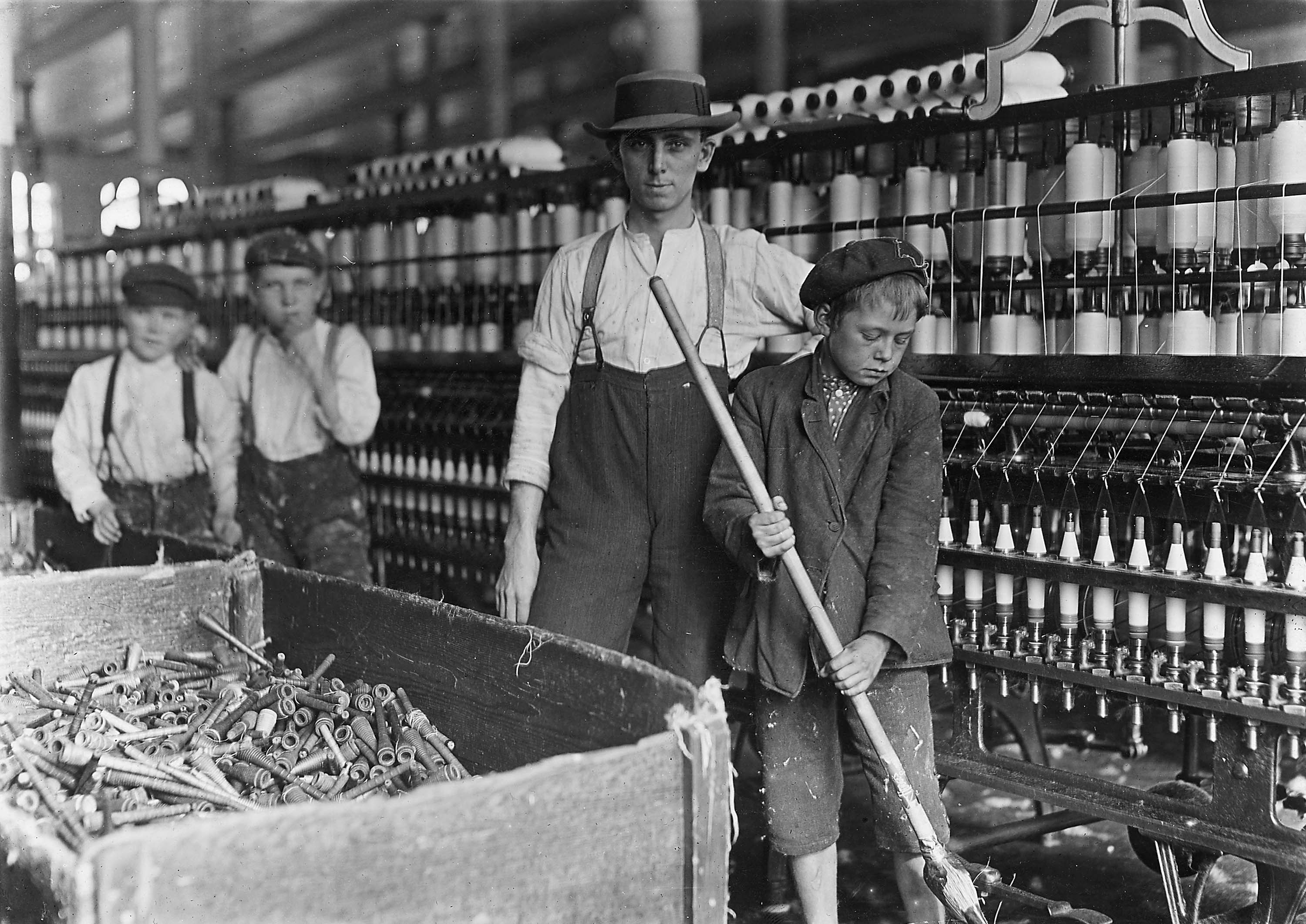
Children who worked in factories often:
Had less education
Became sick and injured
Worked for less pay than adults
all of the above