
 Worksheets
ESS3.1 Review Challenge
Total questions: 55
Worksheet time: 2hrs 50mins
Choose 2 answers: Which answer choices represent the best examples of conservation?
Purchasing certified lumber that comes from sustainable logging
Purchasing non-certified lumber
Volunteering to help at the zoo
Recycling items such as glass and paper products
A local rancher plants blueberry and blackberry bushes on her land so that deer and other native animal populations can still use the land. This is an example of…
Habitat fragmentation
Conservation
Habitat management
Species endangerment

Why should we resist strategies, such as fracking, to obtain energy?
Fracking can lead to loss of habitat and releases harmful chemicals into the ecosystem
Fracking is another word for habitat fragmentation
Fracking leads to an increase in biodiversity
Even though fracking does not occur locally, it endangers areas near the equator, such as the rainforest

What is one impact caused by the melting of glaciers and ice caps?
Sea levels will decrease because of warmer climates
There will be more freshwater available due to cooler climates
Sea levels will increase due to warmer climate changes
There will be less freshwater available due to cooler temperatures
How is the harvesting of exotic woods harmful for some ecosystems?
The removal of exotic wood species is beneficial, since many are invasive
It increases biodiversity, meaning that have more life than they can support
It increases the amount of habitat for many species
It creates loss of habitat for many species
Having a dry climate is a characteristic of which biome?
Deciduous Forest
Savannah
Tundra
Grasslands
Which set of biotic and abiotic factors would you expect to observe in the desert?
rich soil, deciduous trees, 50 inches of last year
Frozen soil, small plants-no trees, 30 inches of rainfall last year
dry soil, plants adapted to store water, 9 inches of rainfall last year
Poor soil quality, great biodiversity, 90 inches of rainfall last year

____________________ is the layer of soil that is frozen throughout the year due to extremely cold temperatures.
Permafrost
Deciduous
Lichen
Coniferous

Which abiotic factor is the main difference between freshwater and marine ecosystems?
Latitude- distance from the equator
Salinity
Fish species
Temperature

Biodiversity refers to…
variety of abiotic factors in an ecosystem
nonrenewable resources
the rate of species decline
the variety of species in an ecosystem

Which of the following is a list of natural resources?
Tables made from lumber
Pencils manufactured from lumber and graphite
Coal and gold mined out of the earth
Clothing made from cotton
Which of these describes a species that has become extinct?
fewer members of the species are dying than being born
more members of the species are dying than being born
very few members of a species are alive
all members of a species have died


What to carnivores eat?
Meat
Plants
Plants & Meat
Species that are in danger of becoming extinct are called __________.
endangered
not lucky
extinct
in a jam
Humans are causing extinction in which ways?
By over hunting animals for food or products.
By destroying the natural habitat of species.
By polluting the environments of the world.
All of the above.
What word do we use to describe a species which has no members still living?
endangered
extinct
Conservation is the act of conserving, or protecting the environment, plants, and animals. What are some things you can do to help conserve our environment?
leave water on, leave TV on, run dishwasher with 1 plate
run the washing machine with 1 shirt
leave the refrigerator door open
turn off water, turn off lights, turn off TV
Things found in nature that are useful to people.
natural resources
aquifers
reservoirs
deforestation

Replanting trees is an example of ___________.
Habitat fragmentation
Conservation
Habitat management
A resilient ecosystem…(2 answers)
Is able to recover from, or adjust easily to change.
Has less biodiversity due to invasive species.
Has been impacted by a natural disaster such as a tornado.
Is more likely to have greater biodiversity
Which is an example of an invasive species to Tennessee?
deciduous trees
zebra mussels
coniferous trees
white-tailed deer
What is the environmental variable that caused The Great Smoky Mountains to be less resilient during the 2016 fire?
Hurricane
Tornado
Drought
Earthquake
Which of the following is a list of natural resources?
coal, natural gas, books, tile
water, lumber, minerals, coal
rivers, deer, purses, shoes
rabbits, waterfalls, geothermal energy, socks
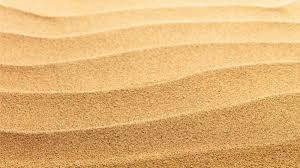
Which of the following is a biotic factor in a desert ecosystem
sun
cacti
water
sand
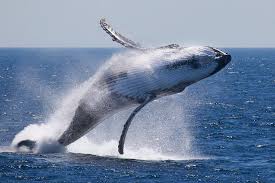
Which of the following is an abiotic factor in a marine ecosystem?
grass
whale
water
plankton

A __________________ is a type of animal that hunts other animals to eat.
prey
herbivore
predator
producer

The image below shows President Franklin D. Roosevelt dedicating The Great Smoky Mountains National Park in the year 1940. Many people sacrificed time and money to establish our national park. The establishment of The Great Smoky Mountains National Park is an example of…
Habitat management
Conservation
Species protection
Sustainable logging

What has a higher biodiversity: a rain forest or a desert?
Rain forest
Desert
They have a similar biodiversity
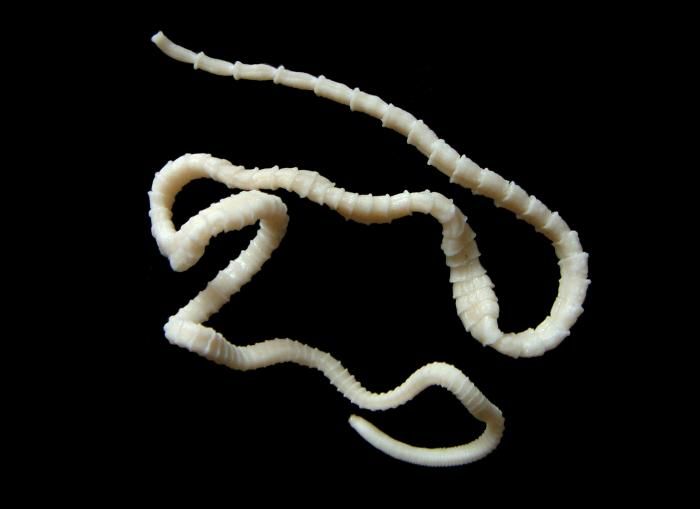
A tapeworm lives in the intestine of a cat absorbing nutrients through its skin. A tapeworm and a cat have this type of relationship.
mutualism
parasitism
commensalism
competition
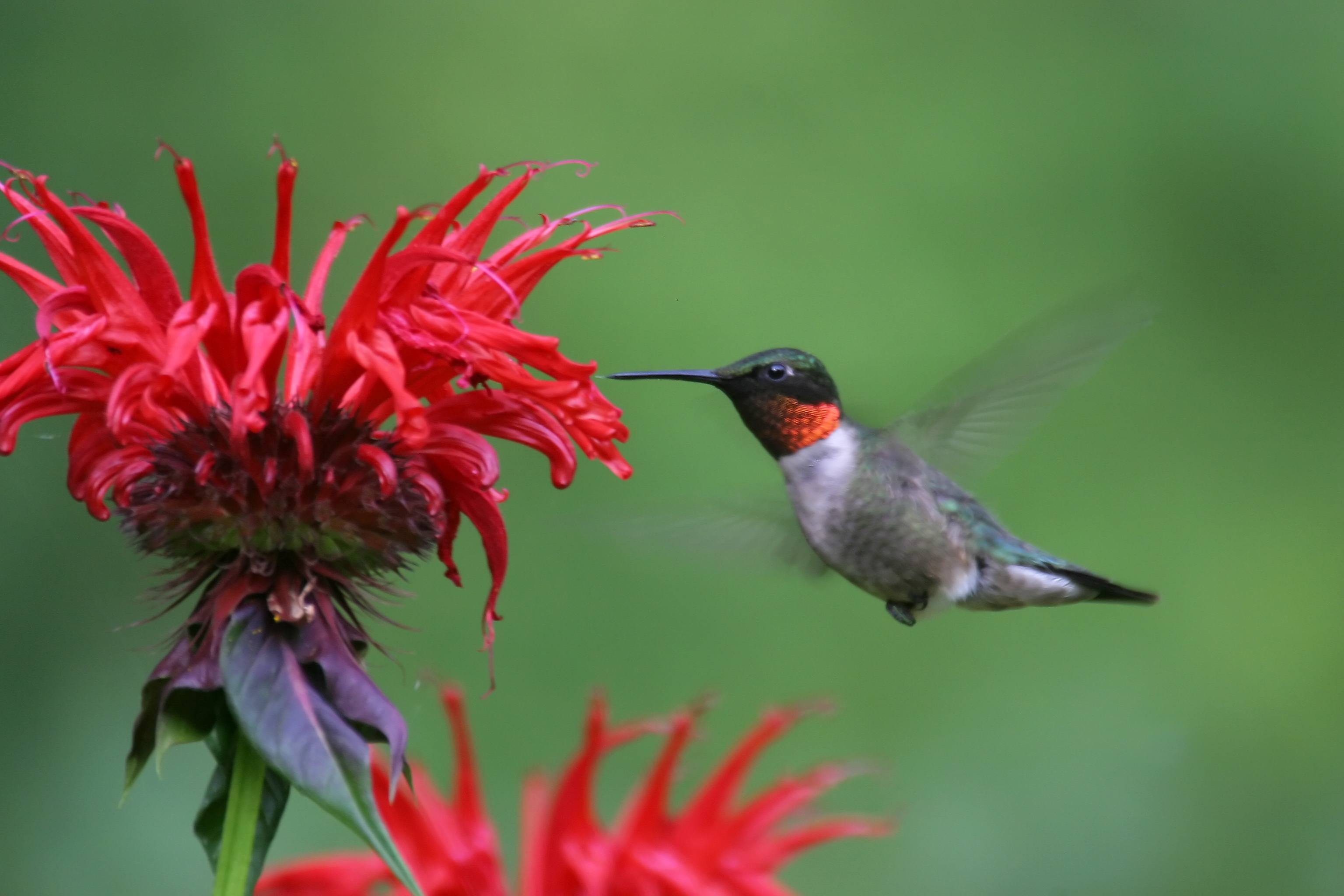


Mockingbirds will push the eggs out of a blue bird's nest and use the nest for it's own babies illustrating...
commensalism
parasitism
mutualism
predation
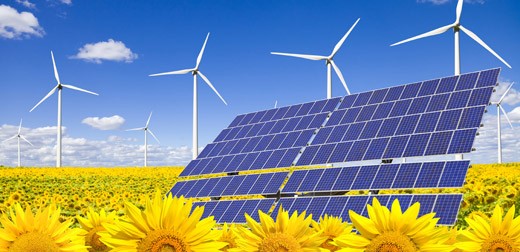
__________ is an energy resource that WILL NOT run out in the next several hundred years.
Renewable Energy Resource
Nonrenewable Energy Resource
Fossil fuels
biodegradable
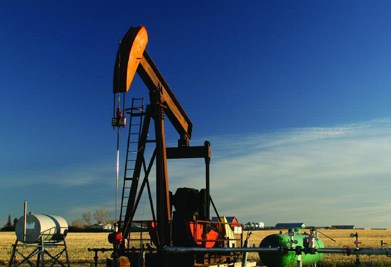
__________ is an energy resource that WILL run out in the next several hundred years.
Renewable Energy Resource
Nonrenewable Energy Resource
natural resources
pollution
What is a fossil fuel?
oil
biomass
wind
hydro

Do Renewable energy sources run out?
Yes
No
maybe
I don't know



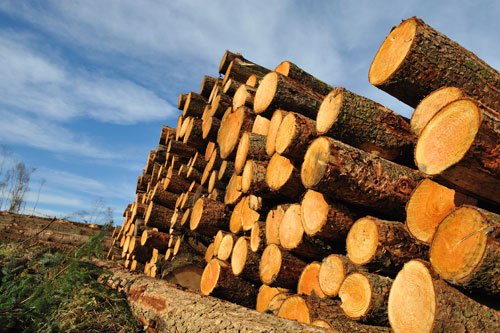
Wood is...
A renewable resource
A nonrenewable resource
Used to make oil
Used to make plastic
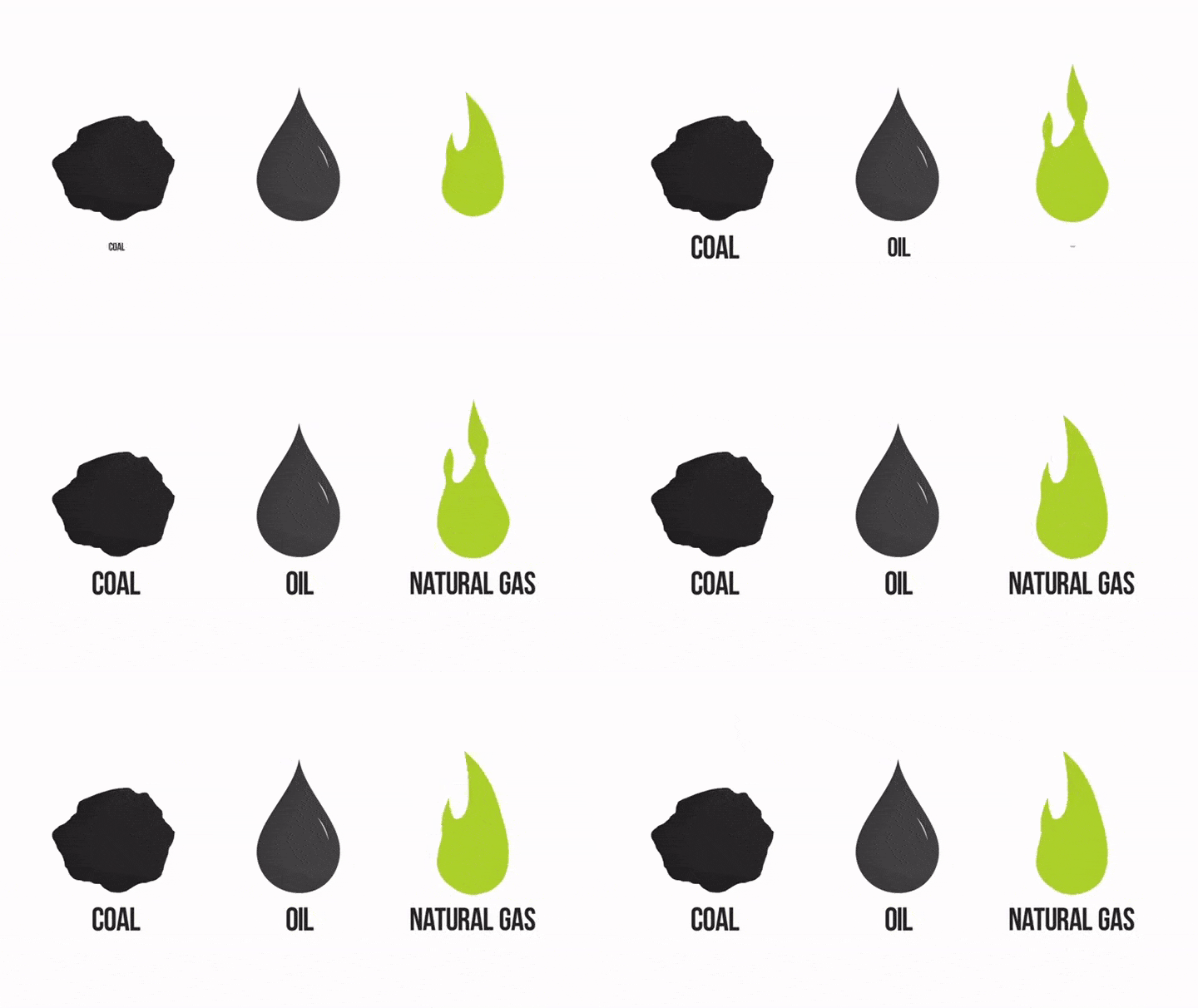
A group of non-renewable resources, called ______________, include coal, oil, and natural gas.
Fossils
Energy
Resources
Fossil fuels
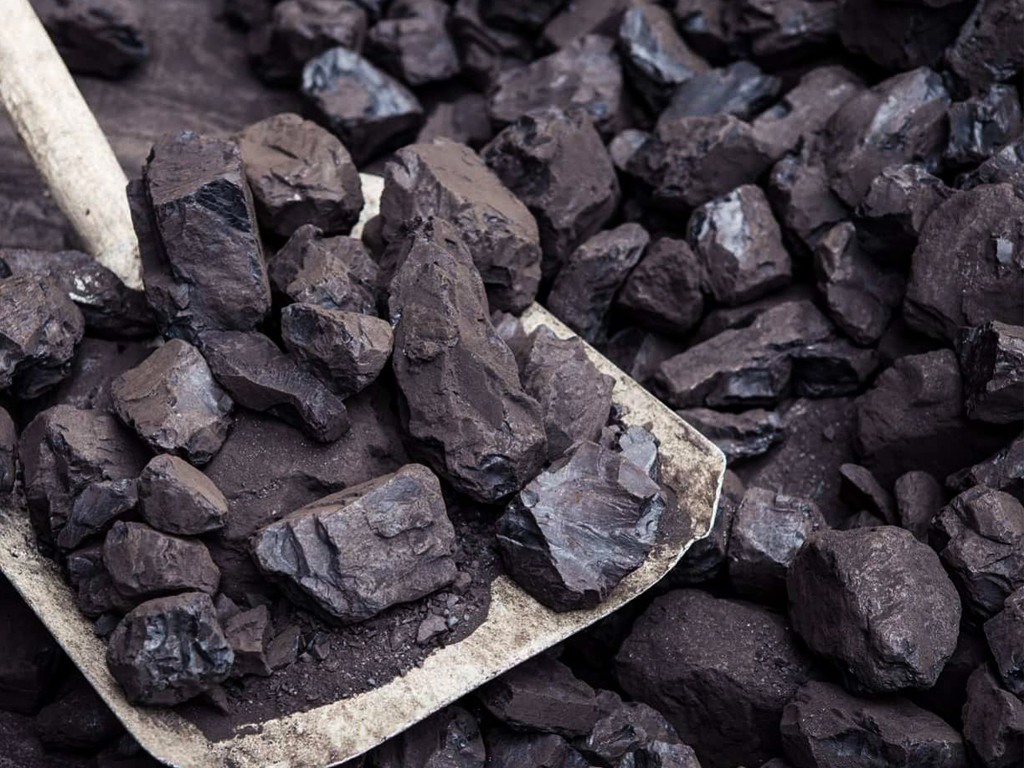
We can get energy from coal by...
Breaking it down
Digging it up
Burning it
Rubbing it together
This is a renewable energy resource that must be conserved.
Wood
Oil
Natural gas
Coal

Gasoline and plastic are made from...
Plants
Minerals
Oil
Minerals
How so we get energy from the sun?
Sunlight can generate electricity straight from the sky.
Solar panels use the sun to power turbines.
Solar panels can convert sunlight into electrical energy.
Solar panels generate their own electricity.

