
 Worksheets
Ecosystems 1
Total questions: 28
Worksheet time: 17mins
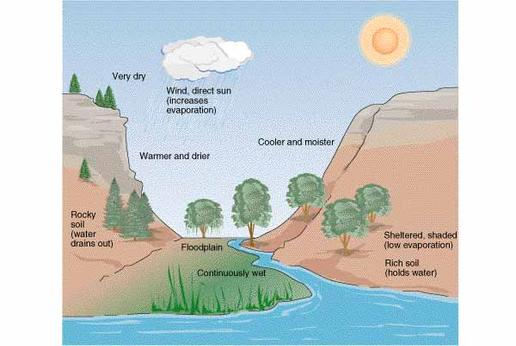
Not living, or produced by living things
Abiotic factors
Biotic factors
Ecosystem
Population
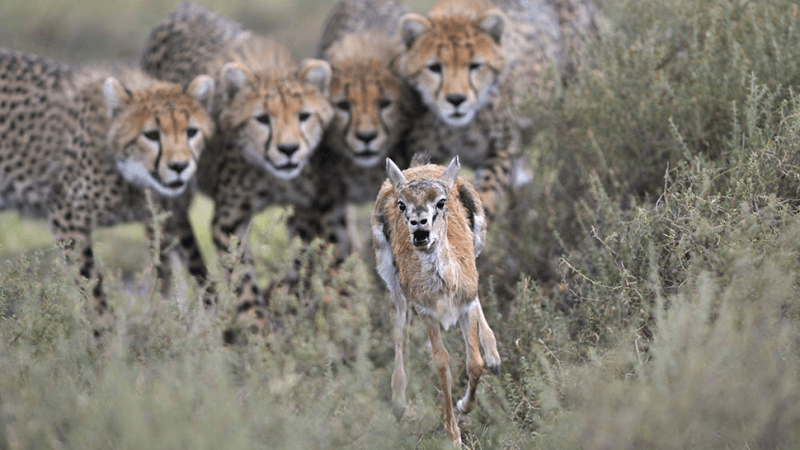
Hawks and owls eat the same type of food and struggle with one another to get their food. What is this an example of?
Competition
Biotic factor
Symbiosis
Population
The specific environment in which all the biotic and abiotic factors in an area interact.
Ecosystem
Organism
Struggle
Competitive Interaction

A self-contained living thing.
Organism
Population
Abiotic factor
Ecosystem
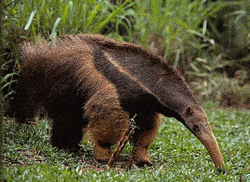
An organism that gets its energy by feeding on producers in the food chain
Primary Consumer
Secondary Consumer
Apex predator
A lion
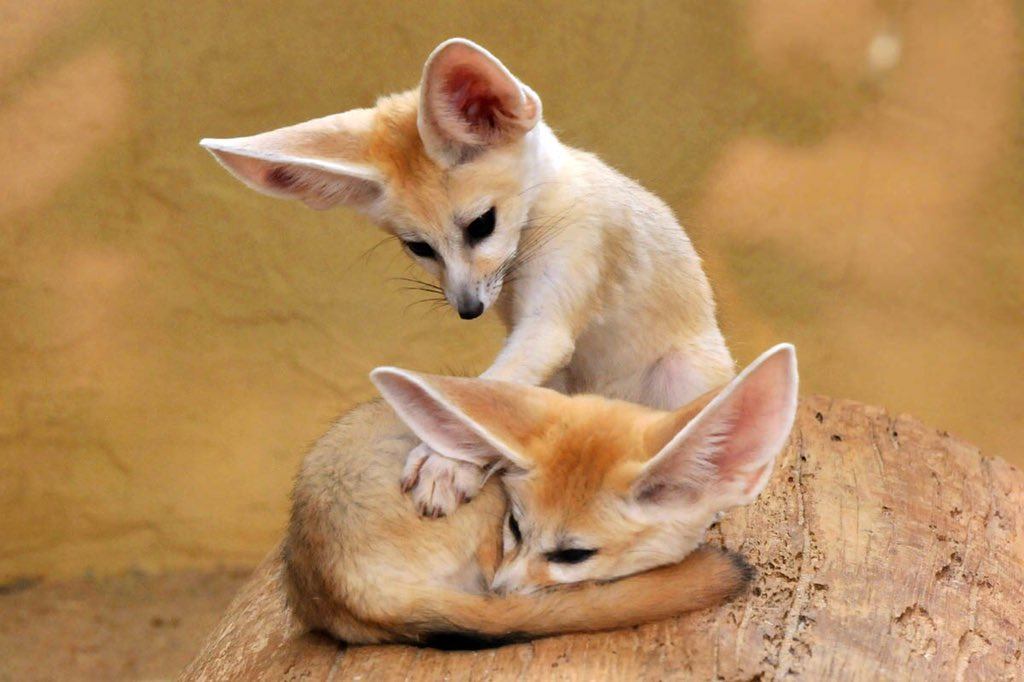
An animal that eats other animals that eat plants.
Secondary Consumer
Primary Consumer
Teritery Consumer
Carnivore
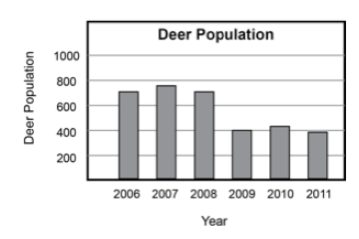
The population of deer in a certain area is monitored over a period of six years. The data is represented in the graph provided. Which of the following is the most likely explanation for the change in population in 2009?
Wild dogs, which prey on deer, were being hunted more than usual.
Snowfall in the previous spring was higher than the yearly average.
Humans introduced grazing animals that feed on the same plants as the deer.
More insects that pollinate flowering plants move into the ecosystem.

A student wants to investigate competition between two organisms. For the investigation, it is most important that the student should choose organisms that –
reproduce at a faster rate.
are both active during the night.
have the different adaptations.
require the same resources.
Two species of fish live in the same pond. Which of the following would increase competition between these two species of fish?
Habitat temperature increases.
Population of birds that eat the fish increases.
Number of food plants the fish eat increases.
Water level in the pond decreases.
Which of the following lists contains only abiotic factors?
water, air, temperature
grass, air, people
trees, fish, polar bears
grass, water, sand
WHAT IS POPULATION?
A group of animals of the same species that live together.
All the non living organisms.
All the plants and animals in an ecosystem.
A group of different populations that live in the same ecosystem.
A herd of zebras, a herd of elephants and a pack of hyenas which all live in the same area is an example of
Population
Community
Biotope
Intraspecific relationship
A consumer that eats only plants is called...
an omnivore
a carnivore
an autotroph
an herbivore
Energy enters an ecosystem as...
chemicals
food
minerals
sunlight
On a food web, the arrows show...
what eats what.
where the energy is going.
what each organism hunts.
who is friends with whom.
Why are decomposers necessary?
Because we compose too much...
To take basic materials and make them more complex...
To take complex materials and break them down to basic stuff...
So demusic can be really good...

What is a habitat?
A way an animal behaves.
A group of the same animals living together.
A specific place where an animal naturally lives.
When an animal lives in a place that is not their home eg. a zoo

