
 Worksheets
Chemistry Form 4 : Chemical bond
Total questions: 20
Worksheet time: 12mins

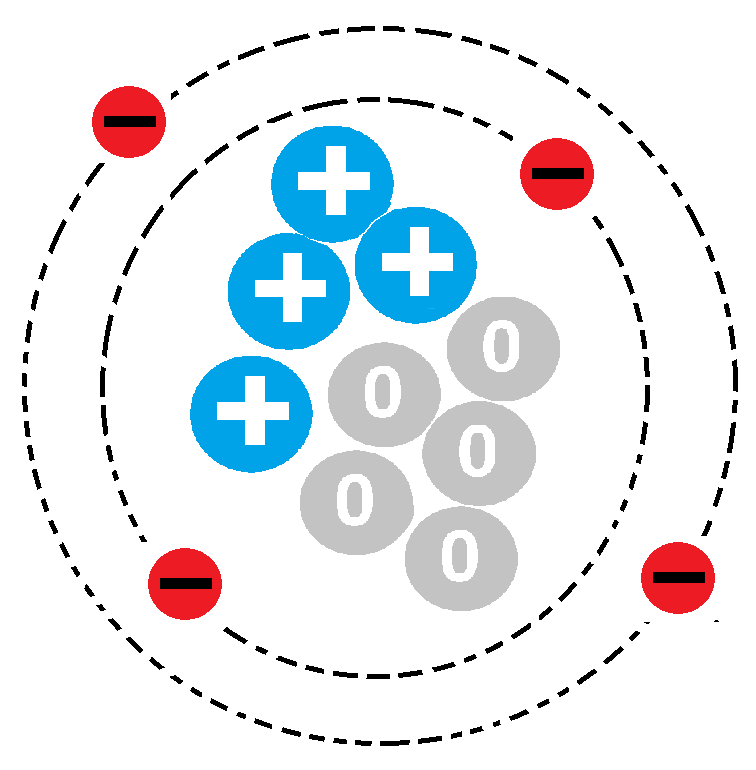
What type of diagram is this?
Lewis Dot Structure
Bohr Model
Alkali Diagram
Chemical Diagram

What is the basis of hydrogen bond?
Attraction forces between hydrogen atom bonded with another hydrogen atom
Attraction forces between hydrogen atom bonded with a high electronegativity atom (F, O, N)
Attraction forces between hydrogen atom bonded with a high electronegativity atom (F, O, N) with atom (F, O, N) of another molecule
Attraction forces between hydrogen atom with another hydrogen atom of another molecule
How do you overcome a difficulty in turning the pages of a book when the pages stick together?
Ripping the pages until they are separated
Shake the book until the pages separate
Lick your finger before turning the pages
Blow the pages as hard as you can
Can chlorine, Cl2 form hydrogen bonds?
Yes
No
Why can compounds that can form hydrogen bonds have higher boiling points than compounds that cannot form hydrogen bonds?
Compounds that can form hydrogen bonds need to overcome weak Van der Waals attraction forces
Compounds that can form hydrogen bonds need to overcome strong hydrogen bonds
Compounds that can form hydrogen bonds need to overcome weak Van der Waals attraction forces and strong hydrogen bonds
Coordinates bonds are also called ..
ionic bonds
covalent bonds
dative bonds
metallic bonds
What is the meaning of Dative Bond?
a covalent bond between two atoms where one of the atoms provides both electrons that form the bond.
a covalent bond between two atoms where both of the atoms provides both electrons that form the bond.
same with an ionic bond
not exist
The formation of an ionic bond involves the...
sharing of electrons.
transfer of electrons.
transfer of protons.
Which of the following best describes the type of bond formed when sodium reacts with chlorine?
ionic bond
metallic bond
covalent bond
which of the following statements best describe a metallic structure?
a metal atom held together by anions
cations held together by a sea of mobile electrons
metal atoms held together by electrons
Ionic bonds are formed by transferring an electron from a _______ to a ________.
Metal to a metalloid
Metalloid to a nonmetal
Nonmetal to a nonmetal
Metal to a nonmetal
Why do metals conduct electricity?
They are shiny
The electrons are held tightly within the lattice
The electrons are delocalised and able to move
The electrons are shared between two metal ions

