
 Worksheets
25 on 5 Skill Learning 1
Total questions: 25
Worksheet time: 17mins

Which of the following are the most ‘closed’ skills?
Tackling an opponent in rugby, ten pin bowling
Shooting a free throw in basketball, hitting off the tee in T-Ball
Shooting a netball goal, archery
Receiving and serving in tennis
Boxing against an opponent, windsurfing

Swimming is the most common activity for children aged between 6-13 years old. This activity is an example of what type of skill?
Open and Gross
Closed and Fine Motor Skills
Closed and Gross Motor Skills
Open and sport specific

Which of the following best reflects the correct order from the most closed to the most open skill in basketball?
dribbling the ball down the court, free throw, passing the ball to a teammate
free throw, dribbling the ball down the court, passing the ball to a teammate
free throw, passing the ball to a teammate, dribbling the ball down the court
passing the ball to a teammate, free throw, dribbling the ball down the court

A fast bowler in indoor cricket would most closely exhibit which of the following movement skills?
discrete, fine and closed
serial, gross and closed
continuous, gross and open
serial, fine and open

The correct order of skills from most open to most closed is:
surfing, tackling a player in rugby, bowling a cricket ball, diving into a pool.
diving into a pool, surfing, bowling a cricket ball, tackling a player in rugby.
surfing, bowling a cricket ball, diving into a pool, tackling a player in rugby.
bowling a cricket ball, surfing, tackling a player in rugby, diving into a pool.

In the cognitive stage of learning, what is the learner trying to do?
understand the skill
refine the performance
make the actions automatic
organise a more efficient movement pattern

Which one of the following is a characteristic of an athlete in the autonomous stage of learning?
The athlete performs subroutines out of order.
The athlete is able to detect some of their errors on their own.
The athlete has difficulty anticipating what movement is needed.
The athlete can vary the accuracy, speed and uniformity of their movements.

Which skill classification relates to the influence of the environmental factors on the skill performed?
Fine - Gross
Discrete - Serial - Continuous
Open - Closed
Fundamental - Sport-specific
Fine - Gross

For this picture, classify the skill
Closed, fine motor skill
Open, gross motor skill
Open, fine motor skill
Closed, gross motor skill

Which of the following skills is considered a gross motor skill?
Running a marathon
Drawing a portrait
Typing on a keyboard
Playing the piano

In the associative stage of learning, what is the primary focus of the learner?
Understanding the basic mechanics of the skill
Refining the skill and reducing errors
Exploring new techniques
Making the skill automatic

Which of the following is an example of a serial skill?
Balancing on one foot
Throwing a dart
Performing a gymnastics beam routine
Swimming continuously in a pool

Which characteristic best represents a discrete motor skill?
The skill has a clear beginning and a clear end point.
The skill has no clear beginning and no clear end point.
The skill involves replicating exact movements in a static setting.
The skill includes several components that link together to form a specific sequence.

Which one of the following is a sociocultural factor that could influence the development of motor skills?
arousal levels
parenting practices
geographical location
the physical size and shape of an individual

Roger Federer is a former professional tennis player. He was ranked world number one by the Association of Tennis Professionals for 310 weeks, and on five occasions ended the year ranked as number one.
Identify the stage of learning Federer was in when he first learnt to play tennis.
cognitive
associative
autonomous
continuous

What is the primary goal of a learner in the autonomous stage of learning?
To explore new techniques and strategies
To make the skill automatic and perform it effortlessly
To understand the basic mechanics of the skill
To refine the skill and reduce errors

Which of the following is an example of a fine motor skill?
Drawing a portrait
Running a marathon
Swimming in a pool
Playing soccer

Fundamental motor skills
Fundamental motor skills are advanced athletic techniques required prior to developing sports specific skills.
Fundamental motor skills are basic movement patterns required prior to developing sports specific skills..
Fundamental motor skills are only for children required prior to developing sports specific skills..
Fundamental motor skills are complex cognitive tasks required prior to developing sports specific skills.

Which characteristic best represents an open motor skill?
The skill is performed in a stable and predictable environment.
The skill has a clear beginning and a clear end point.
The skill involves replicating exact movements in a static setting.
The skill is performed in a changing and unpredictable environment.
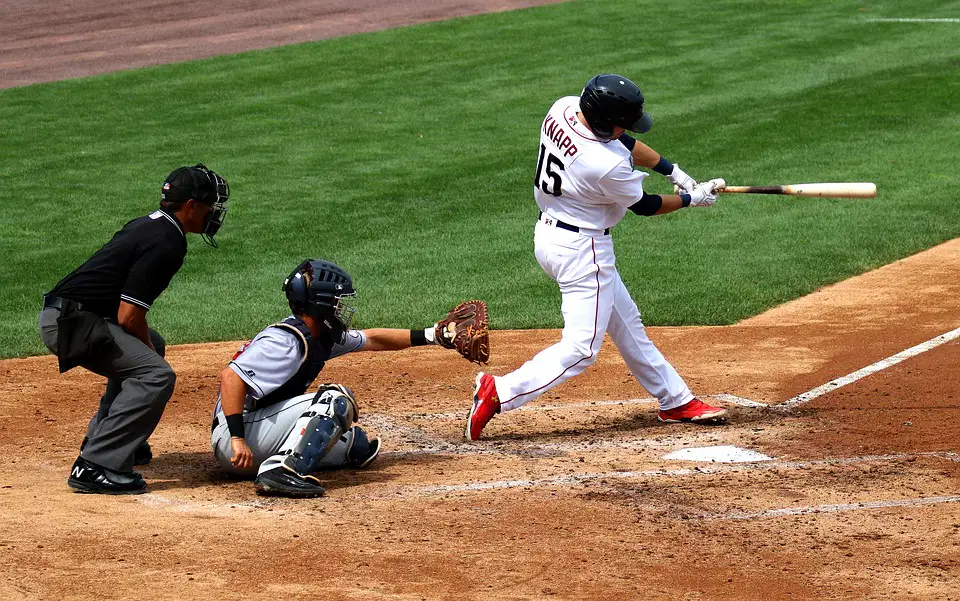
In baseball, the pitcher may throw different types of pitches, such as fastballs, curveballs and change-up pitches. The batter has to respond differently to these pitches because they travel at different speeds, come from different directions and are thrown at different heights.
Is batting in baseball classified as an "open skill" or a "closed skill"?
Open skill
Closed skill
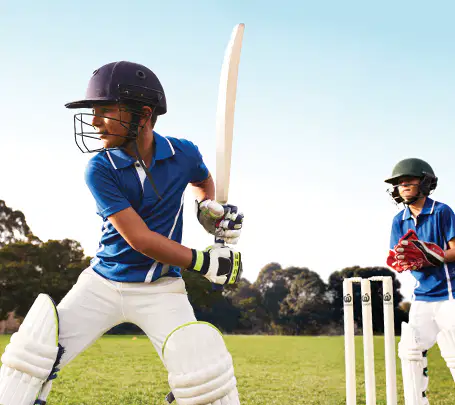
The fundamental motor skills include:
swimming tumble turn, backstroke start and dive
triple jump, long jump and high jump
locomotor skills, manipulative skills and balance skills
volleyball serve, spike and dig

Which of the following is an example of a continuous skill?
Running on a treadmill
Throwing a javelin
Performing a high jump
Playing a single note on a piano

The phrase "A high level of inter-trial variability" is used a characteristics of:
discrete skill
gross motor skills
open skills
closed skills

Fine motor skills are linked to:
Coordination of precision movements in the small muscles in hands and fingers.
Enhancement of visual perception abilities.
Development of auditory processing skills.
Coordination of large muscles in legs and arms.
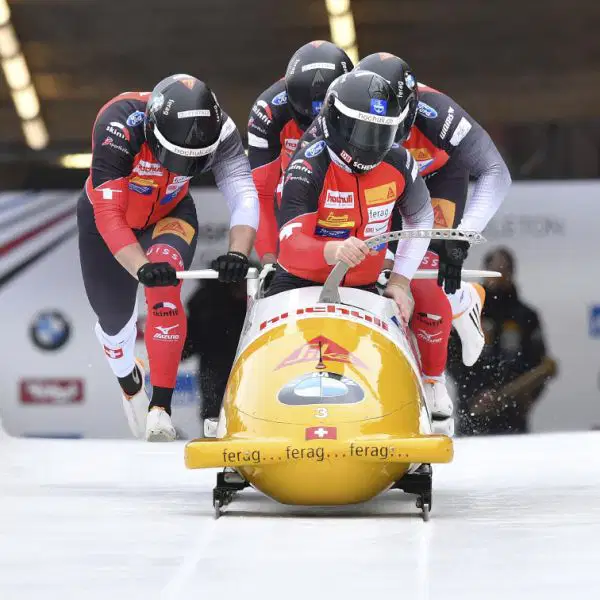
Which of the following characteristics is the most accurate for someone in the autonomous stage of learning?
they can detect some of their own errors.
little cognitive attention is focused on skill execution.
they perform subroutines out of order.
their performance is becoming more consistent.

