
 Worksheets
Conservation law of mass
Total questions: 11
Worksheet time: 13mins
In a reaction A + B ----> C, reactant A has 4g and product C has 9g. How many grams does reactant B should have?
4g
5g
9g
14g

According to the law of conservation of mass, how much mercury was present in the mercury (II) oxide?
55.8 g
64.2 g
60.0 g
126.0 g

Copper (Cu) and sulfur (S) were heated in a covered container. After the reaction was complete, the unreacted sulfur was removed. The table contains the results of the investigation. How much sulfur in grams failed to react with the copper?
1.32 g
4.54 g
5.02 g
10.88 g
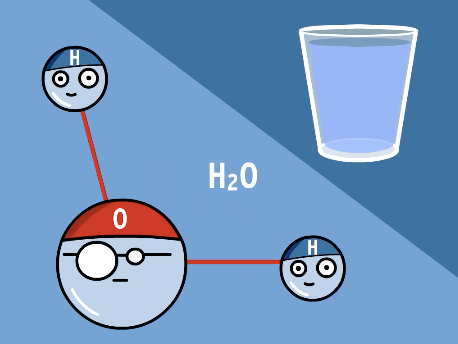
4 grams of hydrogen and 32 grams of oxygen will combine to form:
36 grams of water
28 grams of hydroxide
32 grams of oxygen
36 grams of deuterium
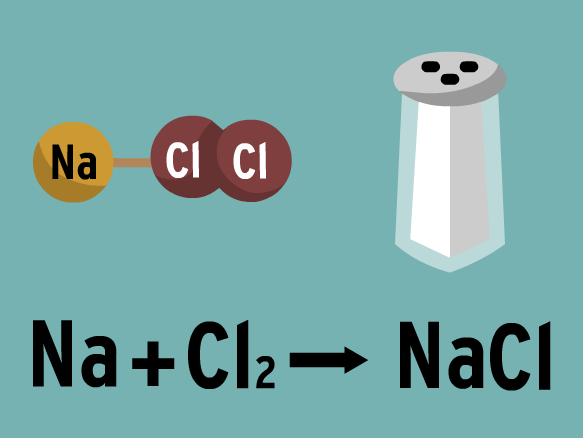
In a chemical reaction, 4 grams of sodium must combine with how many grams of chlorine to produce 10 grams of table salt?
4 grams
6 grams
8 grams
10 grams
In the chemical equation H2O2(ag) → H2O(l) + O2(g), the O2 is a
reactants
yield
products
solid

