
 Worksheets
Environment Threats, Conservation, Reduce Reuse Recycle (5)
Total questions: 50
Worksheet time: 45mins
What are examples of a threat to the environment?
Using too much water
Cutting trees
Planting trees
Dumping used water in the river
All of the above
What is a landfill?
(Also called waste dump)
A place for people to recycle
A place where people's trash is taken
A place where oil spills begin
A type of factory
What cause air pollution ?
Factories produce too much waste water and oil.
Factories produce too much smoke.
What cause water pollution?
People dump things in the countryside.
Factories produce too much waste water and oil.
Factories produce good products.
Factories produce too much smoke.
What cause land pollution?
People throw too much rubbish in the sea.
People throw too much rubbish everywhere.
People reduce making rubbish.
People reuse things.
What cause noise pollution?
People take public transport.
People turn down TV.
The traffic makes too much noise.
The traffic makes too many fumes.
True or False: The greenhouse gas layer is a good thing.
True: as long as its not too thin or too thick
False: its bad because it makes the planet too hot
If we keep on causing water pollution, what will happen?
We won’t have a quiet place to live in.
We won’t have clean water to drink.
We will have hearing problem.
Sea animals will die.
Ecosystems will not be able to exist
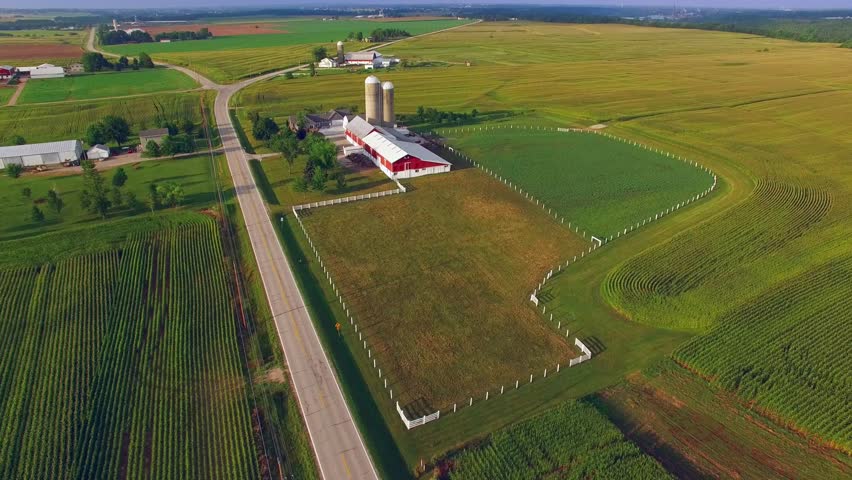
What happens to any forest ecosystem when the land is cleared for farming?
For example for palm-oil plantations in Sumatra.
The forest ecosystem will be destroyed.
The forest ecosystem will be healthy.
The forest ecosystem will be relocated.
The forest ecosystem will be unaffected.

Look at the photo. This is an example of _____ pollution.
water
air
land
The release of smoke and harmful gases into the air is called _________ pollution.
air
water
land
_____________________ is the contamination of air, land, and water.
Conservation
Ecology
Pollution
_________ means to use less of something?
Reduce
Recycle
To _________ is to use something more than once.
reduce
reuse
The old cardboard was used to make new boxes. The cardboard was _________.
recycled
reduced
Owen's bike broke. He took it to a bike shop to have it fixed. Owen decided to _________ his bike instead of buying a new one.
reduce
reuse
The leaking or spilling of chemicals or raw sewage into a body of water is ________ pollution.
air
water
land
Which of the following has a positive impact on the environment? (comparatively)
Coal power
Solar power
Landfills
Recycling
What is conservation?
Saving natural resources.
Watching television throughout the day.
Using natural and human resources.
Leaving the watering running.
Pick All of the R's of Conservation.
Reduce
Reuse
Recycle
Remind
When we take short showers we are Recycling.
True
False
What are we doing when we turn off the fan and the lights when we leave the room.
We are REDUCING are use of electricity.
We are RECYCLING making electricity into something new.
We are REUSING the electricity by using it again in a new way.
Choose all of the things I can recycle.
Soda Cans
Milk Containers
Computers
Cell Phones
Global warming and deforestation are two (a) that we face.
Select from:
global | local | national | pollution | environmental problems
Our environment is being damaged by (a) and by habitat destruction created by human actions.
Select from:
global | local | national | pollution | environmental problems
Waste disposal may affect the environment on a (a) scale.
Select from:
global | local | national | pollution | environmental problems
Problems such as deforestation, air polution and global warming are issues of ___ and ___ importance..
Select from:
global | local | national | pollution | environmental problems
(a)
What is a smart way to reuse rain water in your house. What is your suggestion?
The rubbish we throw away each day is called (a) .
Select from:
biodegradable | domestic waste | recycle | reduce | reuse
Vegetables and cardboard are (a) , they rot
away to make compost.
Select from:
biodegradable | domestic waste | recycle | reduce | reuse
We should (a) the amount of waste we produce.
Select from:
biodegradable | domestic waste | recycle | reduce | reuse
We can (a) good bottles and scrap paper.
Select from:
biodegradable | domestic waste | recycle | reduce | reuse
We can (a) glass, cans, fabrics and newspapers; the materials from which they are made can be melted down, or processed in some other way, to make new products.
Select from:
biodegradable | domestic waste | recycle | reduce | reuse

Walk or ride your bike
Turn off the tap when you brush your teeth
Have a shower and not a bath

Recycle paper, glass and plastic
Plant trees
Pick up rubbish

Turn off the lights
Pick up rubbish
Ride your bike

Turn off the lights
Turn off the tap when you brush your teeth
Walk or ride your bike

Turn off the tap when you brush your teeth
Plant trees
Turn off the lights
How can you save energy at home?
Turn off lights and electronic devices when you are done using them.
Leave your lights on all day.
Always have the TV on.
What is something that can be recycled?
Paper
Banana peel
A Plant
Pizza Box
Where should your trash go?
The toilet
A trash can
On the ground
Thrown in the water

What is the name of this Environmental threat?
Floods
Droughts
Noise Pollution
Oil Spills
What do you do in your life to live the best way?
Do you recycle, if yes, what do you recycle?
Do you switch of the light and water when you don't need it?
What else do you to do conserve?

