
NEW
Font size
 Worksheets
Ancient India, China and Persia Review
Total questions: 48
Worksheet time: 24mins

The teachings of Siddhartha Gautama became known as
Hinduism
Hebrew
Buddhism
Judaism

A social group that one is born into and cannot be changed in Hindu belief is called a
class
clan
raja
caste

Which group of people ranked lowest within the caste system?
Kshatriya (warriors)
Brahmins (priests)
Vaisyas (farmers, merchants, artisans)
Shudras (laborers, servants)

Which group of people ranked highest on the caste system?
Kshatriya (warriors)
Brahmins (priests)
Vaisyas (farmers, merchants, artisans)
Sudras (laborers, servants)

What river is depicted on this map?
Indus
Ganges
Euphrates
Brahmaputra

Rebirth of the "soul" in another living thing...
reincarnation
dharma
brahman
nirvana

Hinduism believes in these concepts EXCEPT
Monotheistic: belief in one god
Karma: destiny is based on previous actions
Reincarnation: rebirth in another body
Dharma: Doing your duties
Name the river where India’s first cities, including Harappa, developed?
Indus
Ganges
Nile
Tigris

What did the Buddha believe was the key to end suffering?
Being nice to people
Traveling and teaching
Obtaining wealth
Giving up your desires

Hymns, poems, legends, and religious rituals were compiled into Hinduism's "Books of Knowledge" known as the - ?
Sanskrit
Torah
Vedas
Holy Bible

What mountain range separates India from China?
Himalayas
Alps
Andes
Hindu Kush

What are the two major rivers of Ancient India?
Tigris & Euphrates
Nile & Blue Nile
Indus & Ganges
Huang He & Yangtze

Sufficient evidence exists that the ___________, an Indo-European group, migrated into the Indus River Valley around 1500 BCE.
Persians
Aryans
Huns
Dravidians (Dasas)

More than 80% of the people who live in India today, practice the religion of _________________.
Judaism
Christian
Muslim
Hinduism
The sacred texts of Hinduism are:
The Vedas & Upanishads
The Old & New Testament
The Torah
The Giving Tree & Harry Potter

What you do in this life determines what happens in the next life is __________.
dharma
reincarnation
rebirth
karma

Buddhism was founded by
Ghandi
Alexander
Siddhartha
Asoka

Which mountain pass provided a route for the Indo-Aryans to invade the Indus Valley civilizations?
Khyber
Himalayan
Hindu Kush
Caucasus
What is a feature of Hinduism that is NOT shared with Buddhism?
Karma
Nirvana
Caste System
Reincarnation
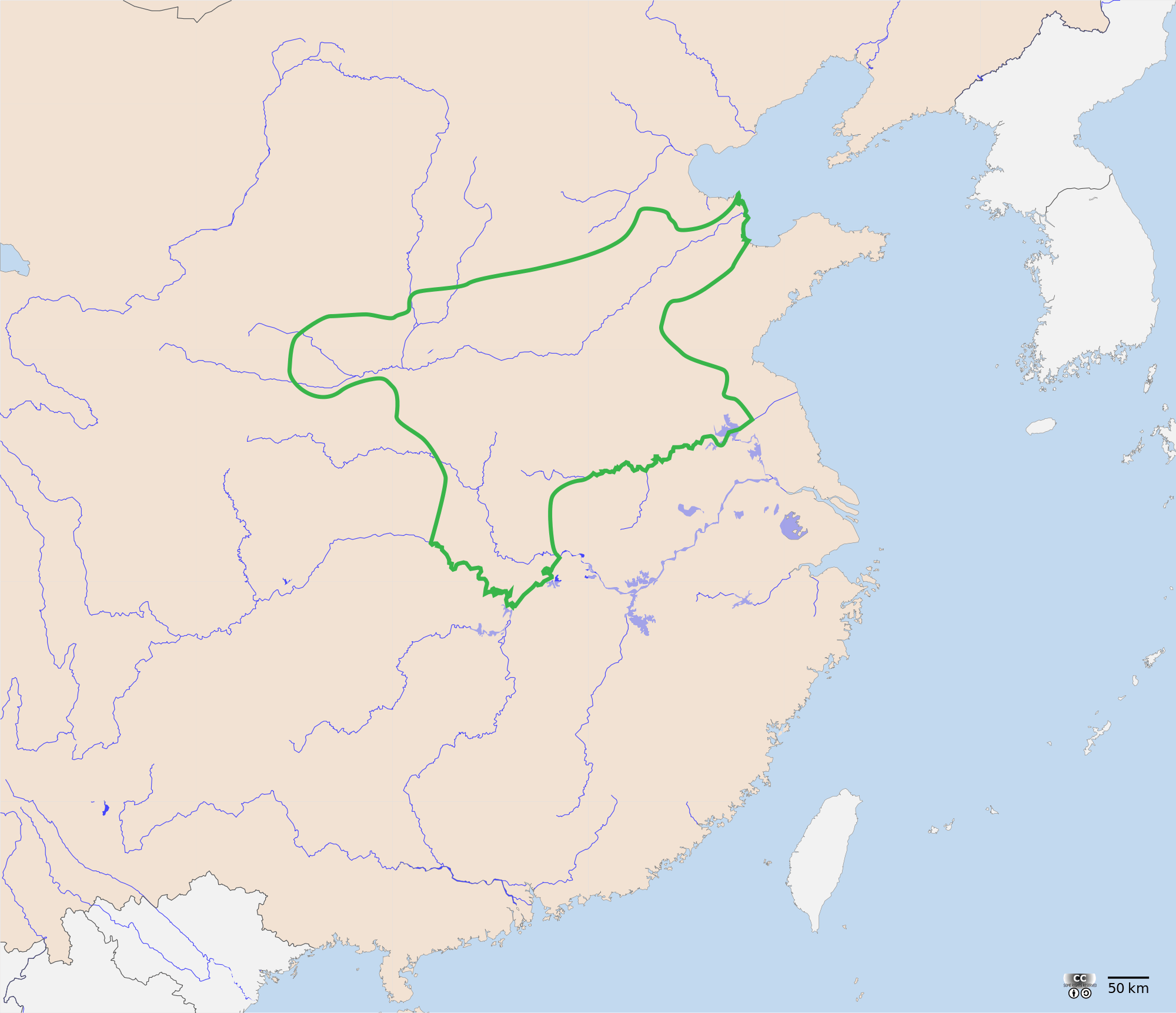
What term below defines a line of rulers from the same family
Legalism
democracy
dictatorship
dynasty

What is another name for the Yellow River in China?
Dao
Zhou
Shang
Huang He

How was Chinese civilization affected by mountains and deserts?
They became wealthy.
They were relatively isolated from other civilizations.
They made it easier to travel.
They made China easy to be attacked.
The ruler Qin Shi Huang-di began construction of the -
Great Wall
Pyramid of Giza
Ziggurat Temple
Fleet of Zheng he
Confucianism focused on
Following the vedas of hinduism
The yin and yang
worshipping more than one god
Respecting rulers and elders

Which trade route connected China to the west?
the Royal Road
the Silk Road
the Han Pass
the Himalayan Mountains

What religion became popular in China after spreading from India?
Hinduism
Christianity
Buddhism
Shinto

What is the central idea of Daoism
Duty to community
Living in harmony and balance with nature
Enforcing laws with harsh punishments
Humans are naturally evil

The terracotta army was discovered at the burial site of which emperor?
Sun Tzu
Qin Shi Huangdi
Liu Pang
Lao Zu
Which piece of art best captures Confucian ideology?


What philosophy/religion teaches to live in harmony with nature?
Legalism
Hinduism
Confucianism
Taoism
What do Buddhism and Taoism believe is the cause of suffering and pain?
Not achieving enlightenment
Practice of frequent meditation
Desire for material possessions and status
Poverty

The Great Wall of China runs for thousands of miles along its northern border of which cold climate desert?
Sahara
Syrian
Gobi
Arabian

Literature based on Confucius' ideas were burned by this emperor, whom was credited as the first to unite all of China?
Qin Shi Huangdi
Liu Bang
Wudi
Ming Chengzu
What innovation of the Han Dynasty had a positive impact on social progression in China?
Extension of the Silk Road
Civil Service System
Invention of paper
Discovery of manufacturing iron tools

Varanasi is the holy city of Hinduism and is located on the banks of Hinduism's sacred river. What is the name of that river?
Ganges
Indus
Brahmaputra
Mekong
The ultimate goal of Buddhism is to achieve enlightenment, and similar to the Hindu concept, be released from the cyclical births and deaths. This belief is known as -
Reincarnation
Dharma
Karma
Nirvana
The Persians conquered all of the following areas except. . .
Israel
Babylonia
Egypt
India
Ancient Persia originated in the location of what present day country?
Iran
Iraq
Egypt
Greece
What was the name of the Persian governor of each province?
King
Governor
Satrap
Lord
Name the administrative body that helped the Persian emperors to help govern the large size of the empire?
Parliament
Senate
Judges
Imperial Bureaucracy
What religion did the Persians follow?
Zoroastrianism
Islam
Buddhism
Greek Mythology
Zoroastrianism is considered by most people as a monotheistic religion. What does monotheism means?
Belief in many gods
Belief in one god
No belief in a god
Belief in Judaism
Which ruler is credited with the founding of the Persian Empire?
Alexander the Great
Ramses the II
Cyrus the Great
Darius I
How did the Persians maintain control of diverse groups of people in its empire, which was very different to ancient empires or kingdoms at the time?
Ruled with harsh and severe policies and punishments
Forced the conquered people to adopt their culture
Ruled with tolerance
Enslaved all the conquered people

