wayground logo

Free Printable Worksheets

NEW

Font size

S
M
L
XL
Worksheets

NGSS Chem IS3T1: Periodic Trends

Total questions: 20

Worksheet time: 30mins

Name
Class
Date
1.
Ionization energy is...
a)
the energy required to add an electron to a specific atom
b)
how much energy it takes to remove an electron from an atom
c)
the energy required to shield the outer electrons from the nucleus
d)
a measure of the ability of an atom to attract electrons
2.
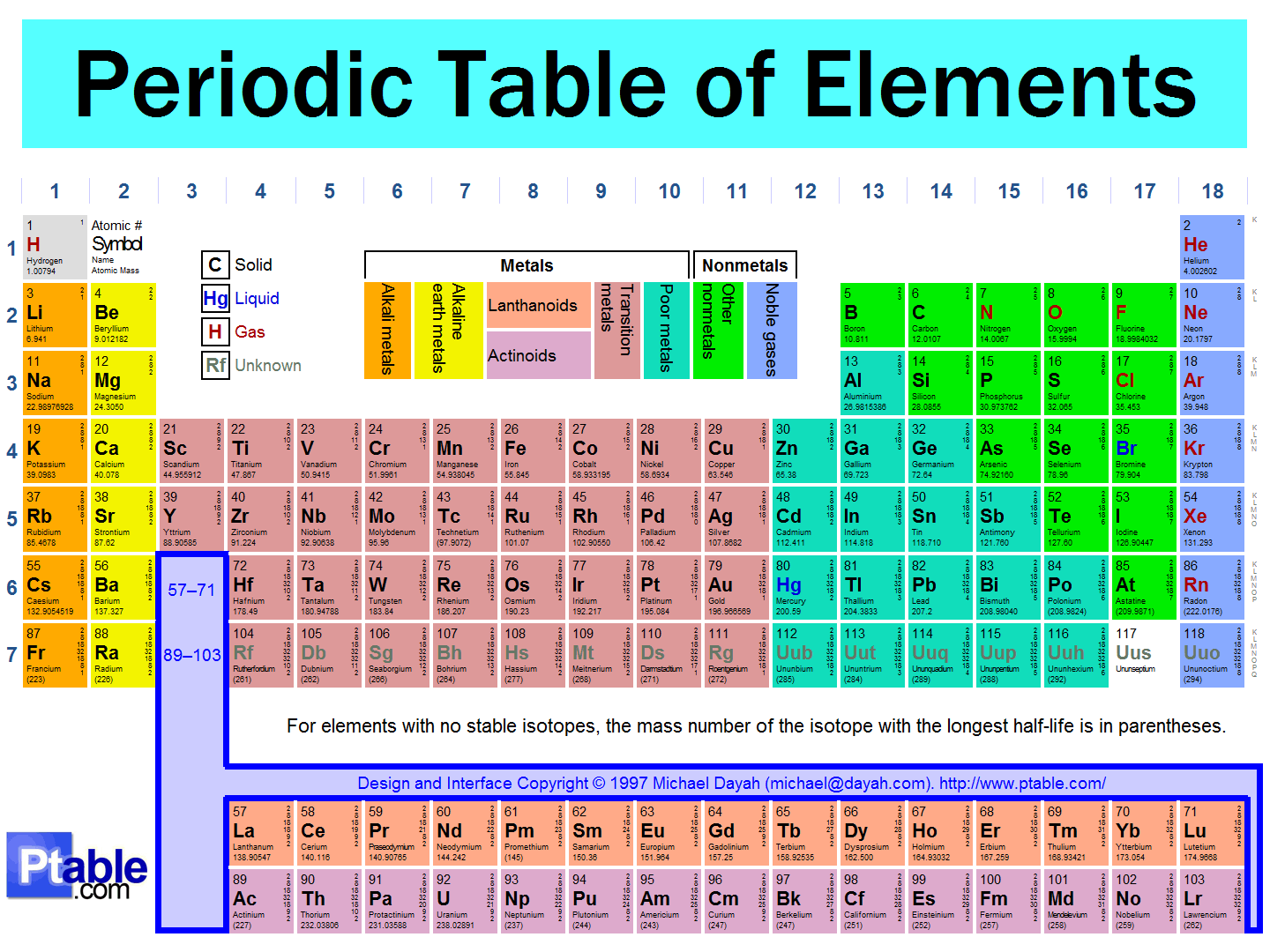
Which of the following will have a lower ionization energy than Scandium (Sc)?
a)
Helium (He)
b)
Titanium (Ti)
c)
Calcium (Ca)
d)
Magnesium (Mg)
3.
Which of the following will have a higher ionization energy than arsenic (As)?
a)
Gallium (Ga)
b)
Neon (Ne)
c)
Antimony (Sb)
d)
Germanium (Ge)
4.
Electronegativity is...
a)
how good an atom is at attracting electrons
b)
the ability of an atom to lose electrons
c)
the energy required to remove an electron from a specific atom
d)
how easy it is to make friends. 
5.
Which of the following will have a higher electronegativity than arsenic (As)?
a)
Carbon (C)
b)
Neon (Ne)
c)
Antimony (Sb)
d)
Germanium (Ge)
6.
As atoms of elements in group 16 are considered in order from top to bottom, the electronegativity of each successive element....
a)
decreases
b)
increases
c)
remains the same
d)
none of the above
7.
What term is used to describe "The energy required to remove an electron from gaseous atoms"
a)
excitation energy
b)
ionization energy
c)
polarization energy
d)
electrolytic energy 
8.
What term is used to describe "A measure of the size of an atom"
a)
chemical reactivity
b)
atomic radius
c)
energy levels
d)
orbit
9.

Which element in Period 2 has the greatest atomic radius?

a)

Be

b)

C

c)

Na

d)

Li

10.
Electronegativity __________ from left to right within a period and __________ from top to bottom within a group.
a)
decreases, increases 
b)
increases, increases
c)
increases, decreases 
d)
stays the same, increases
11.

Which of the following will have a lower ionization energy than Scandium (Sc)?

a)

Helium (He)

b)

Titanium (Ti)

c)

Calcium (Ca)

d)

Magnesium (Mg)

12.

Which of the following will have a higher electronegativity than arsenic (As)?

a)

Carbon (C)

b)

Neon (Ne)

c)

Antimony (Sb)

d)

Germanium (Ge)

13.

The vertical (up and down) columns in the Periodic Table are called

a)

groups

b)

towers

c)

periods

d)

atomic numbers

14.
Which statement correctly and completely identifies a trend?
a)
Atomic radius decreases across a period and increases down a group.
b)
Electronegativity decreases across a period and decreases down a group.
c)
Ionization energy increases across a period and increases down a group.
d)
Ionic radius increases across a period and increases down a group.
15.
The chart scientists use to organize and classify all the known elements
a)
elements chart
b)
the chart
c)
Periodic Table of the Elements
d)
Period table
16.
Which elements are in the same period?
a)
A & F
b)
F, B & D
c)
E & D
d)
F & B
17.

Which of the following elements is most likely to have similar properties to those of sodium (Na)?

a)

Magnesium (Mg)

b)

Sulfur (S)

c)

Francium (Fr)

d)

Titanium (Ti)

18.

Which element is located in group 3?

a)

Yttrium (Y)

b)

Carbon (C)

c)

Sodium (Na)

d)

Lithium (Li)

19.

Which element is located in period 4?

a)

Zirconium (Zr)

b)

Silicon (Si)

c)

Beryllium (Be)

d)

Iron (Fe)

20.

Two elements that have similar physical and chemical properties are most likely in the same...

a)

period

b)

row

c)

group