
 Worksheets
Cells Review 1
Total questions: 24
Worksheet time: 42mins
Name
Class
Date
1.
All living things are made up of _____.
a)
Cells
b)
Bacteria
c)
Virus
d)
ATP
2.
Prokaryotic cells do NOT have a nucleus.
a)
True
b)
False
3.

Which of the following is an example of a prokaryotic cell?
a)
Virus
b)
Plant Cell
c)
Bacteria
d)
Animal Cell
4.

Directs all cell activities through the DNA located there.
a)
Lysosomes
b)
Nucleus
c)
ribosomes
d)
Mitochondria
5.
Where are proteins made?
a)
Golgi body
b)
Mitoichondria
c)
Chromosomes
d)
Ribosomes
6.
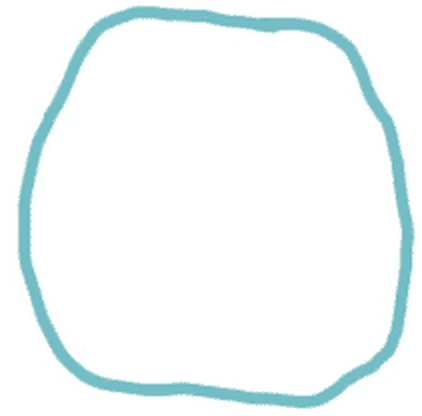
I am the outer most layer of an animal cell. What am I?
a)
cell wall
b)
nucleus
c)
cell membrane
d)
cell skin
7.
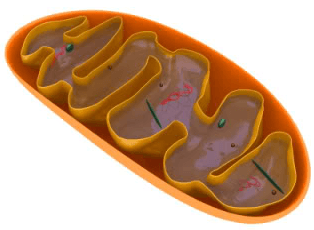
What are tiny organelles that convert glucose into ATP?
a)
Ribosomes
b)
Vesicles
c)
Cytoskeleton
d)
Mitochondria
8.
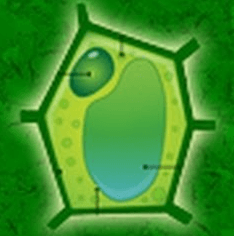
A rigid layer that lies outside the cell's membrane is...
a)
Cytoskeleton
b)
Cilia
c)
Cell Wall
d)
Flagella
9.
The site of photosynthesis
a)
ribosome
b)
mitochondria
c)
chloroplast
d)
nucleus
10.

Which of the following would be found in both eukaryotic AND prokaryotic cells?
a)
chloroplast
b)
DNA
c)
nucleus
d)
endoplasmic reticulum
11.
Which organelle is only found in a plant cell?
a)
nucleus
b)
chloroplast
c)
mitochondria
d)
cell membrane
12.
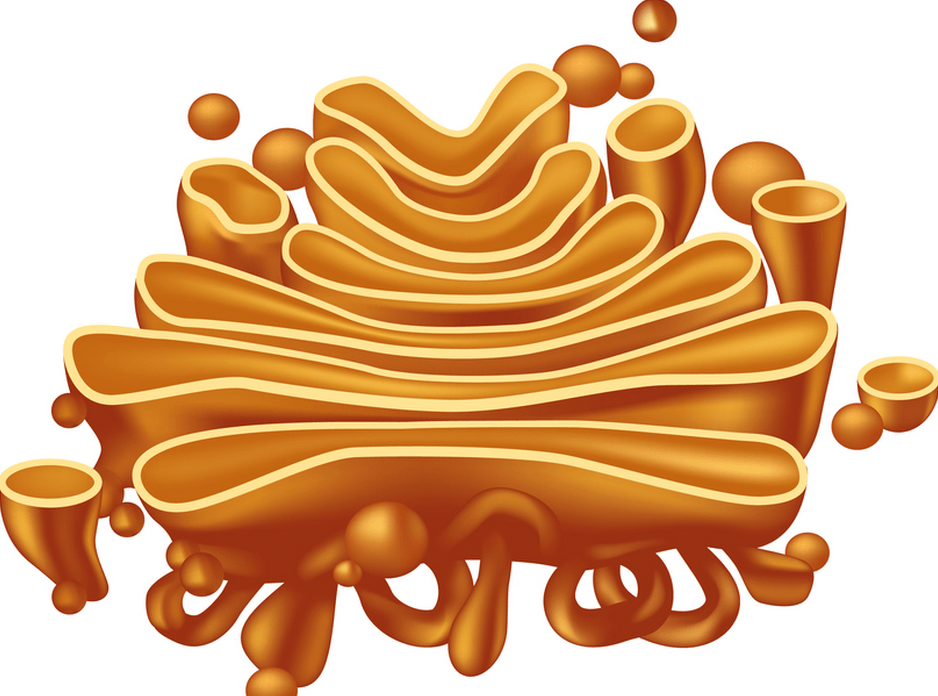
I am a protein packaging and shipping machine! Who am I?
a)
vacuole
b)
ribosome
c)
mitochondrion
d)
golgi apparatus
13.
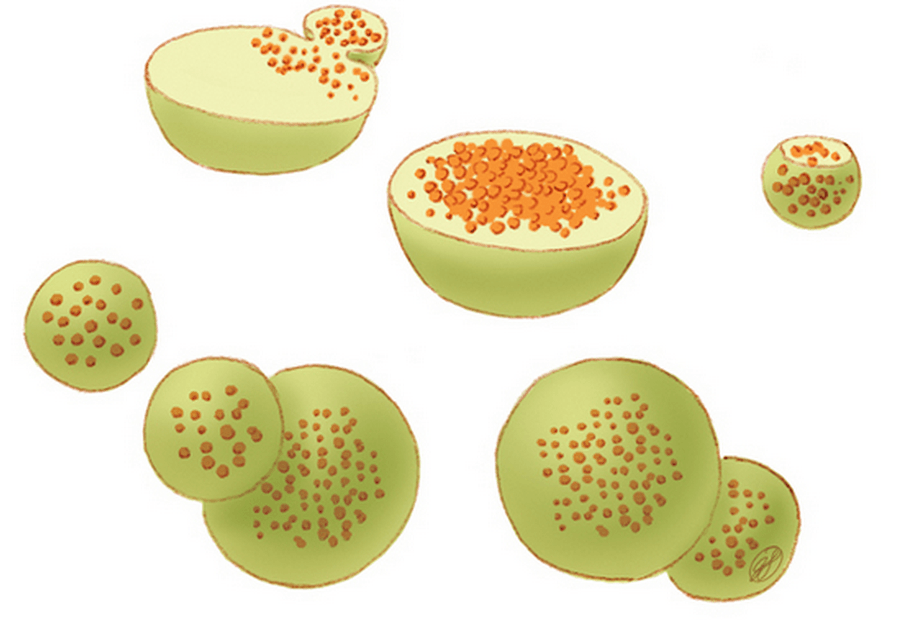
You might think of me as the trash collector, but recycler is maybe more accurate. What am I?
a)
mitochondria
b)
lysosome
c)
vacuole
d)
ribosome
14.
What is found in both plant and animal cells but is much larger in plant cells?
a)
Nucleus
b)
Mitochondria
c)
Chloroplast
d)
Vacuole
15.
This organelle takes food and turns it into ENERGY for plant and animal cells.
a)
Chloroplast
b)
Mitochondria
c)
Lysosome
d)
Ribosome
16.
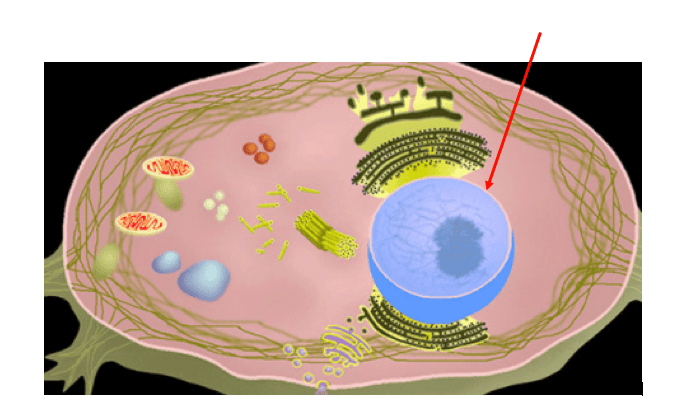
Identify the structure at the end of the arrow.
a)
Mitochondria
b)
Nucleus
c)
Ribosome
d)
Endoplasmic Reticulum
17.
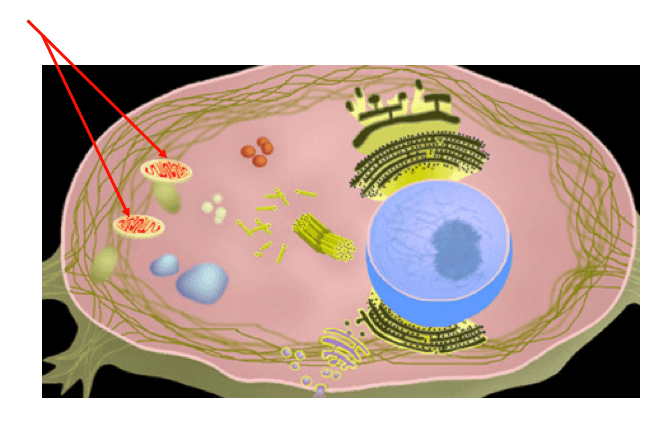
Identify the structures at the bottom of the arrows.
a)
Ribosomes
b)
Golgi Bodies
c)
Mitochondria
d)
Chloroplasts
18.

What is the total magnification of a microscope with two lenses when one lens has a magnification of 10x, and the other lens has a magnification of 30x?
a)
15x
b)
30x
c)
40x
d)
300x
19.
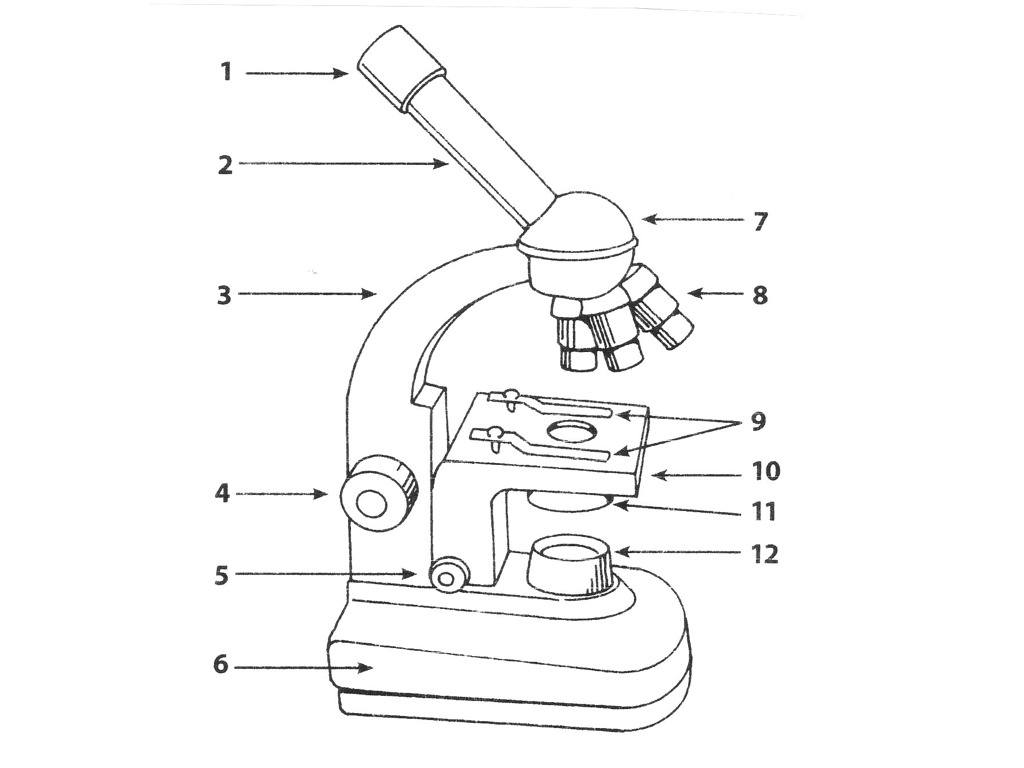
A microscope is an instrument that.
a)
makes faraway objects look closer.
b)
makes small objects appear larger.
c)
decreases the size of small objects.
d)
increases the size of small objects.
20.

When you focus on a new specimen, always begin with
a)
low power and coarse adjustment.
b)
low power and fine adjustment
c)
high power and coarse adjustment
d)
high power and fine adjustment
21.

If you move the slide left while viewing, in which direction will it appear to move?
a)
right
b)
left
c)
up
d)
down
22.

If you move the slide down while viewing, in which direction will it appear to move?
a)
right
b)
left
c)
up
d)
down
23.

Which part of the microscope controls the amount of light available?
a)
coarse adjustment knob
b)
diaphragm
c)
objective lens
d)
revolving nosepiece
24.

What is part 1?
a)
eye piece
b)
body tube
c)
arm
d)
coarse adjust
100 %

