Wayground logo

Free Printable Worksheets

Font size

S
M
L
XL
Worksheets

Change of Matter

Total questions: 36

Worksheet time: 3hrs 56mins

Name
Class
Date
1.
What are the states of matter?
a)
solid, liquid, and juice
b)
solid and liquid
c)
solid and gas
d)
solid, liquid, and gas
2.
a type of matter that can be found on earth as a solid, liquid, and gas
a)
gold
b)
water
c)
oxygen
d)
rock
3.
If you saw a glass of water and later the water was gone what happened to the water? Remember that your in the science lab.
a)
Ms. Klenk was very thirsty and drank the water.
b)
evaporation
c)
precipitation
d)
solubility
4.
Molecules are closest together in a 
a)
Solid
b)
Liquid
c)
Gas
d)
plasma
5.
Which state of matter has particles arranged like this?
a)
solid
b)
liquid
c)
gas
6.
Which state of matter has particles arranged like this?
a)
solid
b)
liquid
c)
gas
7.
Which state of matter has particles arranged like this?
a)
solid
b)
liquid
c)
gas
8.
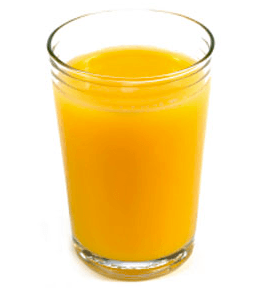
Which form of matter take the shape of a container like this juice?
a)
liquid
b)
solid
c)
glass
d)
gas
9.
Condensation is . . . .
a)
gas to liquid
b)
liquid to gas
c)
gas to solid
d)
solid to liquid
10.
Freezing (or solidification) is . . . .
a)
liquid to solid
b)
solid to liquid
c)
solid to gas
d)
solid to plasma
11.
The phase change from water vapor to liquid water is known as...
a)
evaporation
b)
precipitation
c)
condensation
d)
sublimation
12.
________________________ is the temperature at which a solid begins to liquefy.
a)
boiling point
b)
condensation point
c)
melting point
d)
evaporation point
13.
What happens to particles when they are heated?
a)
They speed up and spread out
b)
They slow down and compress
c)
They stop moving
d)
They move closer together and speed up
14.
All changes in the state of matter of a substance requires
a)
vibration
b)
water
c)
permission
d)
energy
15.
How are solids different from liquids?
a)
particles in solids are moving freely around each other.
b)
particles in solids have no motion.
c)
particles in solids are vibrating in place.
d)
particles in solids have more motion than in liquids
16.

What are the characteristics of a solid?

a)

Solids do not have a definite shape but have a definite volume

b)

Solids have a definite shape and no definite volume

c)

Solids do not have a definite shape and no definite volume

d)

Solids have a definite shape and definite volume

17.

Steam rising from wet clothes while ironing them. This is an example of__________.

a)

Evaporation

b)

Condensation

18.
Dew drops seen in the leaves of some plants in the morning. This is an example of__________.
a)
Evaporation
b)
Condensation
19.

Sam kept some water out side in the sun next day he saw nothing in the glass what happen to the water?

a)

It disappeared

b)

It evaporated

c)

Magic

20.
Is iron a conductor or insulator?
a)
Conductor
b)
Insulator
21.
Which of the following is NOT an insulator?
a)
Wool
b)
Plastic
c)
Copper
d)
Styrofoam
22.
Is wood a conductor or insulator?
a)
Conductor
b)
Insulator
23.
What is NOT an example of an insulator in the kitchen?
a)
An oven mitt
b)
Pots and pans
c)
A wooden spoon
d)
A plastic measuring cup
24.
All of the following are conductors except _______.
a)
metal spoon
b)
wire
c)
iron nail
d)
plastic spoon
25.
Thermal energy travels...
a)
Hot to cold
b)
Cold to hot
c)
Inside to outside
d)
Outside to inside
26.
An object that doesn't conduct heat well is known as:
a)
a conductor
b)
an insulator
27.

Which is NOT a way that heat can be produced?

a)

electricity

b)

rubbing your hands together

c)

fire

d)

rain

28.

What is a conductor?

a)

a material that heat moves through easily

b)

a material that heat does not move through easily

c)

a material that turns cold when heated

d)

a tool for measuring temperature

29.

What is an insulator?

a)

a material that heat moves through easily

b)

a material that heat does not move through easily

c)

a material that turns cold when heated

d)

a tool for measuring temperature

30.

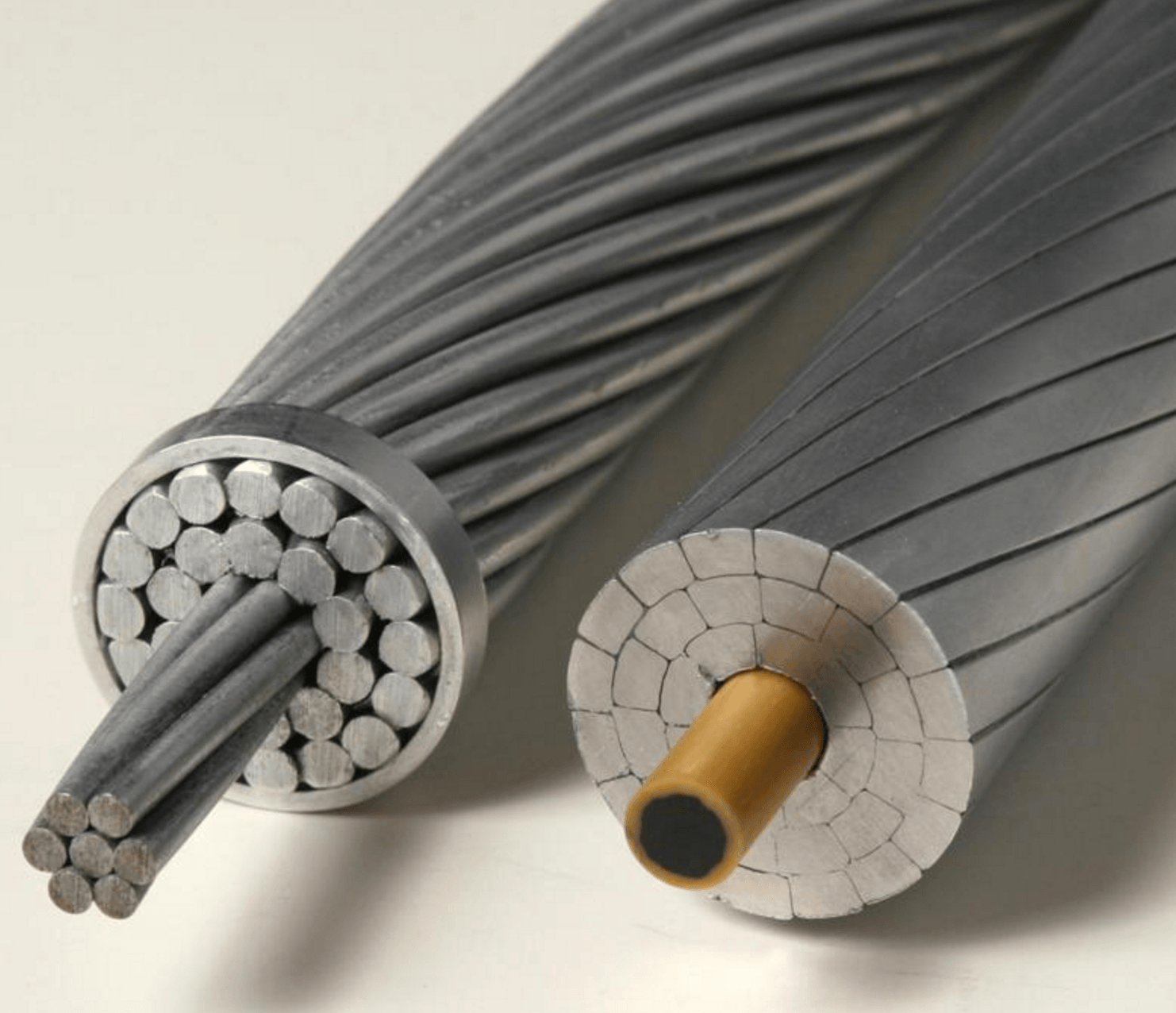
Which of these is a better conductor?

a)
b)
31.

A substance is able to flow freely within a container. What state of matter is the substance in?

a)

Liquid

b)

Gas

c)

Solid

d)

Plasma

32.

Where is the element's atomic NUMBER located?

a)

the top

b)

the bottom

c)

the top + the bottom

d)

the number of protons + the number of neutrons

33.

Which subatomic particle has a negative charge?

a)

proton

b)

neutron

c)

electron

34.

Which subatomic particle has a positive charge?

a)

proton

b)

neutron

c)

electron

35.

Which subatomic particle has a neutral or no charge?

a)

proton

b)

neutron

c)

electron

36.
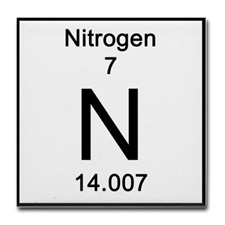
What is the number of protons that the element in this image contain?
a)
14
b)
7
c)
15
d)
18