
 Worksheets
Asexual reproduction
Total questions: 25
Worksheet time: 13mins
This type of reproduction need the fusion of 2 different cells
sexual
asexual
fine
fussion
all types of reproduction
Reproduction can be ______ or _______.
asexual / mitotic
sexual / asexual
meiotic / mitotic
sexual / bisexual
This is one type of asexual reproduction.
laboratorial
final
vegetative regeneration
animal regeneration
In _______ ____________ only one parent organism produces offspring.
sexual reproduction
asexual reproduction
binary reproduction
usual reproduction
This is a disadvantage of asexual reproduction.
Combination of different parent´s genetic information
Being able to reproduce without a mate.
Little genetic variation within a population.
Needs to join two sexual cells to reproduce.
This type of asexual reproduction is done only in unicellular organisms. (mark all possible answers)
mitotic cell division
fission
vegetative reproduction
animal regeneration
A hydra reproduces when an outgrowth, or bud, forms and continues to develop until it falls off of the parent. This is an example of:
Binary Fission
Sporulation
Budding
Vegetative Propagation

Which type of asexual reproduction is taking place?
A planarian is a non-parasitic flatworm. If a planarian was injured by a predator, it could re-grow its body parts. If the body parts were not eaten by the predator, the part could re-grow into a whole new planarian as well.
Budding
Fission
Vegetative reproduction
Animal Regeneration
Which of the following are involved in asexual reproduction?
fertilization
meiosis
sperm
zygote
none of these are involved in sexual reproduction
Cell division in prokaryotes that forms two genetically identical cells.
cloning
budding
fission
regeneration
vegetative reproduction
Which types of organisms typically reproduce by fission?
hydra
bacteria
planaria
plants
all of these
Many unicellular eukaryotes reproduce by this method.
fission
budding
regeneration
mitotic cell division
vegetative reproduction
Occurs when an animal offspring grows from a piece of its parent.
fission
budding
mitotic cell division
regeneration
vegetative
A type of asexual reproduction performed in a laboratory that produces identical individuals from a cell or from a cluster of cells taken from a multicellular organism.
cloning
regeneration
fission
budding
vegetative reproduction
What was the name of the first cloned mammal?
Molly
Polly
Dolly
Holly
Mrs. Jung
Which of these is NOT an advantage of asexual reproduction.
Enables organisms to reproduce without a mate
Requires less time and energy
Results in little genetic variation
Enables organisms to produce large amounts of offspring
Enables plants to spread and colonize an area in a short period of time
The prefix a- in the term asexual means
one
alike or identical
above
without

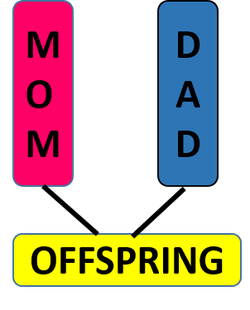
Requires two parents
sexual
asexual

