
 Worksheets
Solubility and Solutions
Total questions: 15
Worksheet time: 33mins
You can make a solute dissolve more quickly in a solvent by
adding more solute.
adding ice.
heating the solvent.
removing some solvent.
A solution that contains all of the solute it can hold at a given temperature is
diluted.
saturated.
supersaturated.
unsaturated.

Three 10 g samples of sugar are represented below.
Sample A dissolves in water more slowly than sample B.
Sample B dissolves more slowly than sample C.
Which of the following best explains why sample A dissolves more slowly than the other two?
It has the most volume.
It has the smallest surface area.
It has the largest number of sugar molecules.
It has the fewest bonds between sugar modules.


Based on the solubility curve, how many grams of sugar will dissolve in a 100 mL of water at 20°C?
100 g
150 g
200 g
250 g

Sugar dissolved in water is an example of a
Homogeneous Mixture
Heterogeneous Mixture

How can you create a supersaturated solutions?
Dissolve lots of solvent in the solute
Dissolve a little solute in the solvent
Dissolve more solute in the solvent than you should be able to
Dissolve a super amount of solvent in the solute
Water is known as
the universal solute
something you drink to stay young
the universal solvent
something you drink to get old
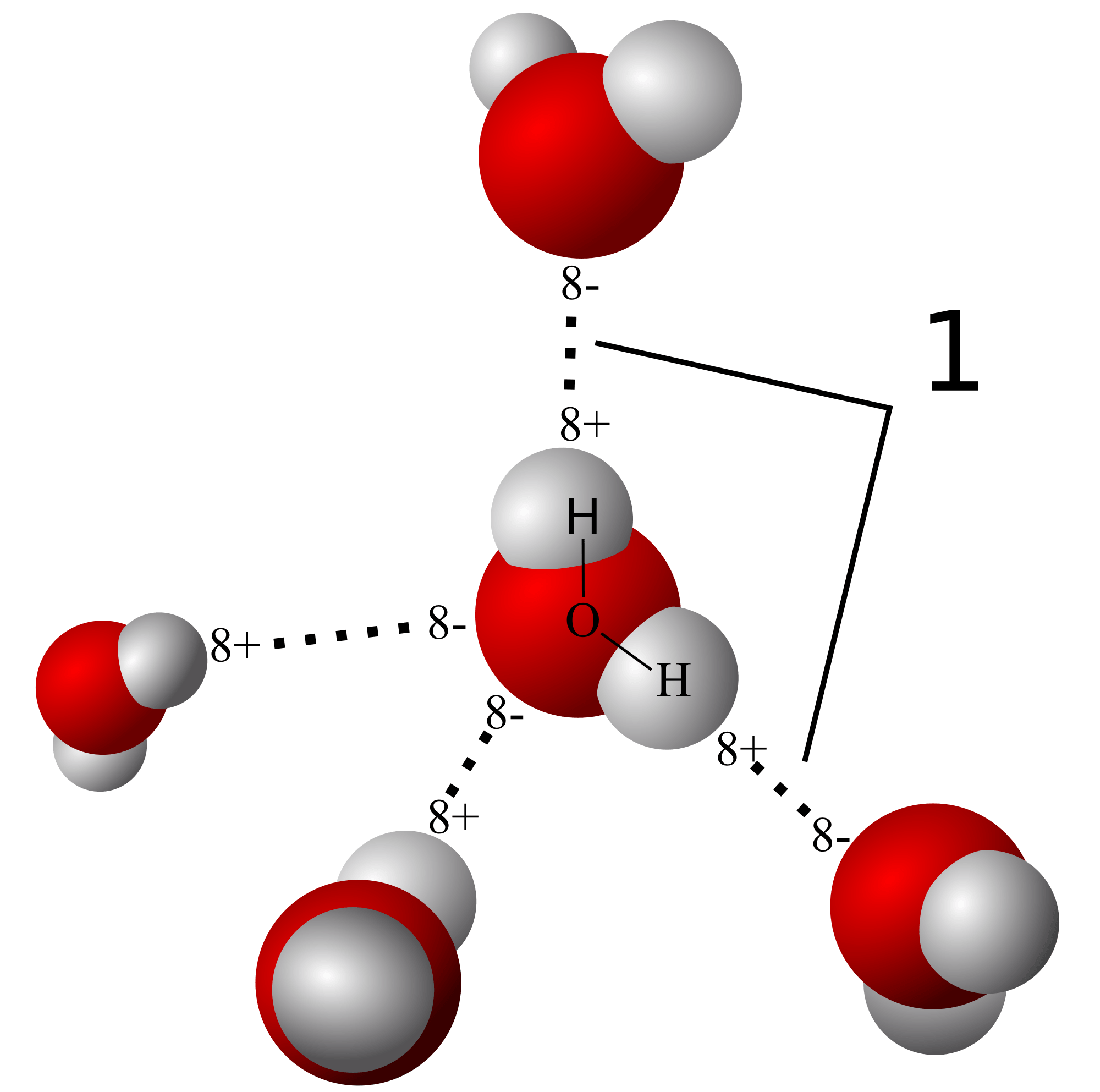

molecule in which opposite ends have opposite electric charges
cohesion
nonpolar molecule
solution
polar molecule

