
Font size
 Worksheets
DMS Nervous System
Total questions: 44
Worksheet time: 2hrs 52mins


Identify the lobe of the brain. This functions in controlling vision.
frontal
temporal
occipital
parietal
What is the largest area of the brain that controls everything we are conscious or aware of?
Cerebellum
Cerebrum
Diencephalon
Brain Stem
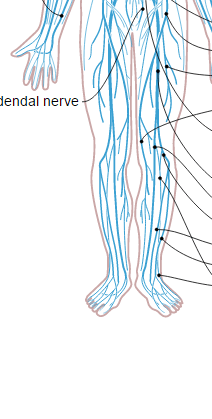
This is a picture of the (blue part)
peripheral nervous sysyem
central nervous system
respiratory system
circulatory system

The long, fiber like part of a neuron which the cell sends information to tail fibers and on to other neurons.
axon
dendrite
axon terminal
gene
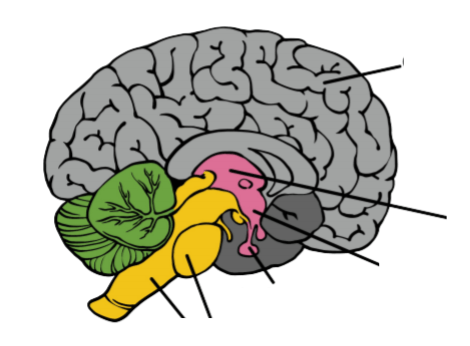
What structure is grey in this picture?
Cerebrum
Cerebellum
Brain Stem
The part of the PNS that controls involuntary actions
autonomic nervous system
somatic nervous system
organic nervous system
reflexive nervous system
The tiny gap between neurons where nerve impulses are sent from one neuron to another. It is where communication occurs between two neurons.
synapse
axon terminal
impulse
myelin

As organisms get more complex, cells become specialized to perform specific functions in the body. What is the function for the cell shown?
contract and shorten to allow movement
provide coverage and protection
carry impulses or signals around the body
connects parts together
The brain has 3 major sections that send and receive signals to control all the activities that keep a person functioning efficiently. Which major section controls breathing and heart beat?
cerebellum
cerebrum
brain stem
cortex
This part of the neuron stores then releases neurotransmitters into the synapse between two neurons.
Axon
Dendrite
Myelin Sheath
Axon Terminal/terminal buttons

This part of the neuron RECEIVES chemical messages from the neurotransmitters of other neurons. It is labeled A in the diagram.
Dendrite
Axon
Axon Terminal
Cell Body

What is this? It coordinates muscle movements.
Cerebrum
Cerebellum
Brain Stem
Diencephalon
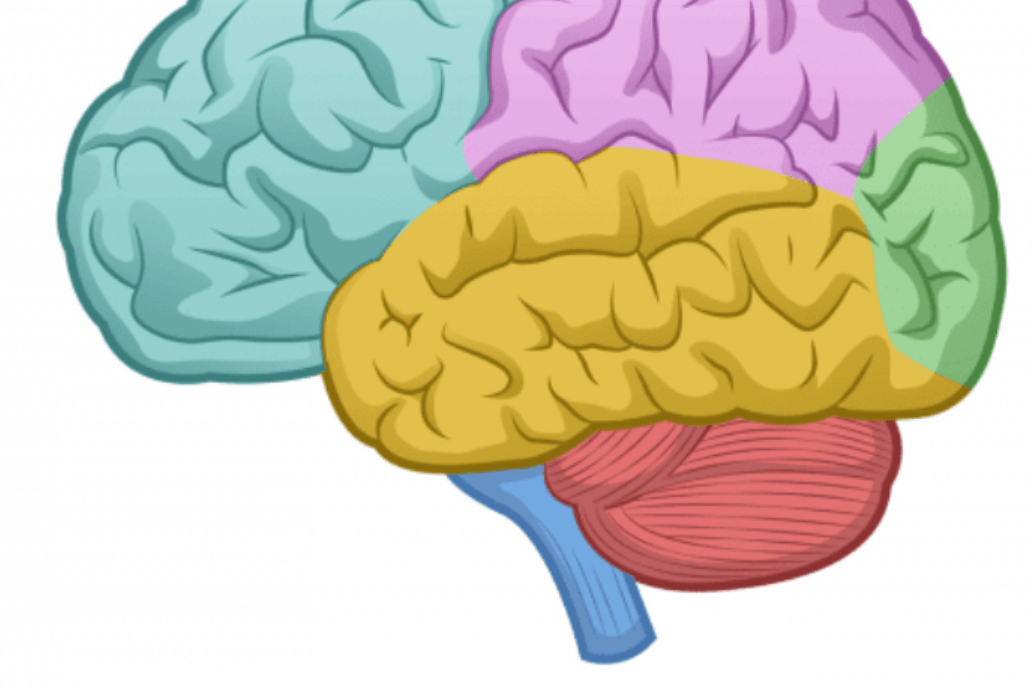
What structure is bright blue, not turquois, and located at bottom of the brain and controls the information sent between brain and rest of the body?
Cerebrum
Cerebellum
Brain Stem

Which part of the brain controls your blood pressure and heart rate?
brain stem
cerebrum
cerebellum
adrenal gland
What is the gap between two neurons called?
Impulse
Synapse
CNS
Inter neuron
Which statement best describes a reflexes?
Slow response that you have to think about
Rapid response to protect body from harm
The division or part of the nervous system s that is composed of the brain and spinal cord.
Autonomic Nervous Sytem
CNS
PNS
Somatic Nervous System

_____ neurons carry messages AWAY from the brain or spinal cord and out to muscles or glands to control the muscle or gland. Which type of neuron is this?
sensory
motor
inter
central
Which way does an impulse travel
From dendrite to axon and out axon terminal/terminal buttons
From axon to axon and out dendrite terminal
From axon to dendrite and out axon terminal/terminal buttons
From cell body to dendrite and out axon terminal/terminal buttons
__________ Process messages sent FROM sensory neurons that are headed TOWARD motor neurons.
Active Neurons
Interneurons/Interphase neurons
Refraction Neurons
Flower Neurons
What is the function of the nervous system?
to control and coordinate body functions and systems.
to protect the body from harm.
to identify pain and begin healing.
to break down food.
Select all of the organs of the nervous system:
Brain
Heart
Spinal Cord
Nerves
Stomach
The basic unit of structure and function in the nervous system is a nerve cell. Nerve cells are also called-
Osteocytes
Dendrites
Neurons
Spinal Cords
What is the function of a nerve?
To transport needed food around the body
To control body movement for reflexes.
To carry messages (impulses) to and form the Central Nervous System
All of the above
The column of tissue connecting the brain to peripheral nerves is...
spinal cord
central nervous system
peripheral nervous system
All of the above


What is a stimulus?
A major organ in the brain that is a part of the nervous system.
What your body does to a change or a signal.
A change or a signal your body receives that causes a response.
Which of the following is NOT part of a neuron?
dendrite
axon
myelin
medulla oblongata
What lobe of the cerebrum is responsible for visual processing?
frontal
parietal
temporal
occipital

