
Font size
S
M
L
XL
 Worksheets
Activate 2 Matter (Elements & Periodic Table)
Total questions: 25
Worksheet time: 23mins
Name
Class
Date
1.
What are the elements in group 1 (the far left) of the periodic table called?
a)
Alkali metals
b)
Alkaline earth metals
c)
Halogens
d)
Noble gases
2.
All matter is made of
a)
atoms
b)
cells
3.

Nitrogen
a)
N
b)
Ni
c)
He
d)
G
4.

Silver
a)
Si
b)
S
c)
E
d)
Ag
5.

Copper
a)
Cu
b)
C
c)
F
d)
Fe
6.

Nickel
a)
N
b)
El
c)
Ck
d)
Ni
7.

Vertical (up and down) columns in the periodic table are called _________ of elements and have similar properties.
a)
groups
b)
periods
8.
What is the name of K2O?
a)
dipotassium monoxide
b)
dipotassium oxygen
c)
Potassium oxide
d)
Potassium oxygen
9.
What is the name of NF3?
a)
mononitrogen trifluoride
b)
nitrogen trifluoride
c)
nitrogen flouride
d)
nitrogen fluorine
10.
What is the formula for Sodium Bromide?
a)
NaBr
b)
NaBr2
c)
Na2Br
d)
Na3Br
11.
What is the formula for Silicon dioxide?
a)
SO
b)
SO2
c)
SiO
d)
SiO2
12.
What is the formula for Sodium Nitrate? (refer to your polyatomic ions sheet)
a)
NaN
b)
NaN2
c)
NaNO3
d)
NaNO3
13.
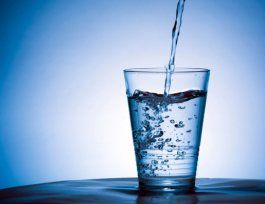
A pure substance...
a)
is an element or a compound
b)
is an element or a mixture
c)
is a compound or a mixture
d)
is a mixture
14.
What is an example of a mixture?
a)
Table salt
b)
Salt water
c)
Oxygen
d)
Air
15.
A substance made of only one type of atom is called —
a)
an element
b)
a mixture
c)
a compound
d)
a salt
16.
Which of the following is a way in which elements and compounds are similar?
a)
Elements and compounds are pure substances.
b)
Elements and compounds are both made up of different kinds of atoms.
c)
Elements and compounds can both be broken down by physical means.
d)
Elements and compounds are listed on the periodic table.
17.
Which of the "Halogens" is found in liquid state at room temperature?
a)
Flourine
b)
Chlorine
c)
Iodine
d)
Bromine
18.
As you move down the group, halogens' reactivity...
a)
increases
b)
decreases
c)
doesn't change
d)
shows no trend.
19.
Which halogens is a solid?
a)
iodine
b)
fluorine
c)
bromine
d)
chlorine
20.
Which of the following is the most reactive in water?
a)
Lithium
b)
Sodium
c)
Potassium
21.
What is formed when sodium reacts with water?
a)
sodium oxide and hydrogen
b)
sodium hydroxide and hydrogen
c)
sodium hydroxide and oxygen
d)
sodium hydroxide and carbon dioxide
22.
What is the symbol equation for the reaction between sodium hydroxide and water?
a)
2Na + 2H2O → 2NaOH + H2
b)
Na + H2O → NaOH + H
c)
Na + H20 → NaCl + CO2
d)
2Na + 2H2O → 2NaH2 + O2
23.
Which of these is not a noble gas?
a)
Helium
b)
Argon
c)
Nitrogen
d)
Krypton
24.
True or false: Noble gases react with water
a)
True
b)
False
25.
select all the properties of noble gases that apply
a)
non reactive
b)
low ionization energy
c)
high boiling point
d)
can never conduct electricity
Reset

