wayground logo

Free Printable Worksheets

Font size

S
M
L
XL
Worksheets

Scientific Method

Total questions: 17

Worksheet time: 21mins

Name
Class
Date
1.
A series of steps used by scientists to solve a problem or answer a question. 
a)
scientific method
b)
recipe
c)
data collection
d)
metric system
2.

A testable explanation to a problem that has not yet been tested. (an educated guess)

a)

data

b)

theory

c)

hypothesis

d)

fact

3.
This variable in an experiment is the one being changed by the scientist. 
a)
dependent variable
b)
independent variable
c)
data
d)
control group
4.
Dependent variable means
a)
the scientist controls what to test
b)
educated guess
c)
ask a question
d)
what is being measured
5.
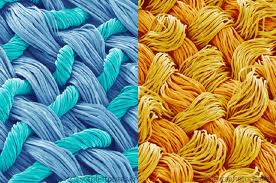
Dana want to know how different are synthetic fibers from natural fibers.
a)
recognize a problem
b)
test the hypothesis with an experiment
c)
form a hypothesis
d)
draw conclusions
6.
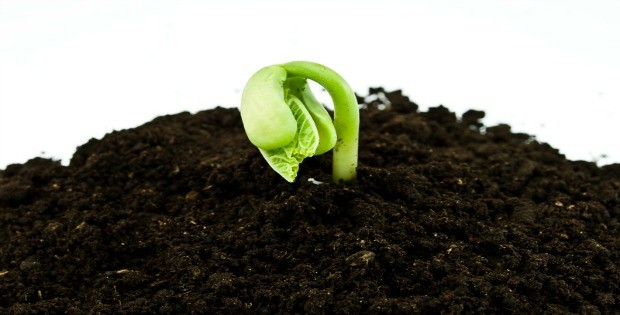
Stephen predicted that seeds would start to grow faster if an electric current traveled through the soil in which they were planted.
a)
recognize a problem
b)
test the hypothesis with an experiment
c)
form a hypothesis
d)
draw conclusions  
7.

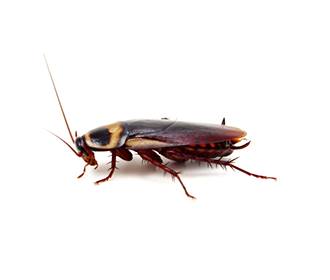
Johathan’s data showed that household cockroaches moved away from raw cucumber slices.

a)

recognize a problem

b)

test the hypothesis with an experiment

c)

form a hypothesis

d)

draw conclusions

8.
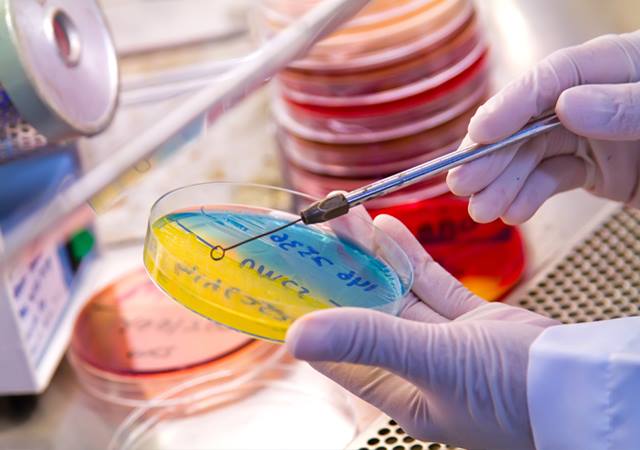
Rene grew bacteria from the mouth on special plates in the laboratory.  She placed drops of different mouthwashes on bacteria on each plate.
a)
recognize a problem
b)
test the hypothesis with an experiment
c)
form a hypothesis   
d)
draw conclusions
9.
Jose saw bats catching insects after dark.  He asked, “How do bats find insects in the dark?”
a)
recognize a problem
b)
test the hypothesis with an experiment
c)
form a hypothesis
d)
draw conclusions
10.
Testing a hypothesis often involves a(n):
a)
answer
b)
experiment
c)
problem
d)
safety check
11.
The summary at the end of an experiment that explains the results. 
a)
conclusion
b)
procedures
c)
materials
d)
responding variable
12.
The name of the information that you get from your experiment (you organize it into charts and graphs).
a)
observations
conclusion
b)
data
c)
variables
d)
hypothesis
13.
An experiment is performed on plants to see how different liquids affect plant growth. Each plant in the experiment is given a different liquid; water, apple juice, or milk. Each plant has the same amount of soil, sunlight, and listens to the same music. In this investigation, the independent variable is ...
a)
The type of plant
b)
The amount of sunlight
c)
The type of music
d)
The type of liquid
14.
If you increase the amount of spinach you eat, then you will increase the iron in your blood. 
What's the dependent variable?
a)
increase the amount of iron in your blood
b)
spinach you eat
15.
Will a construction paper air plane fly faster than an airplane made from notebook paper? Choose the best hypothesis.
a)
If I make a paper airplane from notebook paper, then it will fly faster than construction paper.
b)
Yes.
c)
No.
d)
I think the construction paper air plane will fly faster.
16.

Students treated a population of bean plants with fertilizer. They observed that these plants, on average, were taller than another population of the same kind of bean plants that were not treated with fertilizer. These observations lend support to which of the following conclusions?

a)

Not all plants respond to fertilizer the same way.

b)

Fertilizer can affect the growth of bean plants.

c)

Survival of bean plants is dependent on fertilizer.

d)

Only fertilizer can make bean plants larger.

17.

Which of the following procedures would provide the best data to test the effect of daylight hours on the number of blooms on rose bushes?

a)

Count the number of blooms on rose bushes in different areas of the world that have different amounts of daylight.

b)

Research the kinds of rose bushes that have the highest number of blooms to see how much daylight they need.

c)

Collect data on the number of blooms on rose bushes all grown under identical conditions, except hours of daylight.

d)

Study a single rose bush during different seasons and under different amount of daylight to see when it has the most blooms.