
 Worksheets
World Geography First Semester Test
Total questions: 40
Worksheet time: 20mins
atoll
shrub with massive root system helps prevent erosion
water part of earth
a ring-shaped reef, island, or chain of islands formed of coral.
the tidal mouth of a large river, where the tide meets the stream
coral
shrub with massive root system helps prevent erosion
a hard stony substance secreted by certain marine coelenterates as an external skeleton
parallel mountain range
windless area near the equator
mangrove
windless area near the equator
land part of the earth
a ring-shaped reef, island, or chain of islands formed of coral.
shrub with massive root system helps prevent erosion
cordilleras
a ring-shaped reef, island, or chain of islands formed of coral.
floating garden
land part of the earth
parallel mountain range
doldrums
water part of earth
windless area near the equator
buildings, roads, power supplies
a hard stony substance secreted by certain marine coelenterates as an external skeleton
estuary
a ring-shaped reef, island, or chain of islands formed of coral.
floating garden
the tidal mouth of a large river, where the tide meets the stream
parallel mountain range
hydrosphere
water part of earth
land part of earth
windless area near the equator
buildings, roads, power supplies
lithosphere
buildings, roads, power supplies
water part of earth
land part of earth
floating garden
chinampas
floating garden
parallel mountain range
buildings, roads, power supplies
windless area near the equator
infrastructure
windless area near the equator
the tidal mouth of a large river, where the tide meets the stream
peninsula and the mainland are connected by an isthmus.
buildings, roads, power supplies
Which of the following sentences correctly uses the word isthmus?
A peninsula and the mainland are connected by an isthmus.
The floods from a local isthmus cause extensive property damage.
An isthmus' reef is home to many species of marine life.
The world's largest isthmus is thousands of miles long.
Which ancient Latin American civilization studied math and astronomy and had a 365-day calendar?
Olmec
Maya
Aztec
Inca
Which ancient civilization is known for their stonework?
Olmec
Maya
Aztec
Inca
The capital of this ancient people was Tenochtitlán and is located under present day Mexico City and is who Mexico takes it's name from.
Olmec
Maya
Aztec
Inca
What is the dominate climate of Latin America?
Mediterranean
Highland
Tropical
Humid Subtropical.
The introduction of sugarcane to Latin America created a migration pattern in which —
Brazilians living in cities moved to the countryside to find work
significant numbers of enslaved Africans were brought to Brazil
Europeans came to Latin America in large numbers to work on plantations
native American Indian tribes in North America migrated to Latin America
Which project of the United States has served as a center of urbanization, transportation, and economic activities in Central America?
Port-au-Prince in Haiti
Panama Canal in Panama City
Pan-American Highway
Bridge of the Americas in El Salvador
Less developed countries have
high per capita income
low infant mortality rate
high literacy rate
low life expectancy
Which of the following is the main cause for the Atacama and Mojave Deserts?
Lack of rain due to the El Nino effect
They are located near mountains and they are affected by the rain shadow
They sit in a basin so rain does not fall there
They are NOT near oceans so they are not affected by the rain they produce.
Taiga / Boreal forest
made up of mainly conical-shaped evergreen trees with needle-like leaves, long, cold winters
frost-molded landscapes, extremely low temperatures, little precipitation, poor nutrients, and short growing seasons.
generally warm throughout the year and very hot in the summer, the winters usually bring little rainfall. Temperatures exhibit daily extremes
warm all year, too many animals to count and the huge numbers of trees keep their leaves year-round.
If it is winter December 25th for people in Texas what season is it in Argentina?
winter
spring
summer
fall
Longest day in the northern hemisphere
June 21st
September 23rd
December 21st
March 21st
Which boundary forms faults?
convergence
divergence
transform
colliding
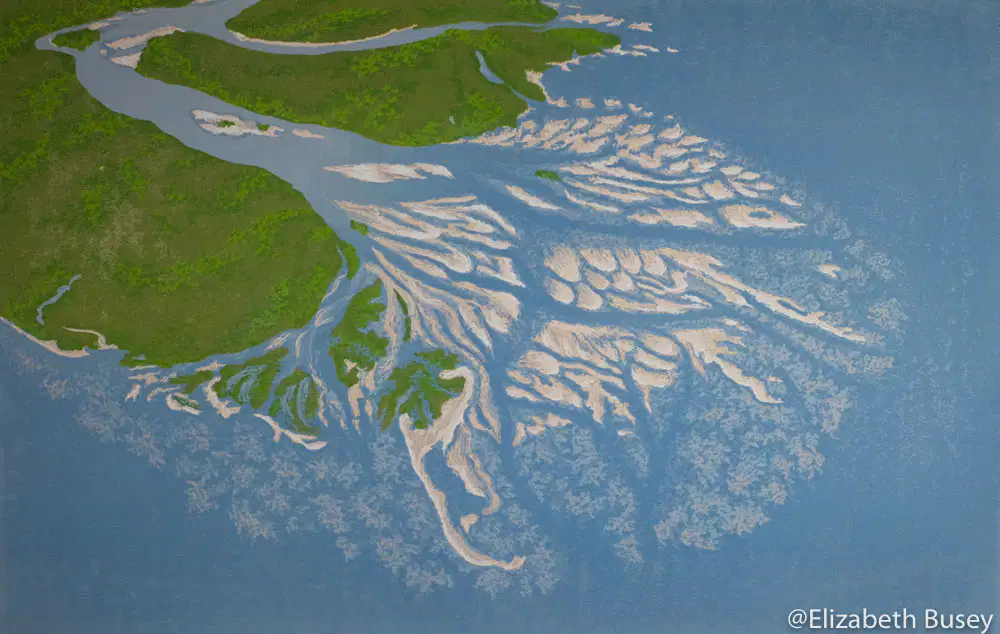
What is this landform?
Strait
isthmus
delta
archipelago
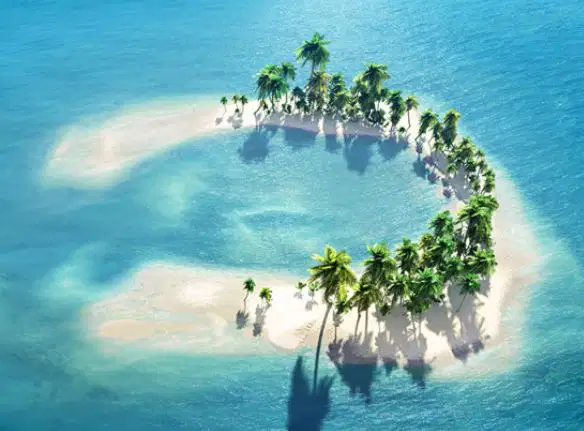
What is this landform?
archipelago
strait
atoll
fjord

Iceland's coastline has been carved by glaciers making
archipelagos
straits
atolls
fjords
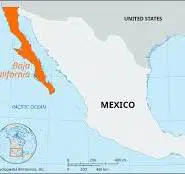
The Baja is an example of a ________
peninsula
strait
atoll
fjord
The earth's physical features
Geography
Topography
Cartographer
Biography
the study of the earth
Geography
Topography
Cartographer
Biography
Map maker
Geography
Topography
Cartographer
Biography
microwave signals to communicate with a receiver
GIS
GPS
INF
NAFTA

Measure east and west
line of demarcation
parallel line
latitude line
longitude line
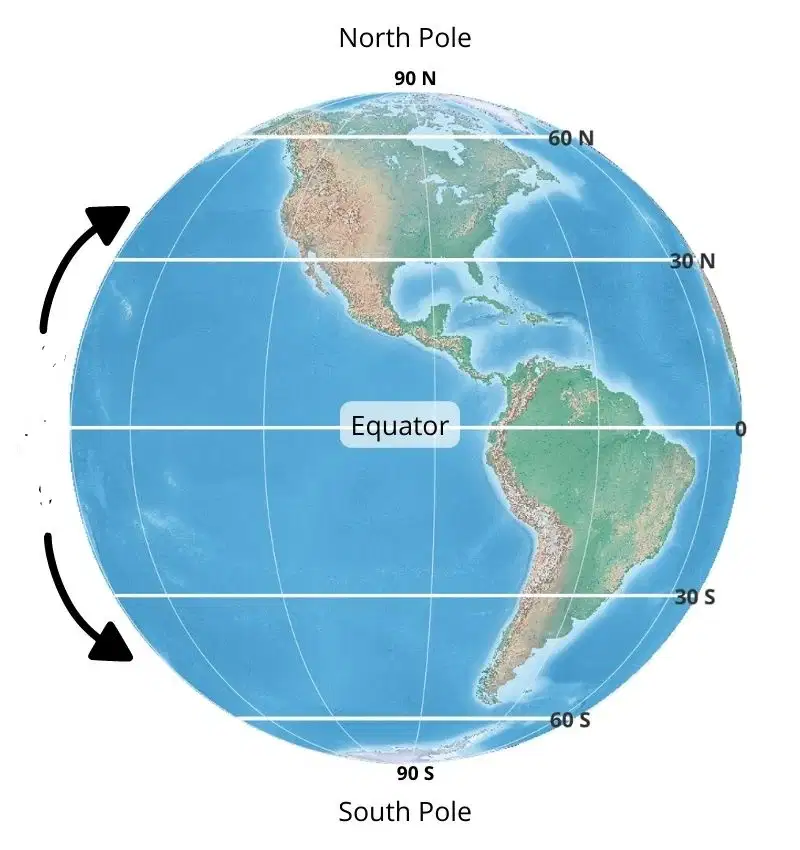
Measure north and south
line of demarcation
meridian line
latitude line
longitude line
Date of the Constitution of United States
July 4, 1776
September 11, 1887
September 17, 1787
June 10, 1865
Which day is the longest day of the year in the Northern Hemisphere?
December 21st
March 21st
September 23rd
June 21st
Evergreen Trees
Flora
Fauna
Coniferous
Deciduous
Trees that lose their leaves in the fall.
Flora
Fauna
Coniferous
Deciduous
Animals
Flora
Fauna
Coniferous
Deciduous
Plants
Flora
Fauna
Coniferous
Deciduous
Longest mountain range in the Western Hemisphere
Himalayas
Appalachian
Rockies
Andes

