Wayground logo

Free Printable Worksheets

Font size

S
M
L
XL
Worksheets

Unit 2: Chemistry Exit Ticket

Total questions: 25

Worksheet time: 19mins

Name
Class
Date
1.
Which subatomic particles are found in the nucleus of an atom?
a)
Protons and Electrons
b)
Protons and Neutrons
c)
Neutrons and Electrons
d)
Protons, Neutrons and Electrons
2.

How many protons does an aluminum atom have?

a)

27

b)

14

c)

40

d)

13

3.
What element is represented in this Bohr Model? 
a)
Carbon
b)
Hydrogen
c)
Aluminum
d)
Lithium
4.
Which particle is negatively charged?
a)
proton
b)
atom
c)
neutron
d)
electron
5.

Why do elements form bonds?

a)

to get a charge

b)

so they can make friends

c)

to become stable by getting a full valence shell

d)

to become stable by increasing their mass

6.

What is the ion formed from Sulfur?

a)

S+2

b)

S-2

c)

S+6

d)

S-6

7.

If an atom loses electrons, the charge will be positive.

a)

true

b)

false

8.

A Bromine ion gains 1 electron, which of the following is the correct symbol for a Bromine ion?

a)

Br-1

b)

Br+1

c)

Br+7

d)

Br-7

9.

Valence electrons are found

a)

in the innermost energy level of an atom

b)

in the middle energy levels of an atom

c)

in the outermost energy levels of an atom

10.
How are ionic bonds formed?
a)
Transfer of electrons
b)
Sharing of electrons
11.
Ionic bonds form between two ions that have...
a)
ionic compounds
b)
negative charges
c)
positive charges
d)
opposite charges
12.
How do covalent bonds form?
a)
Donating & receiving valence e- between atoms.
b)
Opposite slight charges attract each other between compounds.
c)
Scientists are still not sure how they form.
d)
Sharing valence e- between atoms.
13.

What type of bond is formed in this image?

a)

Ionic

b)

Covalent

14.
The chemical bond formed when two atoms share electrons  is called a(an) IONIC bond. 
a)
True
b)
False
15.
a)
energy levels
b)
valence electrons
c)
protons
d)
neutrons
16.

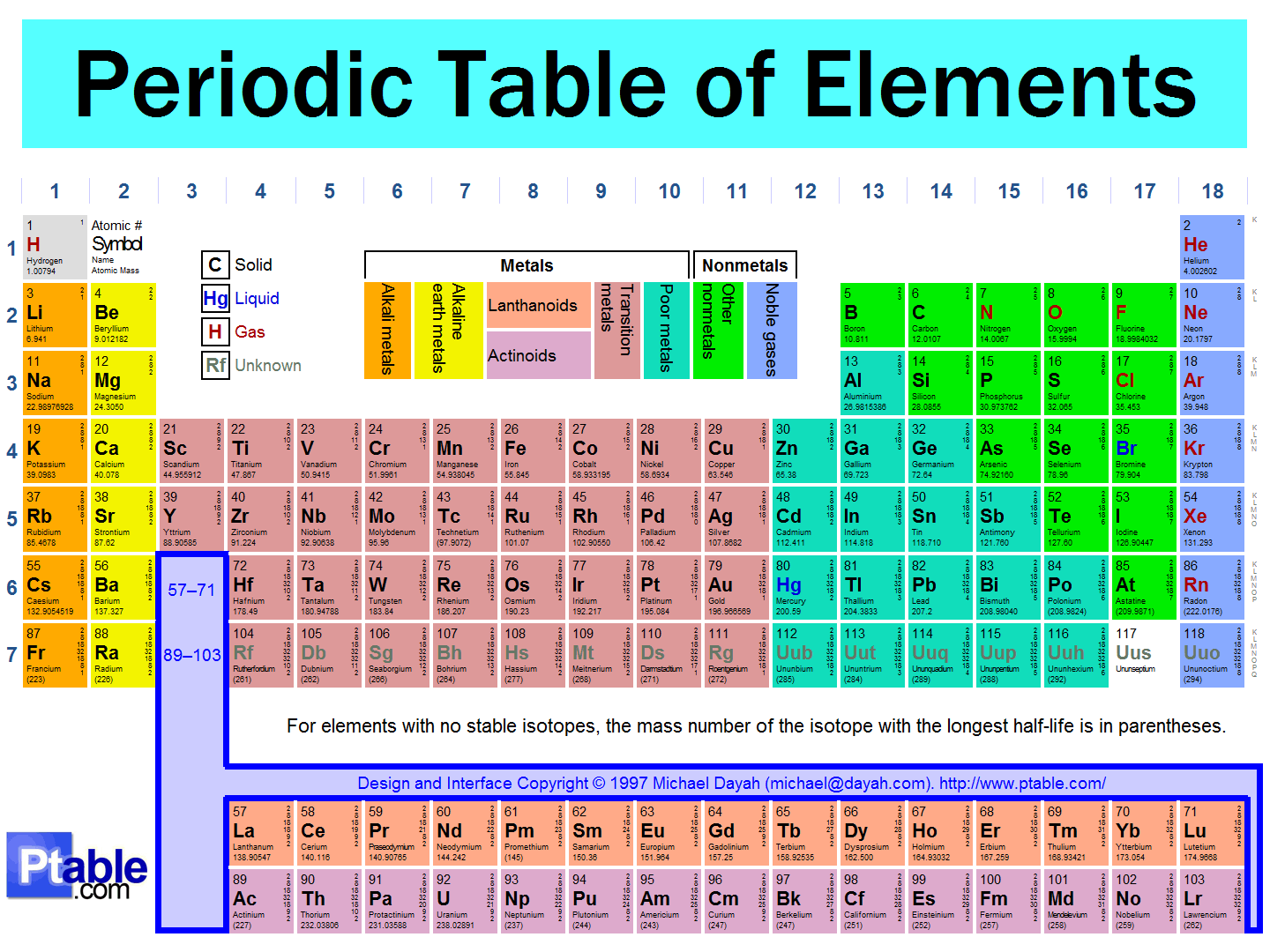
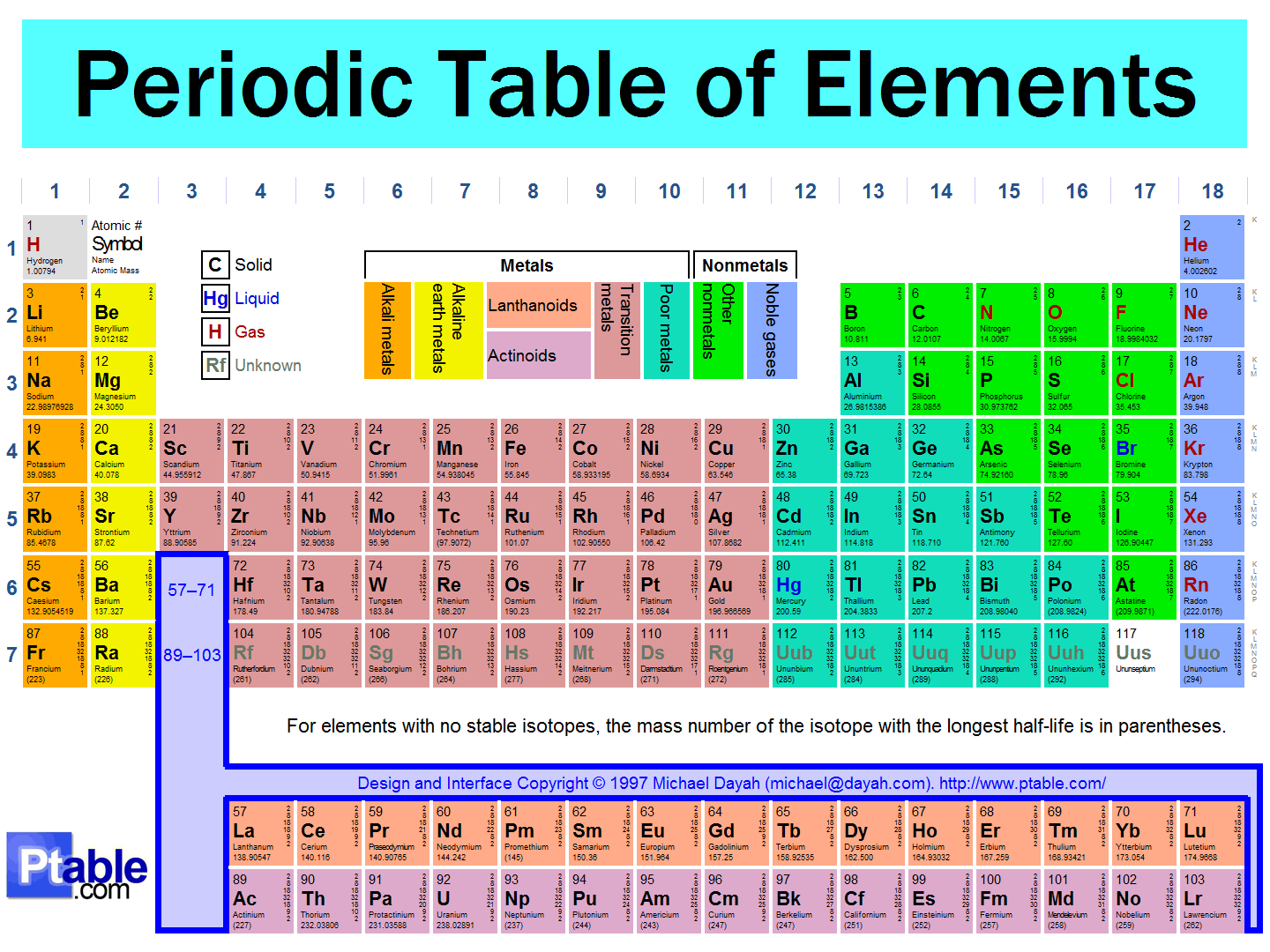
The vertical (up and down) columns in the Periodic Table are called

a)

groups

b)

towers

c)

periods

d)

atomic numbers

17.
Sodium (Na) is found in period 
a)
3
b)
2
c)
4
d)
1
18.
Sodium (Na) is found in group 
a)
1
b)
2
c)
3
d)
4
19.
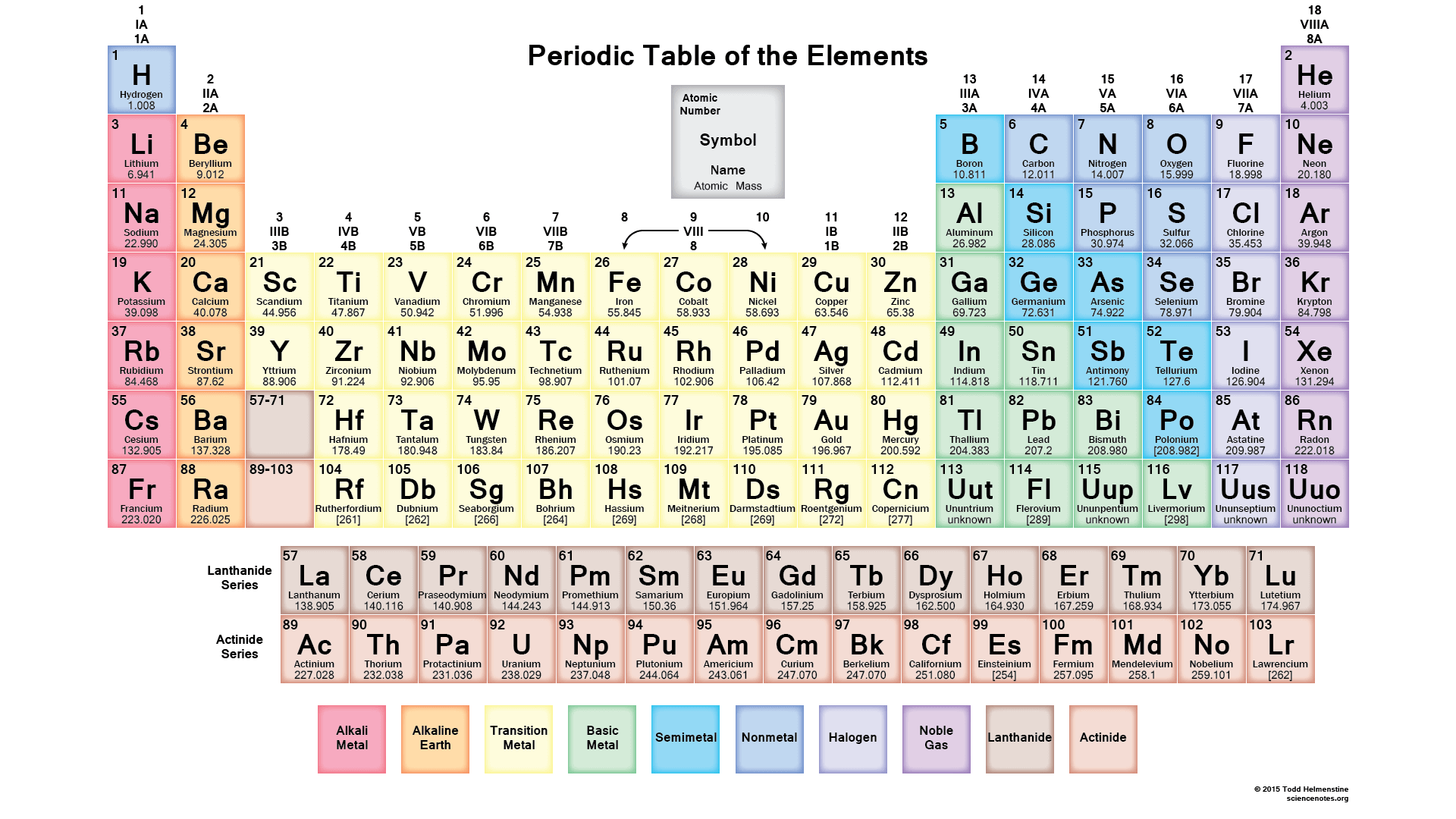
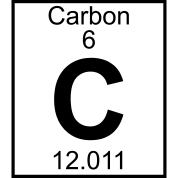
What does the 6 represent?
a)
atomic mass
b)
atomic number
c)
element name
d)
chemical symbol 
20.
What does 12.011 represent?
a)
atomic mass
b)
atomic number
c)
element name
d)
chemical symbol 
21.

The horizontal (side to side) rows in the Periodic Table are called

a)

groups

b)

families

c)

periods

d)

atomic numbers

22.

neutron

a)

A subatomic particle that has a positive charge and that is found in the nucleus of an atom

b)

not able to conduct heat or electricity, little to no metallic luster

c)

A subatomic particle that has a negative charge

d)

A small particle in the nucleus of the atom, with no electrical charge

23.

A subatomic particle that has a positive charge and that is found in the nucleus of an atom

a)

Proton

b)

elecrtron

c)

groups

d)

neutrons

24.

A subatomic particle that has a negative charge

a)

nobles gases

b)

protons

c)

electrons

d)

neutrons

25.
a)
energy levels
b)
valence electrons
c)
protons
d)
neutrons