
 Worksheets
HG: Population Review
Total questions: 30
Worksheet time: 15mins

What age groups does the bottom of a population pyramid represent?
The elderly
The working adults
The children
Males

What does the whole right side of the population pyramid represent?
Males
Females
Unemployed
Young people

What age group does the top of the population pyramid represent?
The working people
The rich people
The elderly
The young people

What does the whole left side of the population pyramid represent?
Males
Females
The working class
The young

What growth rate does this population pyramid represent?
Rapid Growth
Slow Growth
Negative Growth
Zero Growth

What population growth rate does this population pyramid represent?
Zero Growth
Negative Growth
Slow Growth
Rapid Growth

Which population growth rate does this pyramid represent?
Rapid Growth
Slow Growth
Negative Growth
Zero Growth
Why do people live longer today than 200 years ago?
better health care
better restaurants
better hairstyles
better clothing
If a population pyramid shows that a country has more children (under 18) then any other age what infrastructure might that country need to invest in?
Retirement homes
Schools
Office buildings
Canals
If a population pyramids shows that most people living in the country are between the ages of 20-50 (working age) what should the country focus on?
Daycares
Job opportunities
Retirement homes
Schools
If a population pyramid is largest at the top, showing a high number of people age 65+, what should the country be focused on building?
Work places
Colleges
Daycares
Retirement homes
What is the replacement fertility rate?
0 children
1 children
2 children
3 children

The study of population patterns and changes is called ...
Population Desnity
Demography
Birth Rate
Migration

The number of people born per 1,000 residents is called the...
Birth Rate
Death Rate
Population
Population Growth
What is the process to treat someone with medicine to produce immunity against a disease.
Vacation
Medicine
Vaccinate
Treatment
What are somethings things that proper sanitation can provide. Check all that apply.
Clean drinking water.
Delicious coffee.
Adequate sewage disposal
Proper eating utensils.


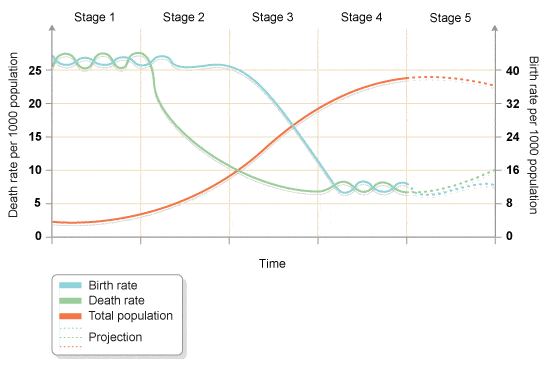
Death rates fall rapidly due to increased hygiene and medical advances during stage
1
2
3
4

VOCAB: The average number of children a female member of a population has during her lifetime
total fertility rate
replacement fertility rate
growth rate
death rate



When women in developing countries become educated...
The death rate increases
the country enters stage 5 of the Epidemiological Transition Model
the agricultural density increases
Fertility rates decrease


What does DTM stand for?
Demographic Transnational Modelling
Demographic Transition Model
Decreasing Thermal Medicines
Developing Transition Model

