wayground logo

Free Printable Worksheets

NEW

Font size

S
M
L
XL
Worksheets

Ecology

Total questions: 20

Worksheet time: 10mins

Name
Class
Date
1.
Which of the following is biotic?
a)
Building
b)
Apple
c)
Rock
d)
Sun
2.
An organism that produces its own food supply from inorganic compounds is called a(an)
a)
heterotroph
b)
consumer
c)
detritivore
d)
autotroph
3.
Where an organism lives
a)
habitat
b)
niche 
c)
heterotrogh
d)
biosphere
4.

A population is...

a)

A group of one species in one area

b)

Multiple species that live in one area

c)

All of the living and nonliving things in an area

d)

None of these

5.

An animal that eats only plants.

a)

scavenger

b)

omnivore

c)

herbivore

d)

carnivore

6.

An animal that eats both plants and animals.

a)

carnivore

b)

omnivore

c)

herbivore

d)

scavenger

7.

An animal that eats only meat.

a)

herbivore

b)

omnivore

c)

carnivore

d)

scavenger

8.
What is this called?
a)
Food Web
b)
Food Chain
c)
Abiotic Factors
9.
Bacteria, fungi, and earthworms are examples of: 
a)
scavengers
b)
predators
c)
prey
d)
decomposers
10.

Temperature, light, air, water, and soil are all _____ parts of the environment

a)

alive

b)

biotic

c)

abiotic

d)

living

11.

Which of the following is abiotic?

a)

A tree in a forest.

b)

Wood from the tree on the forest floor.

c)

A termite on the tree.

d)

The soil the tree is growing in.

12.

A close, ongoing relationship between species in which at least one is benefiting and the other is not helped or harmed.

a)

Commensalism

b)

Symbiosis

c)

Predator & Prey

d)

Mutualism

13.

There are birds that eat the food from between the teeth of alligators, leaving the alligators with clean teeth and the birds with a meal. What type of ongoing relationship is this?

a)

A. Predator & Prey

b)

B. Mutualism

c)

C. Commensalism

d)

D. Parasitism

14.

Which of the following is a predator and prey relationship?

a)

A. Cow and grass.

b)

B. Vulture and a dead lion.

c)

C. Tick and a deer.

d)

D. Spider and a fly.

15.
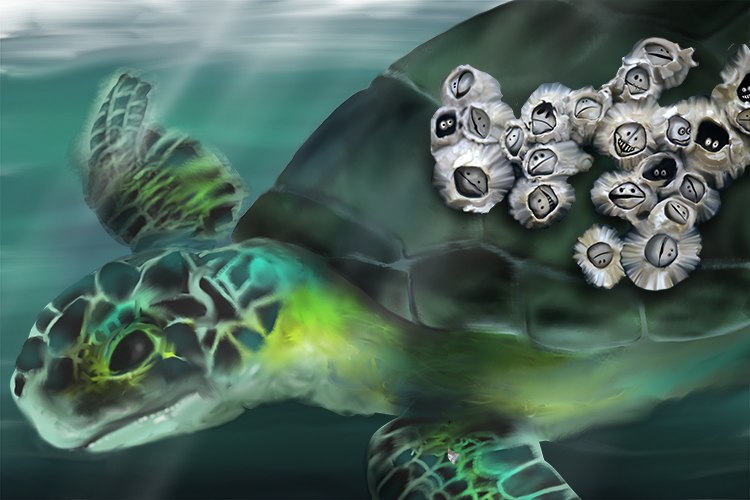
Barnacles attach themselves to whales. The whales are so large that they are seemingly unaffected. The barnacles get a habitat and food when the whale enters an area with abundant food resources. What type of relationship exists between the whale and the barnacle?
a)
mutualism
b)
commensalism
c)
parasitism
d)
predation
16.
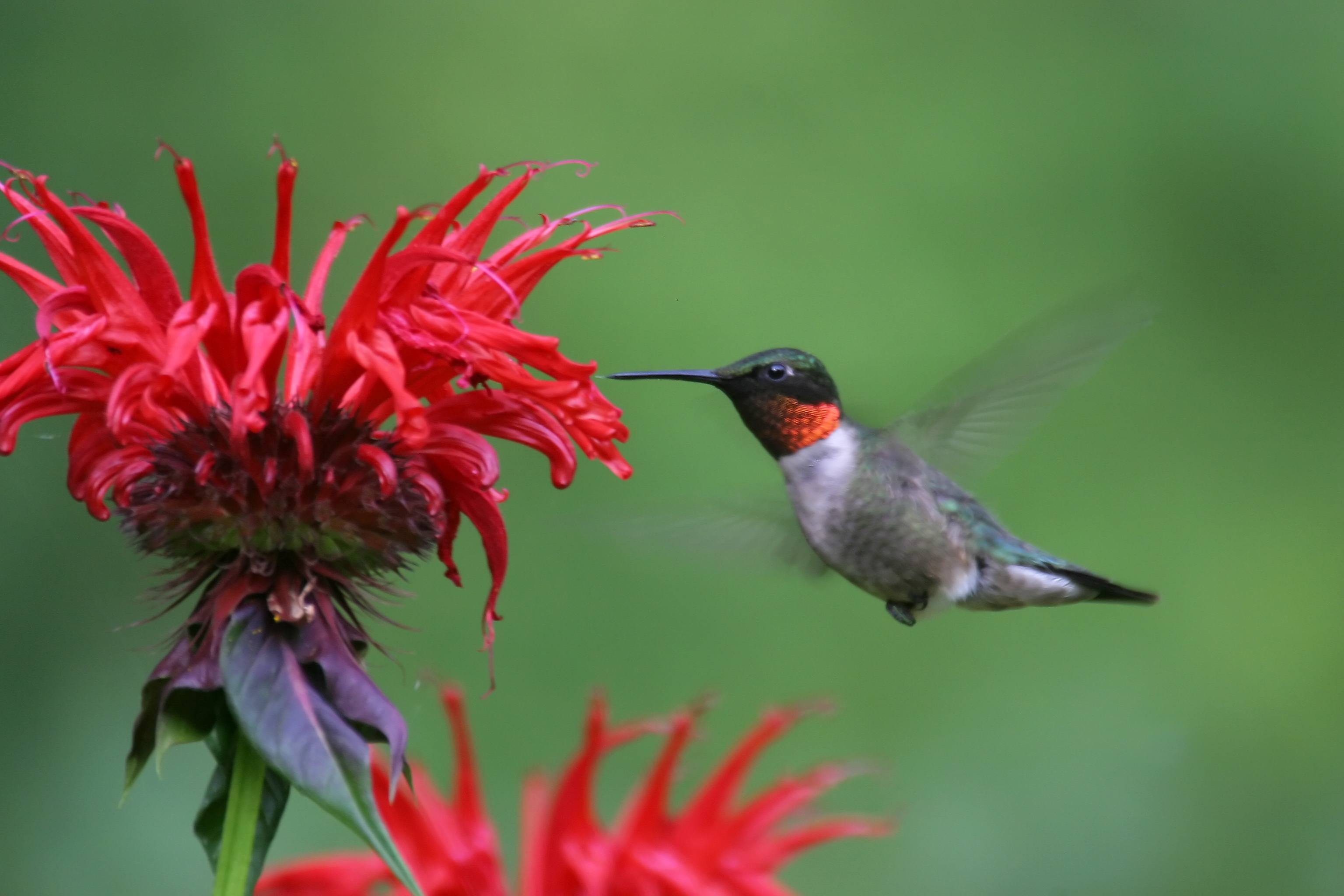
What type of symbiosis?  Hummingbirds feed on nectar from flowers.  The flowers are pollinated by hummingbirds as they move from flower to flower.
a)
commensalism
b)
mutualism
c)
parasitism
d)
predation
17.
Rabbits and deer eat lettuce leaves from a garden.
What ecological interaction describes the relationship between rabbits and deer?
a)
Mutualism
b)
Competition
c)
Commensalism
d)
Predation
18.
Which organisms are both secondary and tertiary consumers in this food web?
a)
Chemosynthetic bacteria and amphipods
b)
Zooplankton and mussels
c)
Ratfish and octopuses
d)
Galatheid crabs and zoarcid fish
19.
In the energy pyramid here, which organisms have the most energy available?
a)
Producers
b)
Carnivores
c)
Herbivores
d)
Top Predator
20.
If a disease destroying barley plants in a field swept through an ecosystem, what would happen to the barley eating bird population in the the field ?
a)
The bird population would stay the same
b)
The bird population would infinitely increase
c)
The bird population would decrease