wayground logo

Free Printable Worksheets

Font size

S
M
L
XL
Worksheets

Design Element and Principles

Total questions: 40

Worksheet time: 44mins

Name
Class
Date
1.
Line, color, value, texture, shape, form, and space are considered...
a)
elements of design
b)
principles of design
2.
Balance, pattern, movement, emphasis, rhythm, unity, and contrast are considered...
a)
principles of design
b)
elements of design
3.
Pattern uses the art elements in planned or random repetitions to enhance surfaces of paintings or sculptures.  Which of the examples given below is NOT a pattern?
a)
quilt
b)
grapefruit (sliced open)
c)
jewelry
d)
plain white canvas
4.
Rhythm is the __________ of visual movement--colors, shapes, or lines.  Fill in the missing word.
a)
repetition
b)
stopping
c)
replacing
5.
Visual movement is used by artists to direct viewers through their work, often to a certain point in the picture. This is called a...
a)
empty space
b)
back drop
c)
focal point
6.
The principle of balance refers to the distribution of visual weight in a work of art.  This famous image, popular in Chinese culture, is called...
a)
Yin & Yang
b)
Pisces symbol
c)
the Rooster
7.
The principle of emphasis is used by artists to create dominance & focus in their work.  Your eye is drawn to which color?
a)
red 
b)
green
8.
The principle of unity provides the cohesive quality that makes an art work feel complete & finished. The painting 'The Starry Night' was painted by which artist?
a)
Vincent Van Gogh
b)
Picasso
c)
Salvador Dali
9.
The element of space has depth, width, and height.  Actual space is a ___-dimensional volume that can be empty or filled with objects. Choose the best answer based on the image provided.
a)
1
b)
2
c)
3
10.
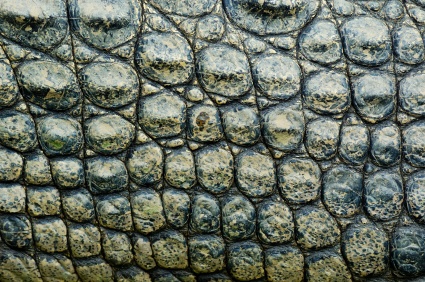
The element of texture refers to the surface quality, both simulated & actual, of artwork.  Texture describes how something...
a)
feels
b)
smells
c)
sounds like
11.
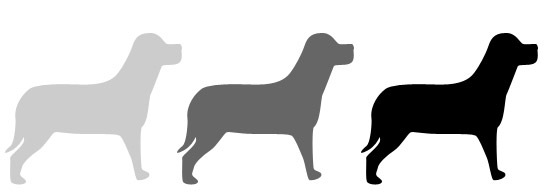
The element of value refers to light and dark. Value contrasts helps us to see & understand a 2-dimensional work of art. What popular fruit is shown in this image?
a)
pumpkin
b)
apple
c)
cucumber
12.
The element of color depends on light because it's made of light.  The whiter the light, the more true the colors will be.  Hue refers to the names of the colors. Which trio of colors are considered primary?
a)
green, orange, violet
b)
red, blue, yellow
13.
The element of form describes the volume & mass or the three dimensional aspects of objects that take up space. Which object is not shown in the following image?
a)
rectangular prism
b)
cube
c)
cylinder
14.
The element of line is a mark made by a pointed tool--brush, pencil, stick, pen, etc. and is often defined as a moving dot.  True or false?
a)
true
b)
false
15.
The image is a good example of which element?
a)
pattern
b)
texture
c)
shape
d)
emphasis
16.
This principle can be defined as: the relationship among the elements of a visual that helps all the elements function together.
a)
unity
b)
form
c)
shape
d)
balance
17.
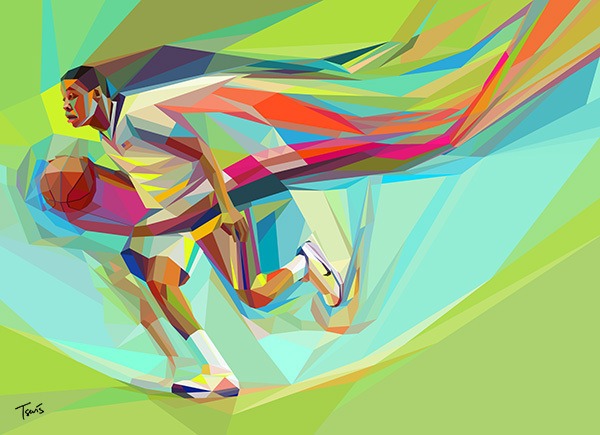
This image is a good example of which principle?
a)
value
b)
space
c)
movement
d)
contrast
18.
A __________  is an area that stands out from the space next to or around it due to a defined or implied boundary, or because of differences of value, color, or texture.
*hint- two dimensional
a)
shape
b)
form
c)
emphasis
d)
value
19.
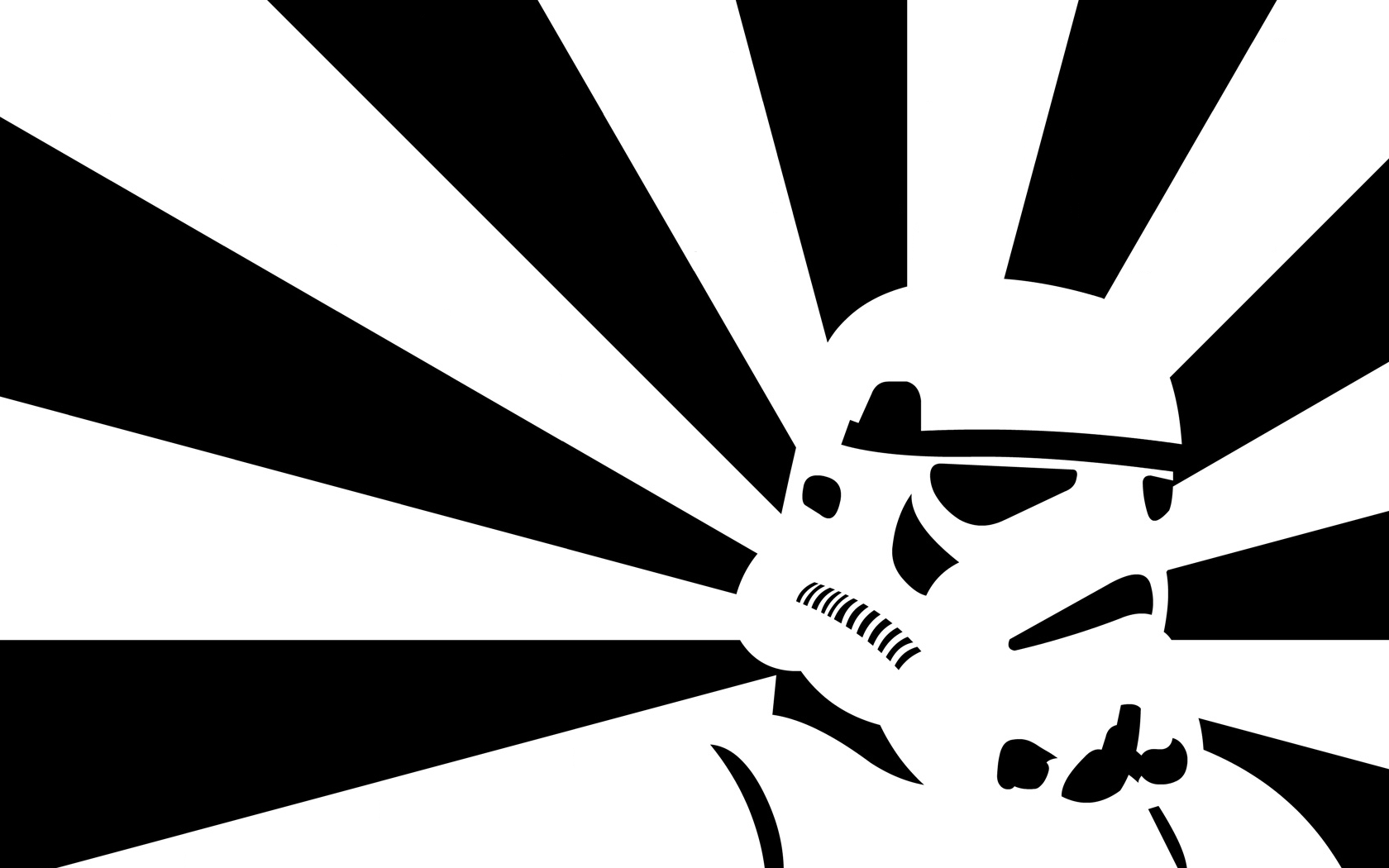
This image is a good example of which principle?
a)
space
b)
movement
c)
form
d)
value
20.
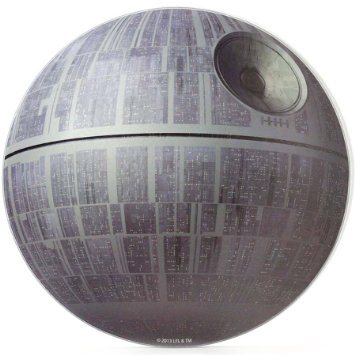
This image is a good example of which element?
*hint- three dimensional
a)
rhythm
b)
contrast
c)
form
d)
shape
21.
__________ is the repetition or alternation of elements, often with defined intervals between them.  _________ can create a sense of movement, and can establish pattern and texture.
a)
pattern
b)
value
c)
emphasis
d)
rhythm
22.
This image is a good example of which element?
a)
value
b)
balance
c)
emphasis
d)
color
23.
This image is a good example of which principle?
a)
pattern
b)
form
c)
line
d)
color
24.
__________ is the equal distribution of visual weight in a design.
a)
emphasis
b)
balance
c)
space
d)
value
25.
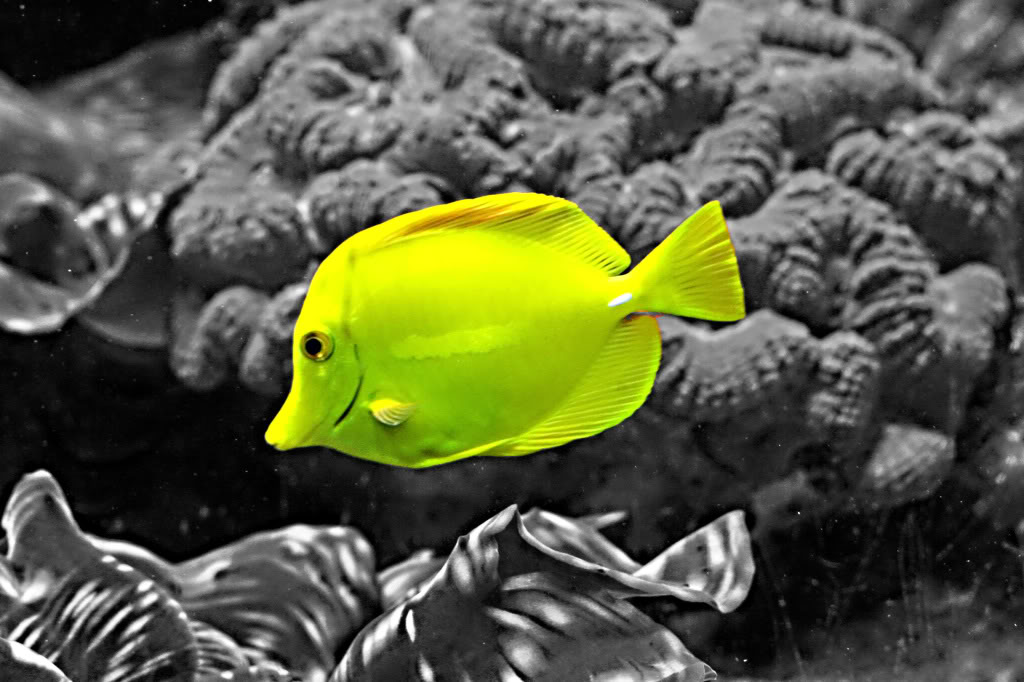
This image is a good example of what principle?
a)
space
b)
emphasis
c)
line
d)
texture
26.
In design, there are 3 main types of balance:
1)  __________
2)  asymmetrical
3)  radial
a)
symmetrical
b)
weighted
c)
tip of the nose
d)
pan
27.
This picture shows what type of balance?
a)
radial
b)
symmetrical
c)
asymmetrical
d)
rock
28.
The relative size and scale of the various elements in a design refers to ...
a)
balance
b)
proportion
c)
color
d)
unity
29.

Which of the following is not an example of how to create emphasis...?

a)

Make one element larger

b)

Make all items the same size

c)

Use various colors

d)

Use different styles of type

30.
The primary colors are?
a)
Red, Yellow, and Orange
b)
Orange,Green, and Purple
c)
Blue, Red, and Yellow
d)
Orange, Red, and Blue
31.
_____ refers to the lightness or darkness of a color.
a)
Shape
b)
Value
c)
Intensity
d)
Texture
32.
Element of Design: Hue. May be complementary, analogous, primary, secondary, tertiary, or part of a color wheel.
a)
Shape
b)
Color
c)
Line
d)
Form
33.

The principles of design are

a)

The ingredients used to create an artwork

b)

Concepts used to organize or arrange the structural elements of art/design

c)

What Leonardo da Vinci used to become famous

d)

The vocabulary created by Isaac Newton to describe art

34.

What element is a continuous mark on a surface? It can be straight, curvy, precise, of consistent weight, broken, dotted or rough and textured.

a)

Texture

b)

Tone

c)

Line

d)

Shape

35.

What element is an enclosure? It can be simply an outline, a ‘stroke’ in digital media or an area of colour, shade or texture, a ‘fill’ in digital media. It can be organic, geometric, hard-edged or feathered, abstract or symbolic and can be used in conjunction with other elements to create form or pattern

a)

Form

b)

Type

c)

Point

d)

Shape

36.

What design element is light or dark variation of any colour?

a)

Shape

b)

Colour

c)

Form

d)

Tone

37.

Select ONLY the Elements of Design

a)

Line

b)

Shape

c)

Contrast

d)

Texture

e)

Emphasis

38.

Select ONLY the Principles of Design

a)

Movement

b)

Proportion

c)

Emphasis

d)

Form

e)

Space

39.

Which image best represents EMPHASIS

a)
b)
c)
d)
40.

Which image best represents VARIETY

a)
b)
c)
d)