
 Worksheets
Anatomy Unit 8 Review Questions
Total questions: 40
Worksheet time: 20mins

An over secretion of the growth hormone (GH) which causes an increase in overall body size, especially in the extremities. It is also commonly called “Gigantism”.
Dwarfism
Diabetes insipidus
Acromegaly
Graves disease

An under secretion of the growth hormone (GH) which causes a person's adult height to be less than 4ft.
acromegaly
hyperthyroidism
myxedema
dwarfism

An under secretion (hypo) of the antidiuretic hormone(ADH) which targets the kidneys causing them to reabsorb water from urine. Leading to excessive thirst.
Graves' disease
Diabetes insipidus
Acromegaly
Myxedema

An overactive thyroid is called Hyperthyroidism and is normally shown with a visibly enlarged thyroid gland in the neck called a -
bulge
goiter
myxedema
hypocalcemia

An over secretion of thyroid hormones that causes the eyes to bulge forward. This can lead to loss of vision and making it impossible to close the eye
Goiter
Myxedema
Graves' disease
Neonatal Hyperthyroidism

A condition in adults with hypothyroidism that causes weight gain; a swollen puffy face; low body temperature ; dry skin and decreased mental acuity.
Acromegaly
Hypercalcemia
Myxedema
Hypothyroidism

An hypersecretion of PTH causes too much calcium in the blood. This leads to increased blood calcium levels and increased calcium absorption by the kidneys.
Hyperthyroidism
Acromegaly
Hypercalcemia
Tetany

Adult onset diabetes is called -
Diabetes Mellitus Type I
Diabetes Mellitus Type II
Diabetes Mellitus
none of these

This condition is characterized by the body’s inability to produce sufficient amounts of insulin to regulate blood glucose levels.
Diabetes Mellitus
Acromegaly
Myxedema
Hypothyroidism

In this condition insulin receptors won’t even take up glucose even when glucose is present, so blood glucose levels become elevated in a condition known as -
Diabetes Mellitus
insulin resistance
Hypoglycemia
Hypocalcemia

Using fats and proteins for fuel produces ketone bodies that decrease the pH of the blood making it dangerously acidic. This condition is known as
insulin resistance
acidosis
ketoacidosis
Graves' disease

People with diabetes type II who develop this condition, which causes a loss of feeling in the extremities, must take particularly good care of their feet.
acromegaly
hypoglycemia
myxedema
peripheral neuropathy

What hormones are released by the structure indicated by the arrow in the drawing?
Aldosterone and epinephrine
Estrogen and progesterone
Insulin and glucagon
Oxytocin and antidiuretic hormone

What is the effect of glucagon on the blood?
Decreases glucose
Decreases sodium
Increases glucose
Increases sodium

What endocrine structure is indicated by the arrow in the drawing?
Pineal
Pituitary
Thymus
Thyroid

Which hormone is released from the gland the arrow is pointing at?
Estrogen
Growth hormone
Luteinizing hormone
Melatonin

What hormone is released from the endocrine gland indicated by the arrow in the above drawing?
Oxytocin
Prolactin
Thymosin
Thyroxine

What hormone is released by the structure indicated by the arrow in the drawing?
Aldosterone
Growth hormone
Luteinizing hormone
Testosterone

What is the glowing white endocrine structure in the photo?
Ovaries
Pancreas
Pituitary
Thymus

Which hormones regulate the female monthly reproductive cycle?
Epinephrine and norepinephrine
Estrogen and progesterone
Glucagon and insulin
Oxytocin and prolactin

Describe the location of the adrenal glands.
Within the diencephalon
Inside the female gonads
Posterior to the thyroid
Superior to the kidney

Which hormone from the anterior pituitary gland acts on ovaries to produce estrogen & eggs in women. It also produces sperm in males.
Adrenocorticotropic hormone
Follicle stimulating hormone
Growth hormone
Thyroid stimulating hormone

The hormone thyroxine is secreted by the —
Pineal gland
Pituitary gland
Thymus
Thyroid

What is the effect of the antidiuretic hormone (ADH)?
Decreases blood pressure
Encourages emotional bonding
Promotes water retention
Regulates sleep cycles
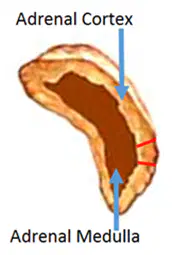
What hormones do the adrenal medulla glands release?
Epinephrine
Glucagon
Melatonin
Progesterone

In this condition insulin receptors won’t even take up glucose even when glucose is present, so blood glucose levels become elevated in a condition known as -
Diabetes Mellitus
insulin resistance
Hypoglycemia
Hypocalcemia

A hormone produced by the pancreas that promotes the uptake of glucose “sugar” in the body.
epinepherine
glucagon
insulin
dopamine

The monitoring the levels of various substances in body fluids such as blood. If an imbalance is detected, corrective actions are undertaken to help the body regain homeostasis. This is monitored 24/7.
humoral control
hormonal control
neural control
downregulated
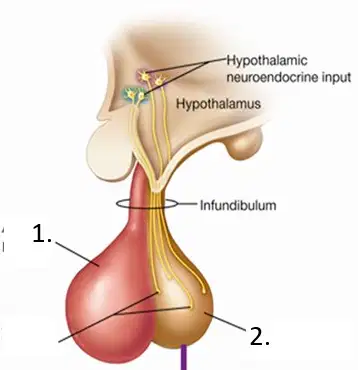
This gland (Area #1) releases 6 different hormones of (PRO, GH, ACTH, TSH, FSH, LH)
posterior pituitary
anterior pituitary
thyroid gland
adrenal cortex

The hormone secreting cells of the pancreas are called the
adrenal cortex
hypothalamus
ovaries
Islets of Langerhans

These types of hormones are protein or protein based
amino acid hormones
steroid hormones
hypothalmic nonreleasing hormones
hypothalmic releasing hormones

These type of hormones are fat based or lipid based.
amino acid hormones
steroid hormones
hypothalmic releasing hormones
hypothalmic nonreleasing hormones

What are the hormones called that are secreted by the anterior pituitary gland to regulate other endocrine glands?
adrenal hormones
tropic hormones
thyroid hormones
posterior pituitary
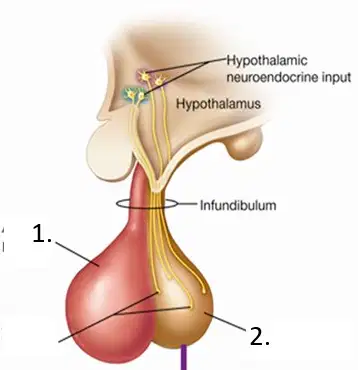
This gland Area #2 releases the hormones of ADH and oxytocin
posterior pituitary gland
anterior pituitary gland
thyroid gland
thymus gland

Just below the larynx or “Adam’s apple” at the base of the throat. It is a butterfly shaped gland. It secretes
Thyroid hormone and Calcitonin.
thymus gland
thyroid gland
adrenal medulla
pineal gland
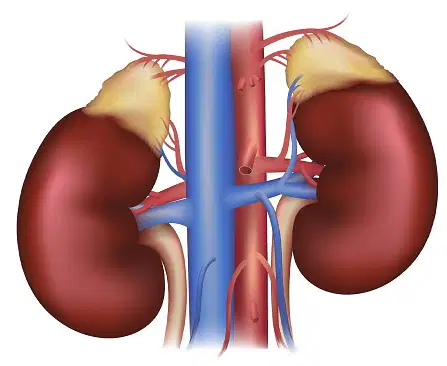
This type of control is how epinepherine and norepinepherine are released by the adrenal medulla
Neural control
Hormonal control
Humoral control
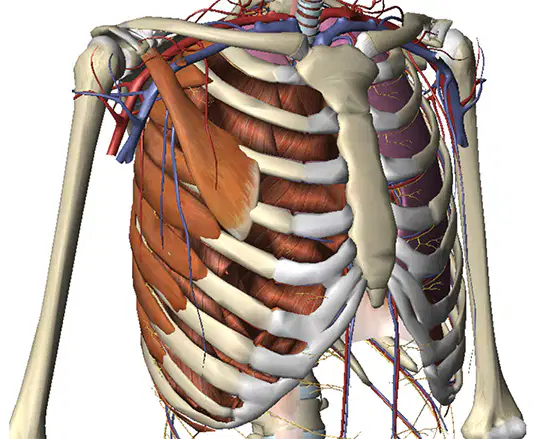
This hormone Acts directly on body tissue. Is responsible for growth & development of muscles, cartilage, and long bones of the body.
ACTH
Adrenocorticotropin
GH
Growth Hormone
LH
Leutinizing Hormone
PRO
Prolactin
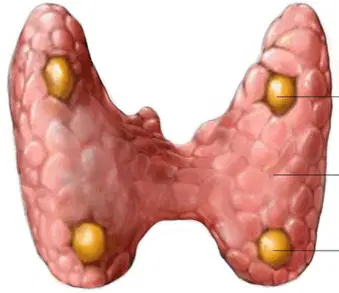
The yellow bumps on this gland produce a hormone that raises calcium levels in the blood.
Thyroid gland
Hypothalamus
Pineal gland
Parathyroid gland
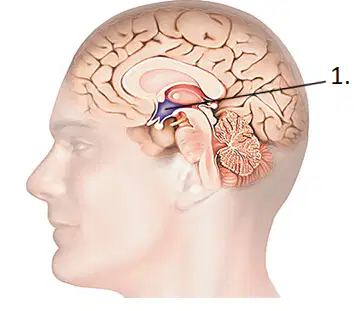
This structure is the most important gland in your body considering how much it controls other glands.
Pineal gland
Hypothalamus
Thalamus
Pituitary gland
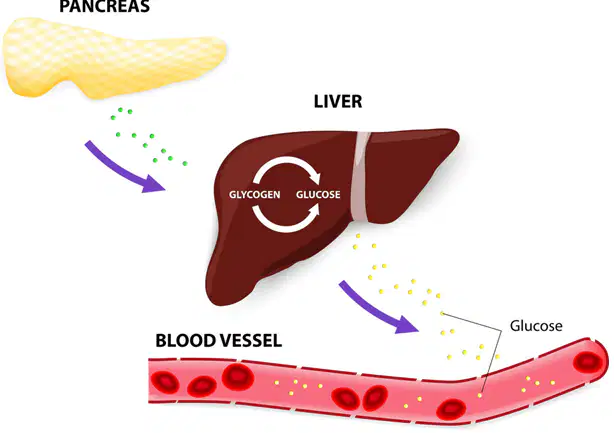
The pancreas releases this hormone to put sugar (gucose) back into the blood stream via the liver.
insulin
glucagon
glycogen
liver hormone

